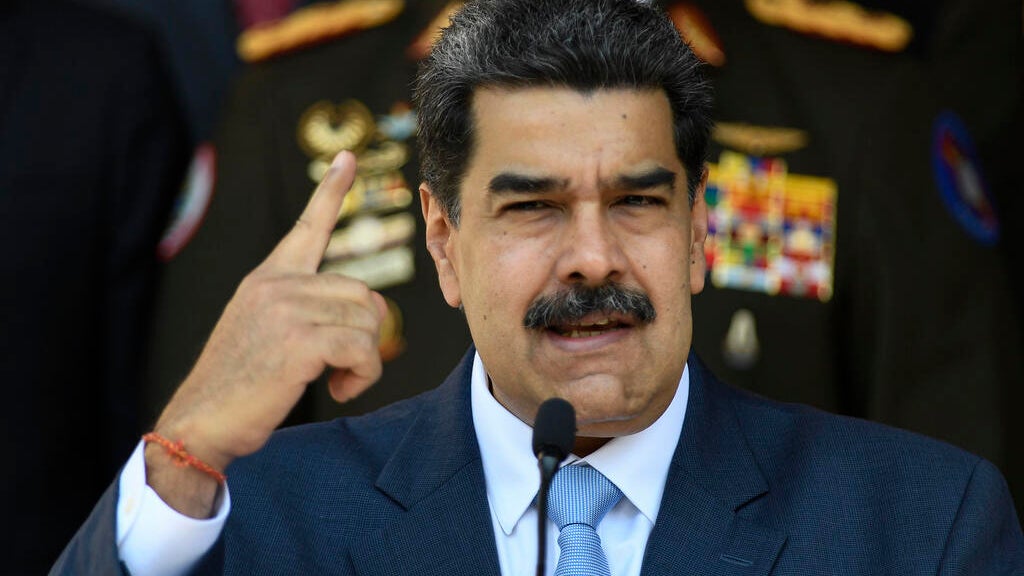
The recent capture of Venezuelan leader Nicolás Maduro has significant implications for U.S. policy towards Cuba. This operation not only removes a long-standing adversary to U.S. interests in Latin America but also reinforces the message to regional leaders regarding compliance with U.S. demands. Moreover, it enhances the current administration’s strategy of applying economic pressure on Cuba, aiming to destabilize its aging leadership.
U.S. Secretary of State Marco Rubio, whose family fled Cuba before the rise of Fidel Castro, views the Cuban regime as one of the most troubling in the world. While human rights and democracy are often sidelined in U.S. foreign policy, the prospect of dismantling the Cuban government presents an opportunity for the Trump administration to bolster its legacy—an achievement that has eluded previous presidents since Dwight Eisenhower.
Cuba currently faces a dire situation, as President Miguel Díaz-Canel grapples with the country’s worst crisis since the early 1990s. The ongoing COVID-19 pandemic, compounded by a six-decade-long U.S. trade embargo and recent sanctions, has severely crippled the Cuban economy. According to the island’s economy minister, the economy contracted by 10% since 2019, and tourism revenue has plummeted by 70% since 2018.
The economic downturn is evident, with even the Cuban government struggling to mask the reality. Foreign investment has dried up as companies weigh the risks of U.S. penalties against potential profits. This has diminished Cuba’s ability to secure essential imports, including energy. Historically reliant on Venezuelan oil, the cessation of this supply due to Maduro’s imprisonment has left Cuba in a precarious position. Alternatives are limited; sporadic shipments from Russia and humanitarian oil from Mexico are under pressure from the U.S. government.
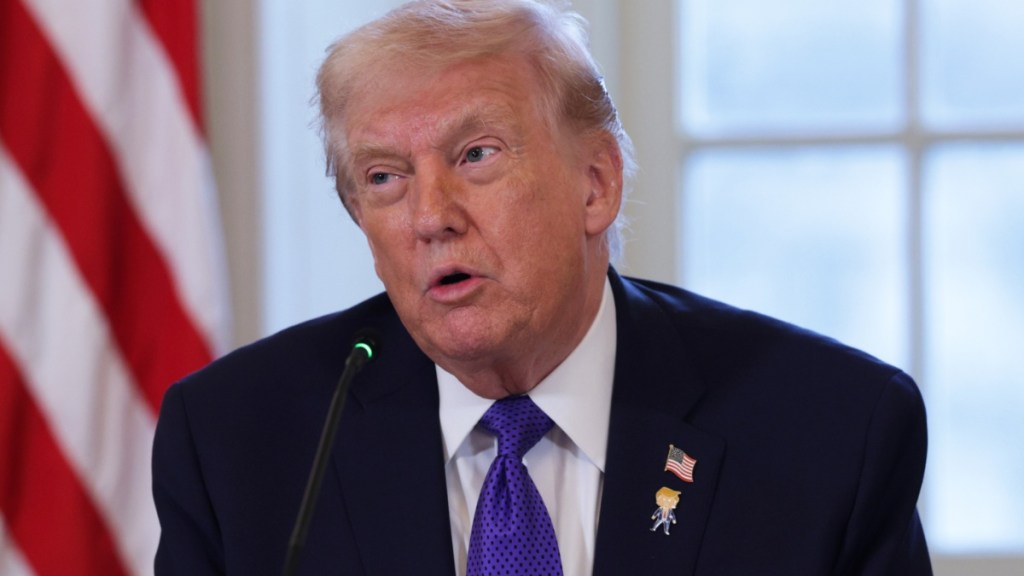
In an effort to tighten the economic noose further, President Trump recently signed an executive order instituting tariffs on any country supplying oil to Cuba. This creates a complex situation for Claudia Sheinbaum, the President of Mexico, who must navigate maintaining favorable relations with the U.S. while avoiding alienation from her party’s left-wing factions that advocate for Cuban support.
Trump’s statements regarding potential negotiations with Cuba have been vague. He indicated, “It doesn’t have to be a humanitarian crisis. I think they (Cuba) would come to us and want to make a deal.” The nature of such a deal remains unclear. U.S. legislation outlines a series of aspirational goals for Cuba, including the release of political prisoners, establishment of free elections, and ensuring personal freedoms. However, the Cuban government shows little inclination toward reforms that could undermine its authority.
The historical context suggests that normalizing relations between the U.S. and Cuba might be the most pragmatic approach. Cuba does not pose a national security threat to the United States and has at times cooperated on issues like migration and counter-narcotics. However, the expectation that the Trump administration would embrace this perspective is unlikely.
As the Cuban people continue to endure severe hardships, the long-term implications of U.S. policy could result in heightened suffering. The situation calls for a re-evaluation of strategies that prioritize humanitarian relief and constructive dialogue over punitive measures. The delicate balance of power and diplomacy in this region remains critical as the future of U.S.-Cuba relations hangs in the balance.