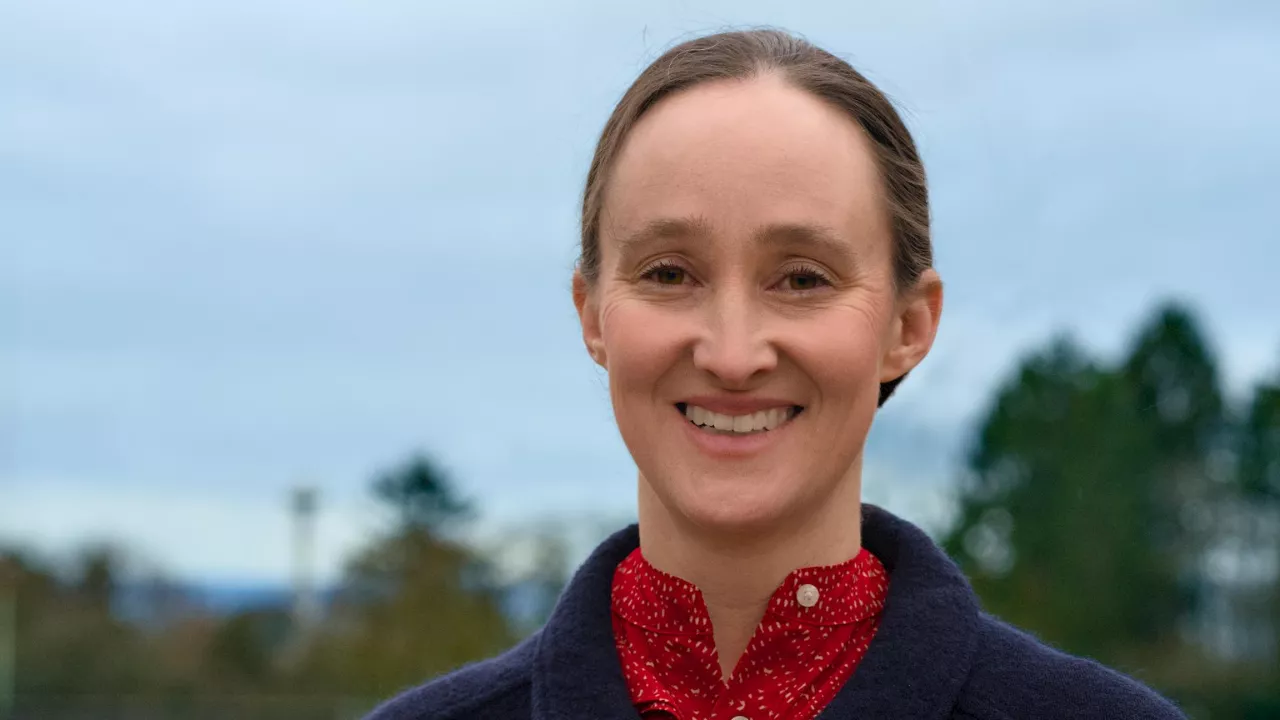
The complexities of navigating Social Security benefits after divorce can be overwhelming, particularly for those who dedicated years to raising children and supporting their spouse. Recently, Catherine Berresheim shared her experience while preparing for a potential legal battle with her ex-husband regarding alimony payments after their 30-year marriage ended.
During a visit to her local Social Security office, Berresheim learned crucial information that highlighted common misconceptions about Social Security eligibility for divorced individuals. Following her divorce at age 53, she faced daunting financial realities that many may not fully grasp.
Understanding Alimony and Social Security Benefits
Berresheim’s ex-husband, who is approaching retirement, has indicated intentions to contest his alimony obligation. Under the law, alimony can only be revoked under specific circumstances, including death or remarriage. Berresheim receives what is known as in futuro alimony, which is granted to those who experience economic disadvantages due to long-term marriages.
When she inquired about her Social Security benefits, a representative at the Social Security Administration explained that she would not be able to collect the full amount of her ex-husband’s benefits. Instead, she would be eligible to receive half of his earned benefits, which amounted to an additional $400 monthly, together with her own primary insurance amount of $1,200. This totals $1,600 per month, which translates to an annual income of just $19,200.
Despite her decades of homemaking, the reality of her financial situation left Berresheim feeling vulnerable. She expressed her concerns regarding her long-term health issues, including multiple sclerosis and hairy cell leukemia, which further complicate her financial outlook.
The Broader Implications for Women
Berresheim’s experience sheds light on a broader issue affecting many women, especially those who have been stay-at-home mothers. Research shows that women often face persistent income disparities throughout their lives, leading to economic challenges in retirement. A study highlighted that the poverty rate for divorced women aged 65 and older exceeds 19%, compared to 12% for married counterparts. This disparity underscores the need for systemic changes to support women who dedicate years to caregiving roles.
Reflecting on her mother’s struggles after divorce, Berresheim noted that her mother, who divorced in 1973, faced financial hardship due to the lack of enforcement for alimony and child support. Although Berresheim has since advanced her career, her past choices as a homemaker significantly impact her current financial stability.
To address these ongoing inequalities, experts suggest that policymakers consider implementing measures such as caregiver credits for years spent raising children. This could help bridge the financial gap for women who prioritize family over career during crucial years.
As Berresheim navigates her situation, she emphasizes the importance of proactive financial planning. She advises young mothers to consider their long-term financial security and encourage them not to rely solely on their spouses for support.
In light of the evolving landscape of divorce and Social Security benefits, it is essential for individuals to be informed about their rights and options. Understanding how these systems work can empower divorced individuals, particularly women, to secure a more stable financial future.
Berresheim’s story serves as a reminder of the importance of addressing gender disparities within social support systems and the significant role that informed decision-making plays in navigating life’s uncertainties.