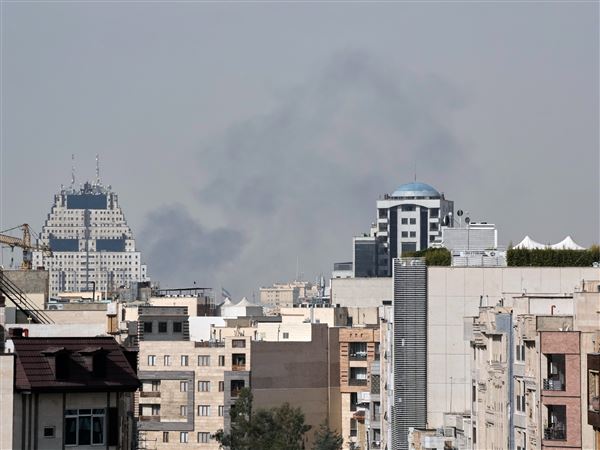
The United States and Israel initiated coordinated military strikes against Iran on March 16, 2024. The first attack targeted an area near the offices of Iran’s Supreme Leader, Ayatollah Ali Khamenei. This escalation marks a significant shift in the ongoing tensions in the region, with both nations openly engaging in military action.
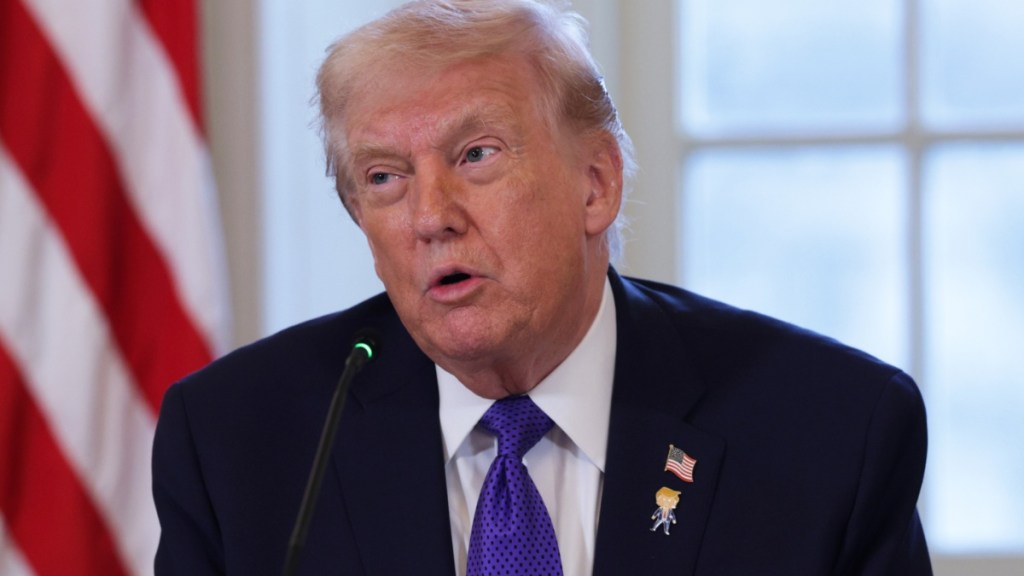
The strikes were confirmed by Donald Trump, who stated that the U.S. has begun “major combat operations” against Iranian targets. In a press conference, Trump emphasized the need to address what he described as Iran’s aggressive posture in the Middle East, insisting that the actions taken were necessary for national and regional security.
Details of the Attack
According to reports from the Pentagon, the initial strike involved aerial bombardments aimed at military installations associated with the Iranian Revolutionary Guard. These forces have been linked to various activities seen as destabilizing by both U.S. and Israeli intelligence. The strikes are expected to continue as part of a broader strategy to disrupt Iranian military capabilities.
Military analysts suggest that the collaboration between the U.S. and Israel reflects deepening security ties amid growing concerns about Iran’s nuclear program and its influence across the region. The attacks have drawn sharp criticism from Iranian officials, who warned of severe repercussions.
Iran’s Foreign Ministry condemned the strikes as an “act of aggression” and vowed to respond decisively. The ministry’s spokesperson stated that the country would take all necessary measures to defend its sovereignty.
Global Reaction
International reactions have been swift, with various countries calling for restraint. The United Nations urged both parties to de-escalate tensions, highlighting the potential for broader conflict in an already volatile region.
The strikes have also raised concerns among global leaders about the implications for international security and energy markets. Iran is a key player in global oil supply, and any escalation in conflict could lead to disruptions that might affect prices worldwide.
As military operations continue, analysts will be watching closely for further developments. The situation remains fluid, with potential ramifications not only for the Middle East but also for U.S.-Iran relations and global stability.
The coming days will be critical in assessing the effectiveness of these military actions and their impact on regional dynamics.