A recent survey by the Harvard Institute of Politics reveals a stark reality: young Americans are deeply disillusioned with their government and corporate institutions. The findings indicate that a significant portion of those under 30 feel their future is uncertain, with **64 percent** believing the current system is either in trouble or has completely failed. This sentiment is echoed in the survey’s results, which show that **57 percent** of respondents feel the country is on the wrong track.
The survey results raise critical questions about how the United States transitioned from a period of post-war prosperity to the dissatisfaction expressed by today’s youth. Pollster **John Della Volpe** highlighted the urgency of understanding this generational discontent, suggesting that historical decisions have far-reaching implications.
The **1970s** stand out as a pivotal decade in this shift. This era witnessed the end of the Vietnam War, the resignation of President **Richard Nixon**, and the emergence of a new political narrative. The modern-day **Republican Party** began to take shape during this time, fundamentally altering the nation’s socio-economic landscape. For decades prior, high tax rates on top incomes—up to **91 percent**—and a robust corporate tax structure facilitated a thriving middle class. Programs initiated by leaders like **Franklin Roosevelt** and **Dwight Eisenhower** established a framework for public welfare, education, and infrastructure that allowed for economic growth and opportunity.
The seeds of today’s discontent were sown with the **Powell Memo** in **1971**, authored by lawyer **Lewis Powell**. This document advocated for a concerted effort by wealthy individuals and corporations to gain influence over the political system. The subsequent years saw the rise of a conservative media landscape, as well as significant changes in economic policy, particularly following the election of **Ronald Reagan** in **1980**.
Reagan’s policies marked the beginning of the so-called **Reagan Revolution**, characterized by significant tax cuts for the wealthy and deregulation across various sectors. Proponents argued that these changes would stimulate the economy through a trickle-down effect. However, the reality has been starkly different; over the past **44 years**, wealth and income inequality have surged, resulting in a **$50 trillion** transfer from the bottom **90 percent** of earners to the top **1 percent**.
The middle class, once representing **65 percent** of the population, has dwindled to less than half. Many young Americans now find that it takes two full-time salaries to maintain a lifestyle that one income could support in **1980**. The consequences of these policies extend beyond economics; they have permeated social and educational systems as well.
Reagan-era policies also encouraged deregulation of firearms, leading to increased gun violence, including school shootings. The belief that a more armed society would lead to a reduction in crime has proven misguided, resulting in a tragic reality where gun violence is the leading cause of death among American children.
Education policies have shifted dramatically, with a reduction in funding for public universities leading to skyrocketing student debt, now totaling approximately **$2 trillion**. This debt burden has stifled the ability of young Americans to invest in their futures, such as buying homes or starting families.
Furthermore, the effects of trade agreements like **NAFTA** and changes in labor policy have resulted in the loss of millions of manufacturing jobs, pushing many American factories overseas. The promise of job creation and economic growth has not materialized, with many workers left behind in the wake of corporate globalization.
The environmental policies championed by the Republican Party have also drawn criticism. Denial of climate change has resulted in delayed action on pressing environmental issues, exacerbating the global climate crisis. The financial interests of the fossil fuel industry have often taken precedence over the health of the planet, putting future generations at risk.
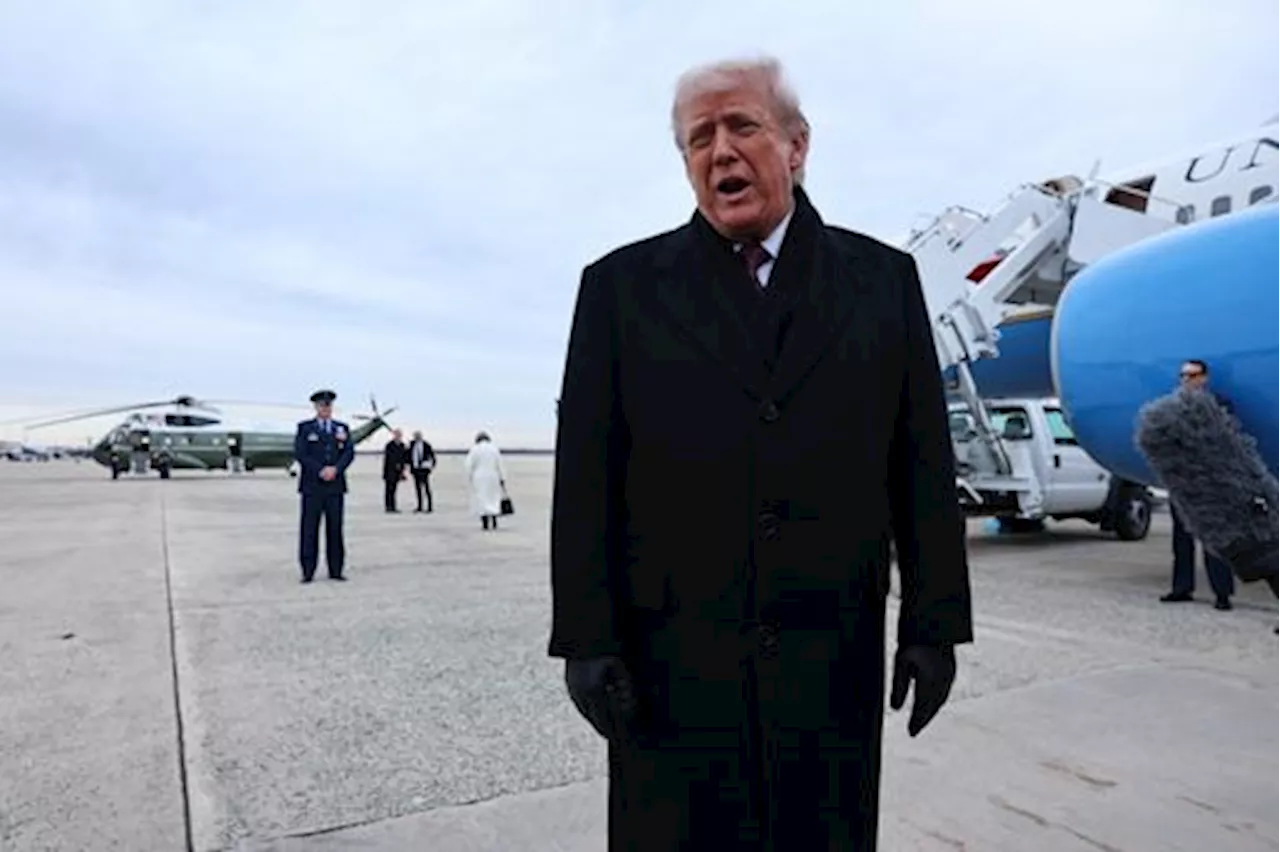
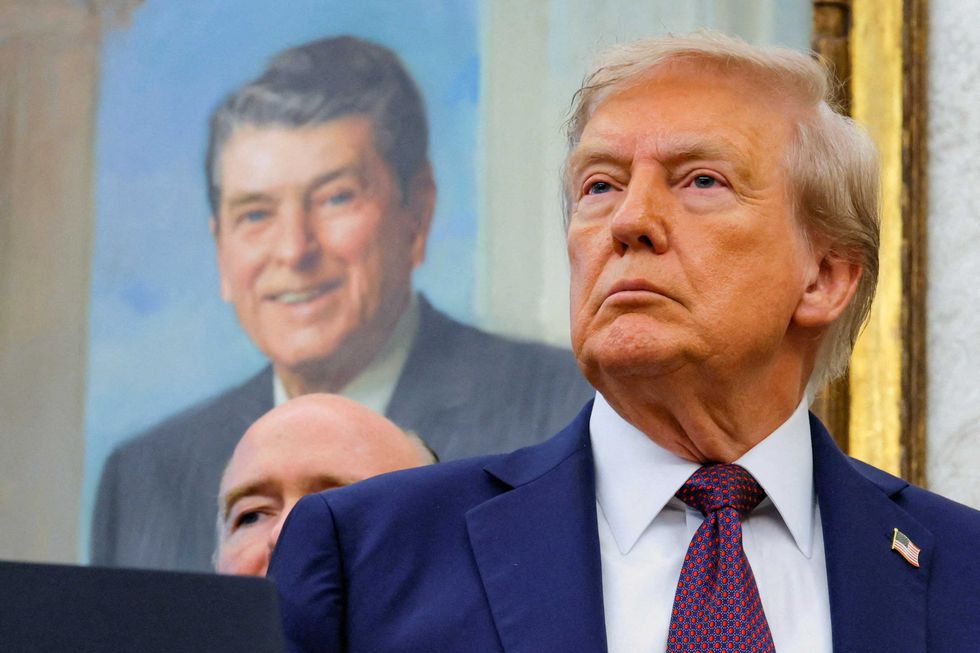
As young Americans confront these realities, their frustration towards traditional political narratives is palpable. They view the current political climate as one that prioritizes the interests of the wealthy and powerful over the needs of ordinary citizens. The rhetoric of politicians, including former President **Donald Trump**, promising a return to a bygone era, is met with skepticism by a generation that feels abandoned by the very institutions designed to support them.
The challenges facing young Americans are compounded by the growing influence of dark money in politics, particularly following the **Citizens United** decision, which equated money with free speech. This shift has allowed wealthy individuals and corporations to exert unprecedented control over the political landscape, raising concerns about the integrity of democratic processes.
In summary, the disillusionment expressed by young Americans is a reflection of decades of policy decisions and political narratives that have ultimately failed to deliver on their promises. As they advocate for change, a new, progressive vision for America is emerging, one that seeks to address the systemic issues that have led to their current predicament. The journey towards a more equitable and just society continues, as young people aim to reclaim their future and reshape the political landscape.