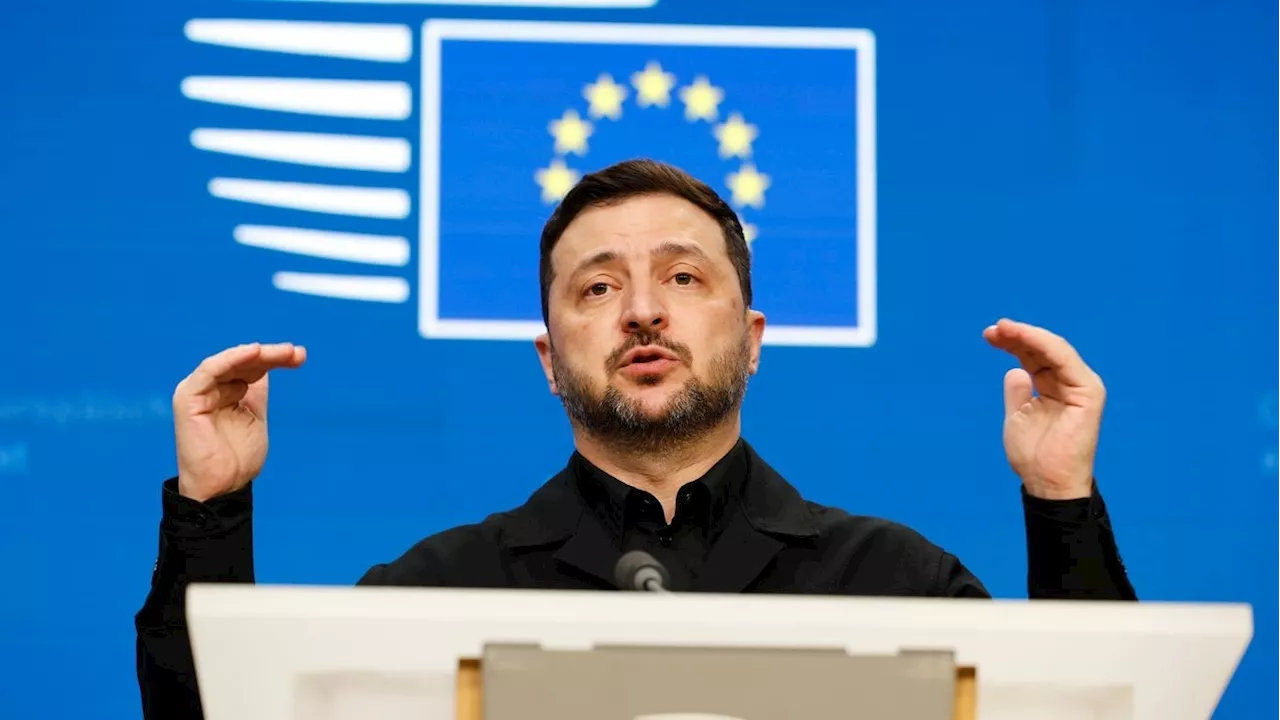
Ukrainian President Volodymyr Zelenskyy met with former U.S. President Donald Trump at Mar-a-Lago to discuss critical issues facing Ukraine, including security guarantees, economic cooperation, and ongoing territorial disputes. This meeting comes in the wake of intensified Russian attacks, particularly following a recent wave of strikes that have targeted civilian areas in Ukraine.
Zelenskyy’s arrival in Florida on December 18, 2025 set the stage for talks aimed at establishing a path toward peace. The discussions are expected to focus on a proposed 20-point peace framework, which is reported to be approximately 90% complete. Under this proposal, the United States would provide Ukraine with security guarantees akin to those extended to NATO members. Zelenskyy has indicated a willingness to reconsider Ukraine’s NATO ambitions in exchange for these assurances.
The backdrop of this meeting is marked by a series of violent Russian assaults. Recently, guided bombs struck residential areas in the eastern city of Sloviansk, resulting in one fatality and injuries to three individuals, according to local officials. This attack followed a significant strike on Kyiv that left at least one person dead and 27 others wounded.
In preparation for his meeting with Trump, Zelenskyy engaged in discussions with British Prime Minister Keir Starmer regarding the deteriorating battlefield conditions and the repercussions of the recent Russian offensives. Additionally, he met with Canadian Prime Minister Mark Carney, who announced further economic assistance for Ukraine’s reconstruction efforts while condemning Russia’s latest military actions.
Zelenskyy emphasized the urgency for robust international support at the negotiating table, stating, “Ukraine is ready to do whatever it takes to stop this war.” His statements reflect a commitment to finding a resolution, despite the complexities of the situation.
The proposed peace framework includes provisions that could allow for a cessation of hostilities along the current front lines. Although Trump has made it clear that ending the war is a priority should he return to office, he has also acknowledged the difficulties inherent in brokering a deal. Notably, he has suggested that halting fighting could enable Russia to retain control over territories it has seized.
Russia’s stance remains firm, insisting on international recognition of its occupied territories, particularly Crimea, and demanding that Ukraine abandon its NATO aspirations. While Kremlin officials have indicated that talks with Washington are ongoing, they caution that reaching a satisfactory compromise may require time.
As the international community watches closely, the outcome of the Zelenskyy-Trump meeting could have significant implications not only for Ukraine but also for broader geopolitical dynamics in the region. The stakes are high, with the potential for both progress toward peace and the continued threat of escalation in the conflict.