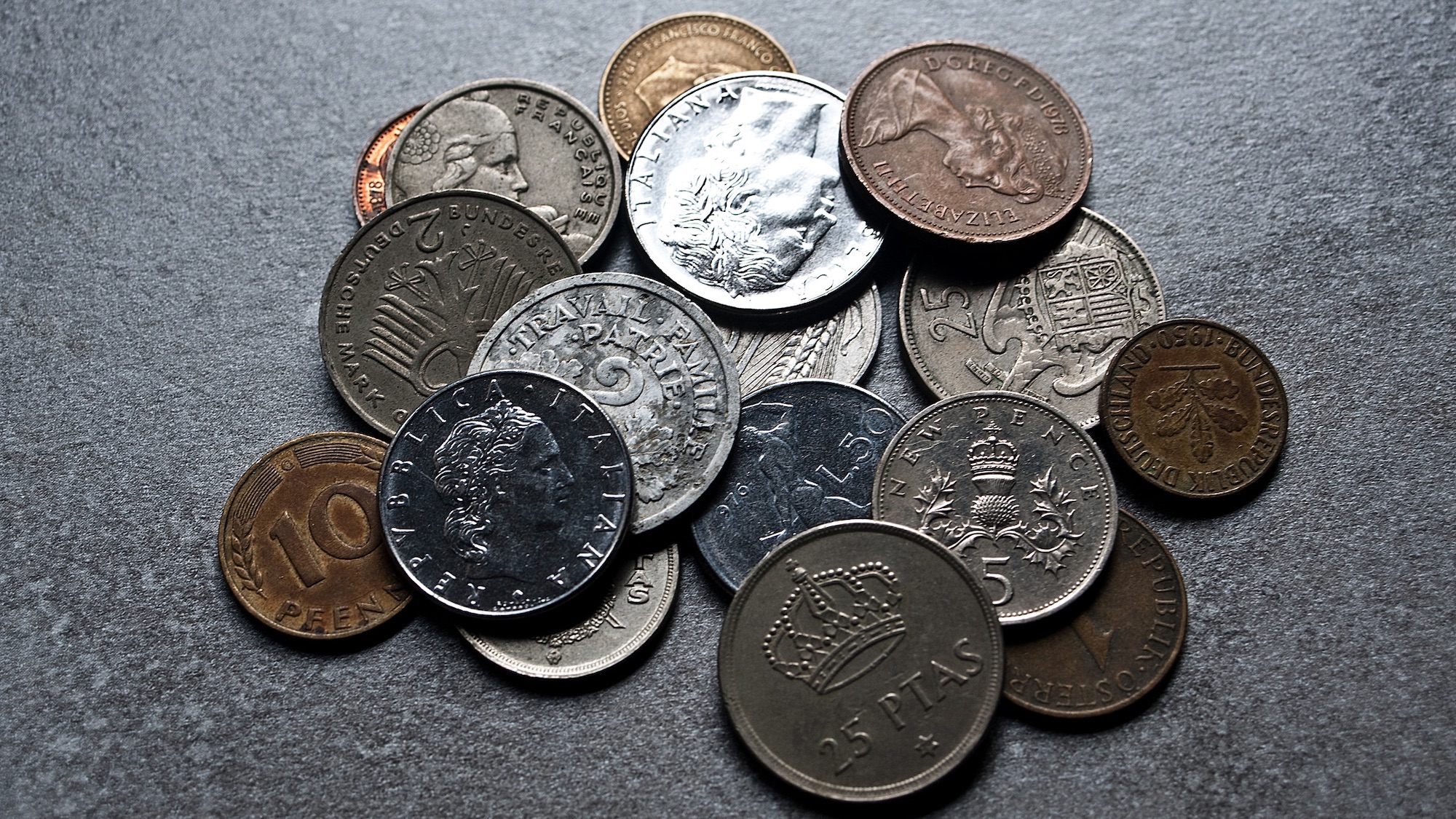
The Federal Reserve has announced plans to officially begin phasing out the penny, marking a significant change in currency usage in the United States. As this small copper coin fades from circulation, many might find themselves reflecting on its history and perhaps even inspired to explore the world of coin collecting. This pursuit, known as numismatics, offers a fascinating glimpse into the past, uncovering stories embedded in each coin.
To guide those interested in starting their own collections, Donn Pearlman, a former journalist and spokesperson for the Professional Numismatists Guild, shares his insights. Pearlman’s own journey began at the age of eight when he received a “mint state, shiny red Lincoln cent.” After returning to the hobby later in life, he emphasizes that coin collecting can be both a rewarding experience and an engaging way to connect with history.
Start Simple
Pearlman advises new collectors to begin with coins that are readily available in circulation. He stresses the importance of understanding what makes certain coins valuable. “There’s an old saying in numismatics: ‘Buy the book before the coin,’” he explains. For those focused on United States coins, he recommends obtaining the latest edition of A Guide Book of United States Coins, commonly referred to as “The Red Book.” Similar resources exist for coins from other countries.
New collectors should also choose coins that resonate personally. “Do you have an interest in a historical event or figure depicted on the coin?” Pearlman asks. “You might want to create a type set, featuring one example of each denomination from a particular era.” Collecting can start with minimal investment; many designs, dates, and mintmarks can be found in circulation for less than a dollar.
Attending coin shows is another valuable way to gain insights. Pearlman encourages newcomers to ask questions and learn the terminology, which is essential for distinguishing between various coins.
Old Doesn’t Always Equal Valuable
One common misconception among novice collectors is the belief that age automatically equates to value. Pearlman points out that many ancient Roman bronze coins are priced at less than $50, while a rare 1913 U.S. Liberty Head nickel can command millions due to its limited supply. The value of a coin is largely determined by its condition and rarity. A well-preserved coin can significantly increase in worth, while a worn example may only fetch a small amount.
Handle and Store with Care
As collectors build their collections, proper handling and storage become critical. Pearlman has observed that some individuals store their coins in home safes or bank safe deposit boxes, while others opt for professional grading services. Coins graded by accredited institutions, such as the Professional Coin Grading Service, are placed in tamper-resistant holders, protecting them from environmental damage. He warns against using storage materials made of PVC, as they can harm coins over time. When handling coins, it is best to hold them by the edges to avoid leaving fingerprints.
Avoiding Scams
Pearlman also emphasizes the importance of trust when purchasing coins. “If you don’t know coins, then you better know your coin dealer,” he advises. While technology has made it easier to research coins, it has also opened the door for scams involving counterfeit and altered coins. He recommends working only with dealers who are members of recognized professional organizations, such as the American Numismatic Association, which adheres to a strict code of ethics. Checking a dealer’s rating with local consumer protection agencies can also help ensure a positive experience.
As the penny becomes a relic of the past, individuals may find a new passion in coin collecting. With the right guidance and a genuine interest, anyone can embark on this rewarding journey, uncovering the rich history that coins represent.