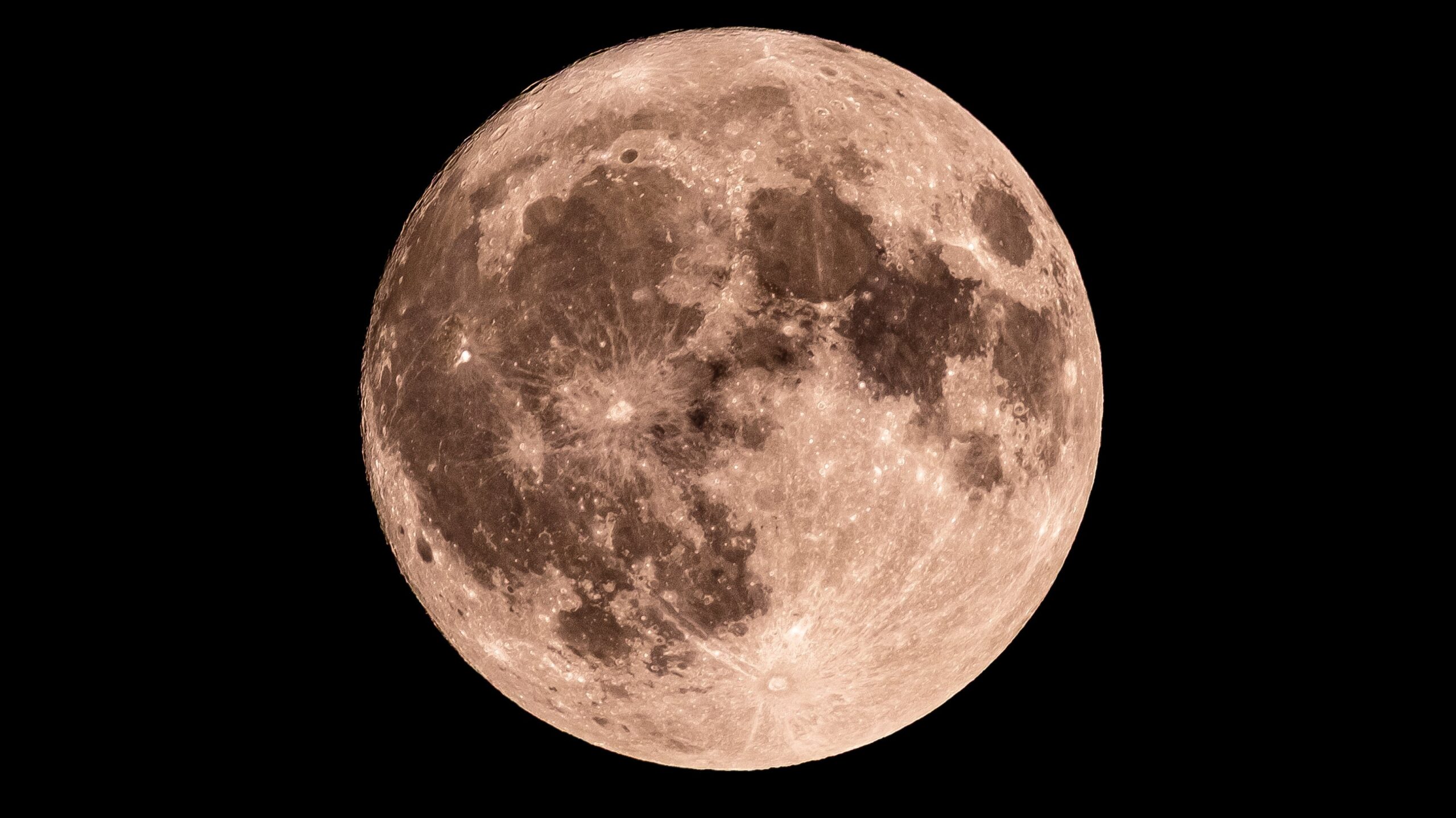
As of January 4, 2024, the Moon is in the Waning Gibbous phase, with approximately 98.6% of its surface illuminated. Following the recent Full Moon, which occurred a few days prior, the Moon will gradually decrease in brightness as it approaches the next New Moon. This transition marks the start of the waning phase in the lunar cycle.
Understanding the Lunar Cycle
The lunar cycle, which takes about 29.5 days to complete, is a fascinating phenomenon that has captivated observers for centuries. According to NASA, the Moon’s phases result from its orbit around the Earth and the varying angles at which sunlight hits its surface. As the Moon travels through its cycle, it transitions through eight distinct phases.
The phases begin with the New Moon, when the Moon is positioned between the Earth and the Sun, rendering it nearly invisible to observers on the ground. Following this, the Waxing Crescent phase shows a small sliver of light emerging on the right side. The cycle continues with the First Quarter, which displays half of the Moon illuminated, followed by the Waxing Gibbous phase, where more than half is lit but not completely full.
When the Moon reaches its peak brightness, it is known as the Full Moon. After this point, the Moon begins to wane, starting with the Waning Gibbous phase, where it gradually loses illumination from the right side. This is followed by the Third Quarter, or Last Quarter, where again half of the Moon is visible, but this time the left side is lit. The cycle concludes with the Waning Crescent, which leaves only a thin sliver of light visible before transitioning back into the New Moon phase.
Upcoming Lunar Events
For those interested in tracking the Moon’s phases, resources such as The Sky Live offer real-time updates and detailed information on lunar visibility. As the Moon continues its journey through the sky, it remains a subject of fascination and scientific inquiry, reflecting the dynamic nature of our universe.