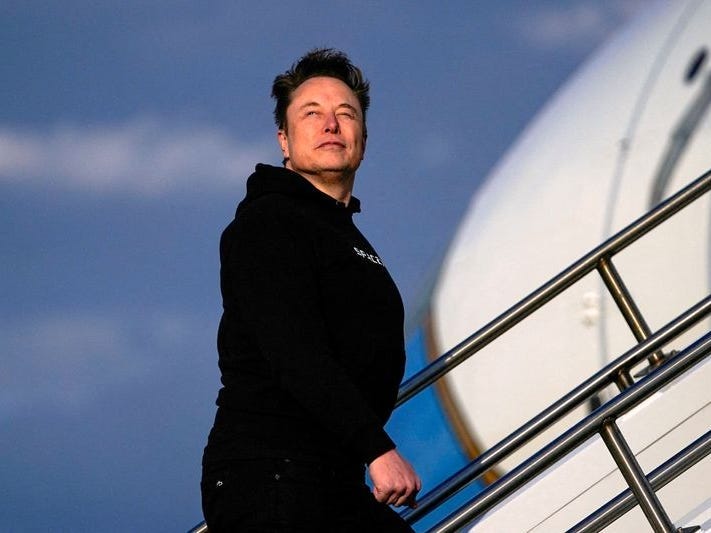
Elon Musk recently revealed that he underwent an MRI and uploaded the results to his AI chatbot, Grok. During an interview with podcaster Peter Diamandis, Musk stated that both Grok and his medical professionals found no issues with the scans. This incident emphasizes a growing trend among individuals who are increasingly turning to artificial intelligence for medical insights.
Musk disclosed his MRI experience while discussing advancements in healthcare and longevity on the “Moonshots” podcast. “I did an MRI recently and submitted it to Grok,” he said. “None of the doctors nor Grok found anything.” The purpose of the MRI remains undisclosed, yet Musk’s conversation with Diamandis, who is also a co-founder of the XPrize, highlights the intersection of AI technology and health.
Silicon Valley billionaires, including Sam Altman and Peter Thiel, are investing heavily in research aimed at combating aging and enhancing human lifespan. Dario Amodei, CEO of Anthropic, recently claimed that AI could potentially double life expectancy by 2030. Musk’s advocacy for AI in medical diagnostics is part of this wider narrative, as he encourages individuals to explore AI tools for personal health management.
In a recent social media post, Musk referenced a case where a Norwegian man credited Grok with saving his life. The man reported on Reddit that the AI chatbot prompted him to seek further medical attention, which resulted in a CT scan revealing an imminent appendix rupture. Musk urged others to consider using Grok for similar purposes, sharing a quote-tweet from his appearance on a February 2025 episode of Joe Rogan’s podcast, where he stated that AI would be “very good” at aiding medical diagnoses.
While Musk is optimistic about the future of longevity, he cautioned against the concept of true immortality. He described living indefinitely as “one of the worst curses you could possibly give anyone.” Instead, he believes that the challenge of extending life or achieving “semi-mortality” is manageable. “I’ve long thought that longevity or semi-mortality is an extremely solvable problem,” Musk remarked, noting the synchronized nature of aging within the human body.
Diamandis suggested a collaboration with Fountain Life, a longevity-focused company he co-founded, which utilizes AI-guided diagnostics to assess health markers. The company’s approach aims to prevent avoidable health issues, which is a sentiment that resonates with Musk. Diamandis explained that they collect extensive data about individuals, including full genomic information and medical imaging, to provide comprehensive health insights.
Reflecting on the importance of timely medical intervention, Diamandis expressed a desire to prevent Musk from experiencing a fate similar to that of Steve Jobs. The renowned Apple co-founder passed away in 2011 after delaying surgery for pancreatic cancer, a decision he later regretted.
As the dialogue around AI and healthcare evolves, Musk’s recent MRI experience exemplifies a growing reliance on technology for personal health decisions. His engagement with Grok and encouragement for others to follow suit underscores the potential of AI as an ally in navigating medical challenges.