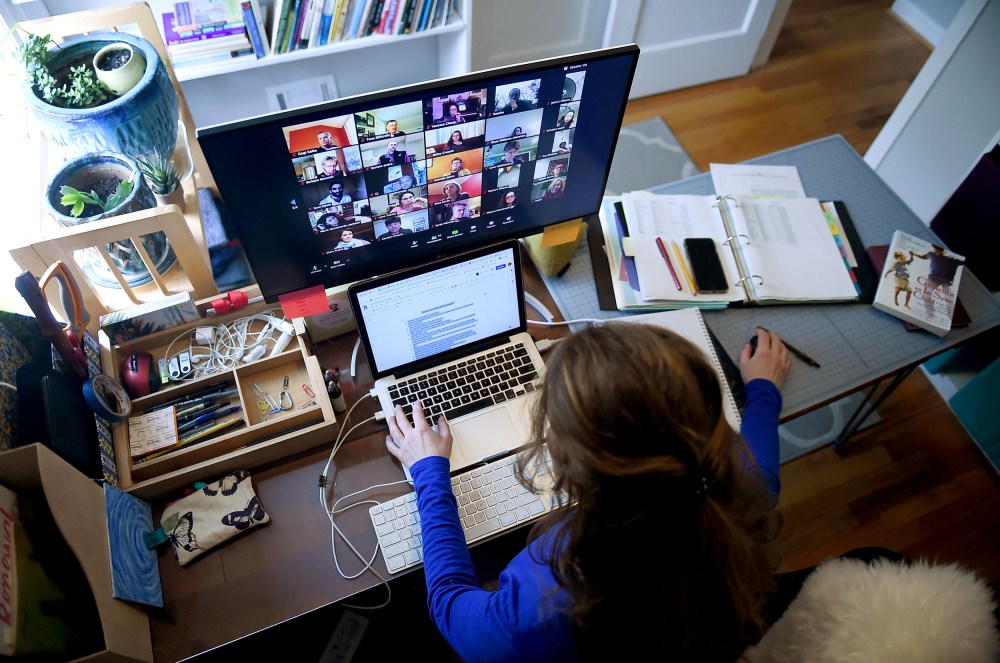
As remote work becomes increasingly common, many employees, particularly women, are grappling with feelings of invisibility in their roles. The Covid-19 pandemic has exacerbated job losses, leading to economic insecurity for many families. With a significant number of women leaving the workforce to manage household responsibilities, those who remain may feel inclined to adopt a low profile. Yet, this moment presents an opportunity for workers to assert their presence and value in the workplace.
Addressing the Challenges of Remote Work
The Covid-19 pandemic has disproportionately affected women, with many facing layoffs or choosing to leave their jobs to care for children. This shift has created a challenging landscape for those who continue to work remotely. The urge to maintain a low profile during uncertain times is understandable, but it may not be the best approach. Employers are now more open to new ideas and contributions, recognizing the benefits of flexible schedules and remote work arrangements.
A proactive approach can help individuals stand out in this evolving work environment. Here are four strategies to enhance visibility and engagement while working remotely.
1. Embrace Authenticity in Your Work Environment
Rather than conforming to outdated professional norms, workers should feel encouraged to showcase their authentic selves. The majority of the American workforce—approximately 70 percent—is now able to telework, which has changed traditional workplace dynamics. By sharing personal aspects of their lives, such as family moments or home office setups, employees can foster stronger connections with colleagues.
Video conferencing has become a valuable tool for creating a sense of camaraderie among remote teams. Instead of striving for an artificial standard of professionalism, workers should embrace the blend of work and personal life. If privacy is a concern, consider using virtual backgrounds that reflect personal interests or share anecdotes that highlight the challenges faced during the pandemic.
2. Foster Collaboration Across Teams
The lack of spontaneous interactions in remote work can hinder collaboration. To counter this, employees can initiate opportunities for cross-departmental conversations. For instance, hosting a virtual “open house” meeting allows teams from different areas to come together without a strict agenda. Additionally, reaching out for informal chats over video calls or instant messaging can lead to valuable exchanges and idea-sharing.
This collaborative spirit is vital, especially for new hires in all-remote environments. Organizations should prioritize creating welcoming virtual spaces to help newcomers build connections and integrate into the company culture.
3. Ensure Your Voice is Heard
Despite the shift to virtual meetings, entrenched biases can still silence women’s voices. Interruptions and the tendency for male colleagues to take credit for ideas can persist. To combat this, employees should utilize all available tools—such as chat functions or hand-raising features during video calls—to express their thoughts. Following up with emails can also reinforce contributions made in meetings.
Meeting organizers play a crucial role in creating inclusive environments. Encouraging participants to submit ideas in advance can help ensure that everyone’s input is recognized.
4. Set Boundaries for Work Responsibilities
While taking on additional tasks may seem like a way to gain visibility, it can lead to burnout and decreased effectiveness. Employees should communicate openly with their supervisors about their roles and how expanding responsibilities can benefit both parties. By prioritizing high-impact tasks, workers can demonstrate their value and encourage organizations to invest in their development.
Kim Churches, CEO of the American Association of University Women, emphasizes the importance of advocating for oneself in the workplace. As organizations adapt to new realities, employees should seize the opportunity to highlight their contributions and assert their presence.
In conclusion, as remote work continues to shape the future of employment, individuals should embrace their authenticity, foster collaboration, and ensure their voices are heard. By setting clear boundaries and advocating for their needs, workers can navigate this new landscape with confidence and visibility.