Presidential libraries serve as significant repositories of history, but they also represent substantial financial ventures. The United States currently hosts four living former presidents, each with distinct public personas. Among them, George W. Bush stands out for his relatively low profile in post-presidential life. Known for his affable demeanor during his time in office, Bush largely avoids the limelight, engaging primarily in official events and public appearances with figures like Michelle Obama.
While Bush’s subdued post-presidency contrasts sharply with the more visible roles of Bill Clinton and Barack Obama, all three presidents share the commonality of having established presidential libraries. These institutions serve a dual purpose, as highlighted in a cover story by Cheryl Hall. They not only preserve the legacies of their respective administrations but also function as lucrative projects that intertwine real estate and philanthropic fundraising.
The financial aspects of presidential libraries cannot be overlooked. According to the National Taxpayer’s Union Foundation, the annual maintenance costs for the extensive network of presidential libraries exceed $100 million. This figure underscores the significant financial commitment required to sustain these historical sites.
A key player in this landscape is Shilo Brooks, the newly appointed CEO of the George W. Bush Presidential Center. Located on a sprawling 23-acre campus at Southern Methodist University, Brooks aims to ensure that the center evolves beyond a mere monument to the past. He notes that the total fundraising efforts for the center have reached around $1 billion, encompassing initial construction costs, endowment drives, and ongoing contributions.
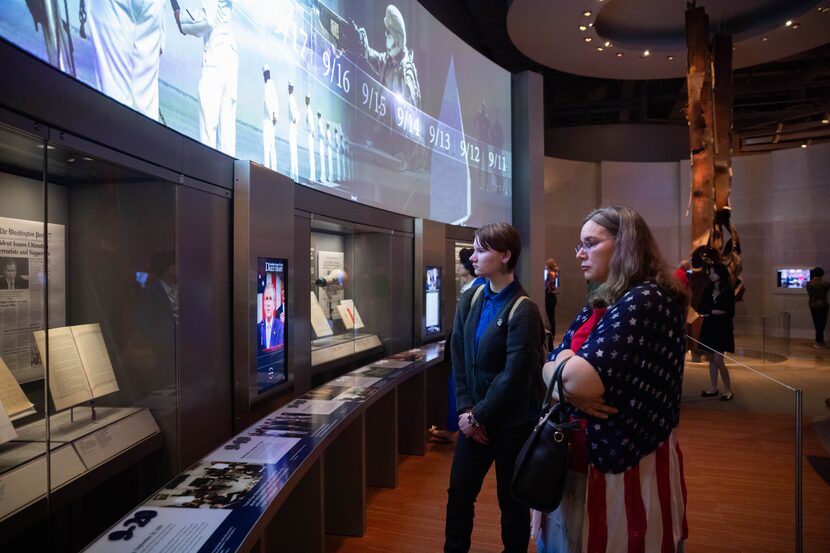
Despite these substantial funds, Brooks emphasizes the ongoing need for financial support. “We still need to raise $14 million each year for our annual budget,” he stated. “Our endowment helps a great deal, but it doesn’t cover everything. We still need people to give.” These donations are vital for maintaining the center’s operations, which include interactive exhibits that reflect key moments of the Bush presidency, such as the events of September 11 and the response to Hurricane Katrina.
One of the most notable initiatives associated with Bush’s legacy is the PEPFAR initiative, launched during his presidency. This ambitious program, which aimed to combat the AIDS epidemic in Africa, was initially budgeted at $15 billion over five years and has since expended over $125 billion. This initiative garnered acclaim from both supporters and critics alike, marking a significant achievement in international health efforts.
In addition to his political endeavors, George W. Bush has taken up painting, a pursuit that has surprised many. Brooks remarked, “Nobody would have thought that he would have become a painter. But he did. And he’s a darn good one.” The artistic expression may eventually become a notable aspect of Bush’s legacy, further enriching the narrative of his post-presidency.
Presidential libraries thus embody more than mere brick-and-mortar structures. They represent complex intersections of history, finance, and public engagement. As these institutions continue to evolve, their impact on presidential legacies and the broader cultural landscape remains significant.