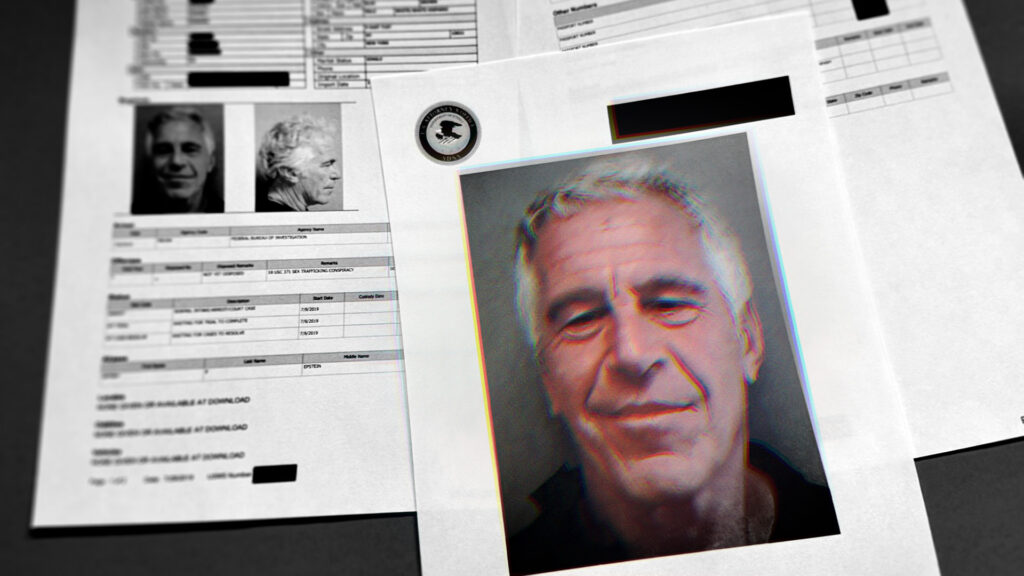
In the summer of 2013, a significant controversy erupted within the lab of renowned geneticist George Church at Harvard Medical School over the handling of a tissue sample belonging to Jeffrey Epstein. This incident raised serious ethical questions about the prioritization of research samples and the implications of associations with notorious figures.
The lab, which contains various fridges for storing biological samples, was home to tubes filled with human blood and saliva donated by participants in the Personal Genome Project (PGP). These samples are typically sequenced only when funding becomes available, often leading to long waits. However, the request to expedite the sequencing of Epstein’s sample, which had been in storage for just a few weeks, alarmed research director Mad Ball.
Ethical Concerns Emerge
Ball’s immediate reaction to the unusual request prompted them to investigate the identity linked to the sample. Upon discovering Epstein’s name, Ball was taken aback by the implications. News reports detailed numerous allegations against Epstein, including accusations of sexual assault from multiple individuals and his controversial legal history, which included a disproportionately lenient charge for soliciting prostitution instead of facing more severe allegations.
“It was such a shock to me, I didn’t even have words,” Ball said in an interview. “It looked like a quid pro quo sort of thing… But this was a rich, bad person, and it looked awful.”
Ball’s concerns set off a crisis within Church’s lab, highlighting the ethical dilemmas surrounding the use of biological materials from individuals with tarnished reputations. Despite the initial push to prioritize Epstein’s sample, internal opposition ultimately succeeded in halting any special treatment.
Connections to Epstein Uncovered
The connections between Church and Epstein, which extend back more than two decades, have been the subject of public scrutiny for years. However, the full extent of Epstein’s involvement in the PGP and the ensuing turmoil among staff had not been previously reported. Interviews with lab members and internal communications show that Church learned more about Epstein’s controversial activities than he has publicly acknowledged.
In light of new evidence released by the Department of Justice, which revealed Church received funding from Epstein or his associates in the years following the uproar, these revelations gain even more significance. The incident not only raises questions about the ethical responsibilities of researchers in handling sensitive biological data but also underscores the potential ramifications of collaborating with individuals accused of serious crimes.
The fallout from this incident serves as a cautionary tale about the intersection of science, ethics, and personal conduct. As institutions navigate complex relationships with influential figures, maintaining integrity and transparency in research practices remains paramount.