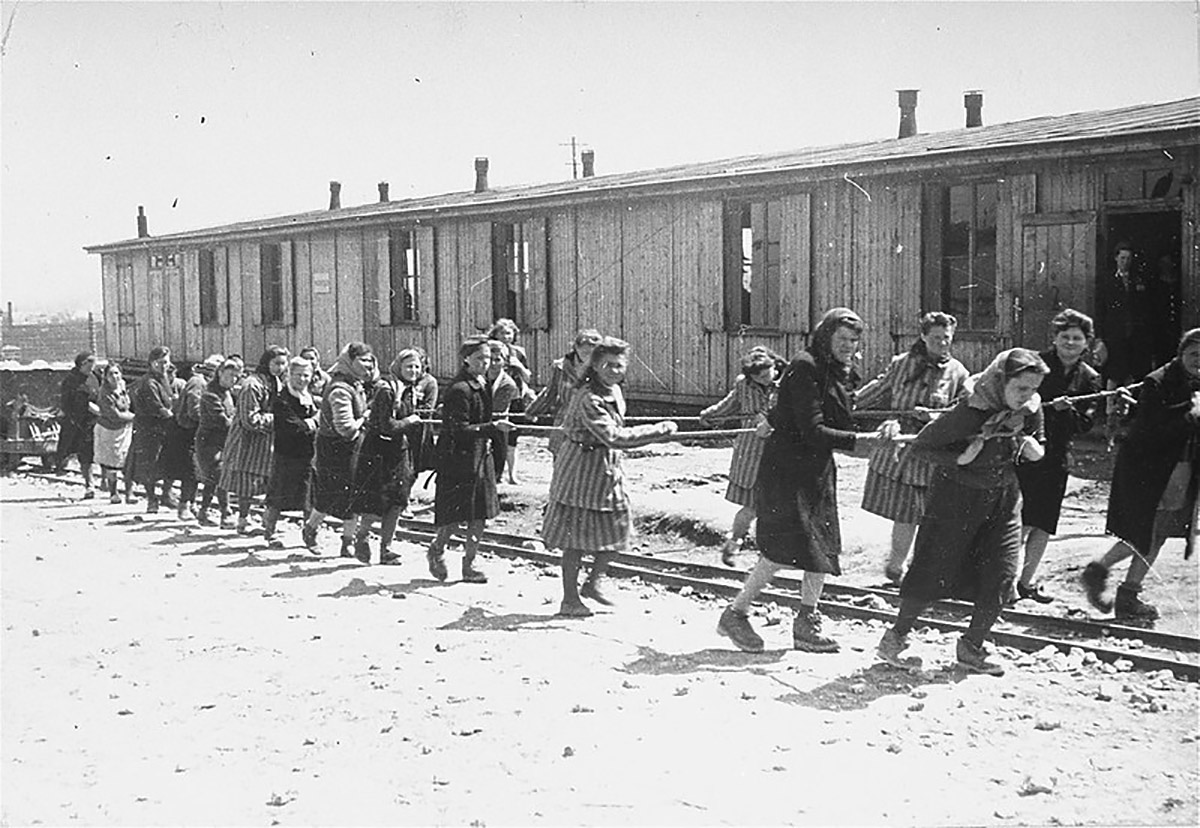
The United States Holocaust Memorial Museum has partnered with Johns Hopkins University Press to create the first searchable database documenting the vast network of Nazi camps and ghettos, now known to encompass approximately 10,000 locations. This initiative, which includes the Encyclopedia of Camps and Ghettos, 1933-1945, offers a comprehensive digital resource for historians, survivors, and the public seeking to understand this dark chapter of history.
The Holocaust, which resulted in the systematic murder of 6 million Jews and millions of others, was initially understood through the lens of major concentration camps like Auschwitz, Dachau, and Buchenwald. However, as research has evolved over the past fifty years, it has become evident that the Nazi regime’s network of terror extended far beyond these infamous sites. Smaller, less-known locations across Europe and North Africa were integral to the genocide, highlighting the complexity and scale of Nazi persecution.
Launch of the Encyclopedia of Camps and Ghettos
The Holocaust Museum has been compiling information about these sites since 1999. The new database, hosted on Project MUSE, provides access to detailed accounts of roughly 3,500 sites, with an additional 2,500 expected by 2026. Users can interact with the database through an interactive map, search by country (with listings from Albania to Ukraine), camp type, and other criteria. This functionality enables targeted searches for specific names, geographical locations, and other relevant data.
Alexandra Lohse, the applied research scholar team leader at the museum’s Mandel Center for Advanced Holocaust Studies, emphasized the collaborative effort involved in this project. Over 700 researchers contributed over more than two decades to compile the material, which now represents the most comprehensive resource on Nazi persecution sites. Lohse noted, “Embarking on this project was daunting… but the long-term commitment to support this painstaking examination made possible what is now the most comprehensive and authoritative resource on Nazi persecutory sites.”
The database aims not only to document the extent of Nazi atrocities but also to combat the troubling trend of misinformation surrounding the Holocaust. Recent studies indicate that more than 30% of Americans hold misconceptions about the Holocaust, with 41% of American millennials believing that fewer than 2 million Jews died during this period.
Access and Engagement with the Database
Previously, the museum published a four-volume set of printed books and an e-book, which limited the ability for targeted searching. Recognizing the changing needs of researchers, museum officials partnered with Project MUSE, a digital platform known for providing access to scholarly materials. This collaboration has resulted in the Encyclopedia of Camps and Ghettos being freely accessible to the public, removing financial barriers to important historical resources.
In the initial months following its launch, the searchable encyclopedia has seen over 700,000 requests, a striking increase from the 80,000 requests generated by the PDF version in the prior year. Laura Foster, director of academic publishing at the museum, highlighted the significance of this engagement, stating, “We really felt that was important, especially during this time of misinformation about historical facts.”
The launch of this database is particularly timely as the world grapples with a rise in antisemitism and Holocaust denial. Foster pointed out that while committed antisemites may not be swayed by additional evidence of genocide, providing accessible research to historians, educators, and students is crucial in countering these disturbing trends.
Martha Weiman, a Holocaust survivor and leader in her community, expressed concern over the growing misunderstanding of Holocaust history. “Every day takes us further from the Shoah and the murder of the Jewish people,” she said, emphasizing the importance of remembering and educating future generations about the Holocaust.
As the world continues to confront the horrors of the past, this collaboration between the United States Holocaust Memorial Museum and Johns Hopkins University Press serves as a vital resource, ensuring that the lessons of history are not forgotten.