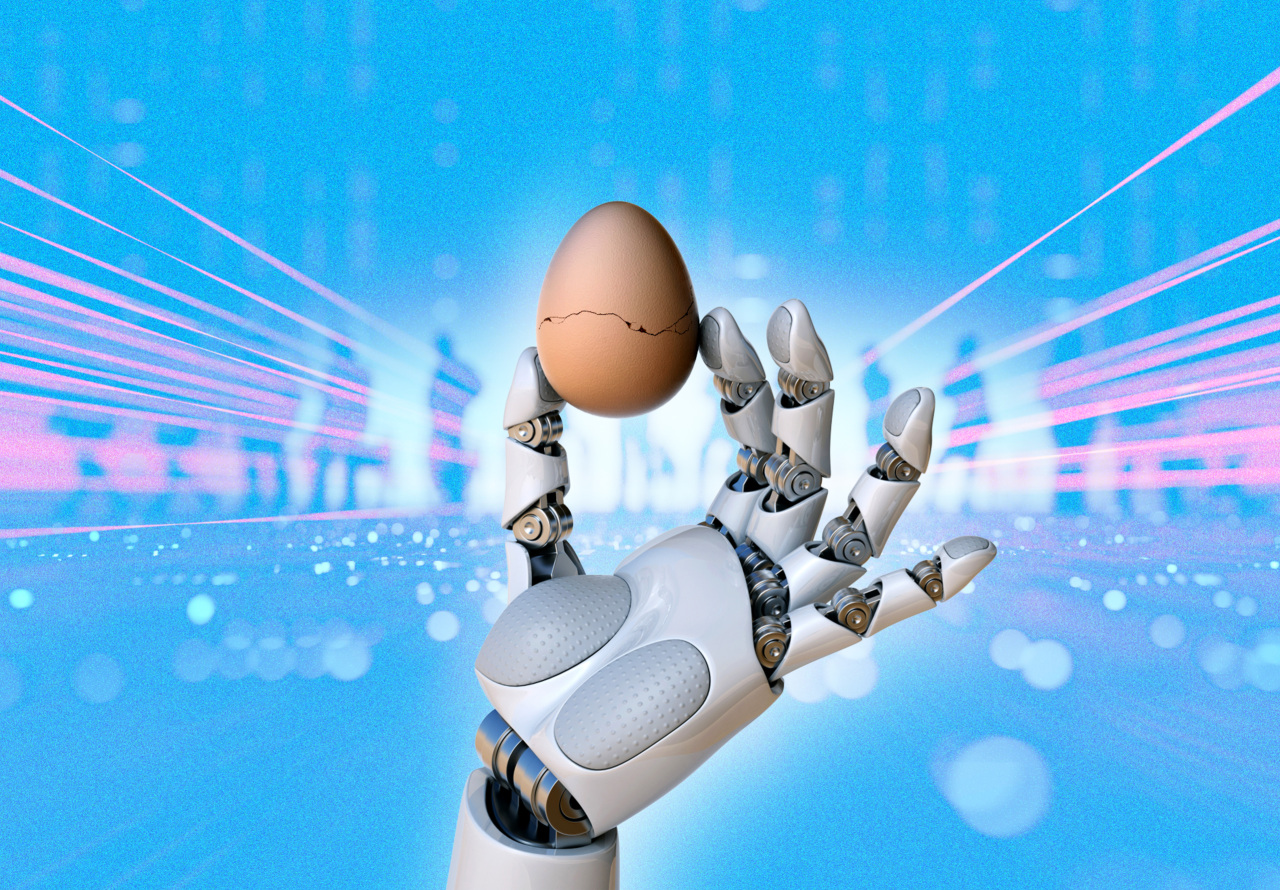
The emergence of humanoid robots is poised to reshape industries and create a market valued at an astonishing $5 trillion. However, experts caution that significant advancements and innovations will be required over the coming years before this potential can be fully realized.
According to the International Federation of Robotics, the demand for robots that can replicate human functions is increasing across various sectors, including healthcare, manufacturing, and customer service. The organization predicts that the market for humanoid robots could see exponential growth as technology improves.
Despite the optimistic projections, experts highlight several challenges that must be addressed. Current humanoid robots, while showing promise, remain limited in their capabilities. They often struggle with complex tasks, lack intuitive interaction skills, and face high production costs. Boston Dynamics and SoftBank Robotics are among the companies leading the way in developing these advanced machines, yet their products are not yet ready for widespread adoption.
A key hurdle is the need for enhanced artificial intelligence systems that allow these robots to learn and adapt to new situations. Tesla has announced plans to release its own humanoid robot, known as Optimus, in 2024. However, CEO Elon Musk has acknowledged that achieving the desired level of functionality will take time and continuous refinement.
Investors are keeping a close eye on the humanoid robot sector, driven by the potential for substantial returns. The anticipated applications range from assisting the elderly in their homes to providing support in high-demand environments such as hospitals and retail spaces. The increasing labor shortages in many industries further fuels interest in automated solutions.
Despite the excitement surrounding humanoid robots, the journey from concept to reality is fraught with obstacles. Experts suggest that achieving a seamless integration of these robots into everyday life will require ongoing collaboration among technological innovators, regulatory bodies, and ethical committees.
As companies continue to invest in research and development, the timeline for a fully operational humanoid robot market remains uncertain. While the potential for a $5 trillion industry is enticing, stakeholders must remain patient as they navigate the complexities of innovation and implementation.
In summary, while the future of humanoid robots is promising, the road to widespread adoption is likely to be long and challenging. Continued advancements in technology and a concerted effort to address existing limitations will be essential for realizing the full potential of this transformative market.