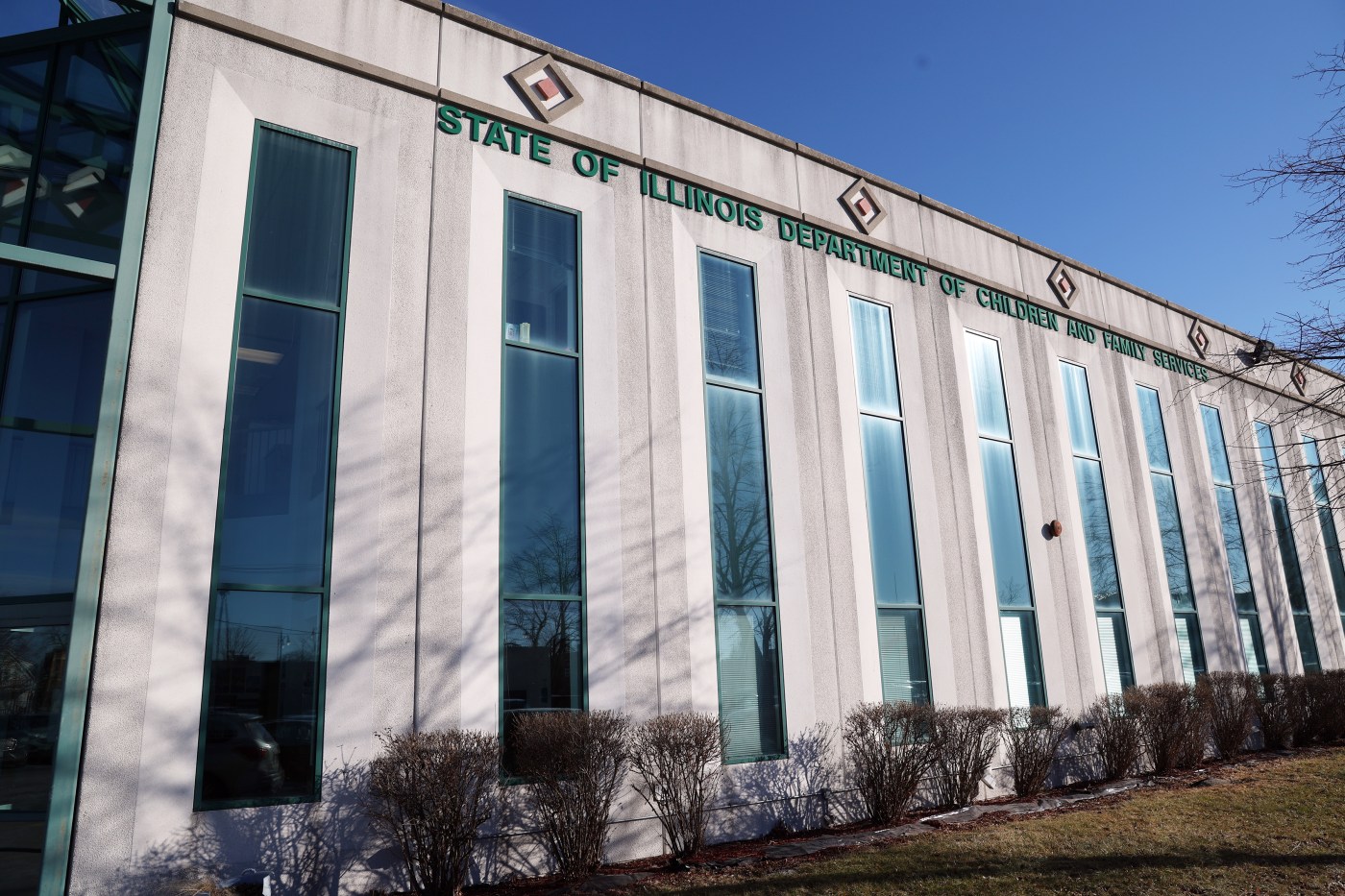
A new pilot program in Illinois is at the center of a debate regarding the effectiveness of cash assistance in supporting families involved with the child welfare system. The initiative, which partners with the Illinois Department of Children and Family Services, aims to provide financial support to families facing challenges related to poverty and child neglect.
Mike Shaver, CEO of Brightpoint, formerly known as Children’s Home & Aid, has defended the program against criticism from academics Sarah A. Font and Emily Putnam-Hornstein. In a recent op-ed, the professors raised concerns about the implications of providing cash assistance to parents with a history of child maltreatment. Shaver argues that Illinois should be commended for its willingness to explore how cash support can impact family stability and child welfare.
The pilot program, which follows 800 families over the course of 12 months, provides an average of $500 per month to half of the families involved. Participants are already receiving Intact Family Services, a voluntary prevention initiative designed to help families stabilize before they reach a crisis point. Shaver emphasizes that the study addresses a fundamental question: if poverty is a contributing factor to child neglect, what effect might unconditional cash support have?
The researchers, from the University of Illinois Urbana-Champaign and the University of Connecticut, are conducting this inquiry in a context where child welfare hotline reports frequently cite neglect as a primary concern, often linked to economic hardships. Shaver insists that exploring the potential benefits of cash assistance is not reckless but a necessary step in addressing unresolved issues within the system.
While critics have pointed to previous studies, such as those referenced by Font and Putnam-Hornstein, Shaver argues that the existing evidence on the relationship between financial support and child welfare remains inconclusive and warrants further examination. He encourages a culture of inquiry, stating, “Progress depends on people willing to ask hard questions and follow the evidence where it leads.”
The discourse around this pilot program also highlights broader societal issues. Tecoria Jones, board secretary of Be Strong Families, emphasizes the need to consider the environmental factors that influence child welfare. According to Jones, challenges faced by low-income families often extend beyond financial limitations and include issues such as mental health, addiction, and domestic violence.
Jones cites a June 2021 article from CNBC that reported significant improvements in food and financial security among families who received cash during the COVID-19 relief efforts. The article noted that food insufficiencies decreased by 42%, and financial insufficiencies dropped by 43% in households with children. These findings suggest that financial support can enhance family stability and improve mental health outcomes.
As the conversation evolves, some experts express concern over the potential ramifications of opposing cash assistance initiatives. Marrianne McMullen, a former foster parent and child welfare advocate, criticizes the national narrative against financial support programs. She argues that public policy efforts in child welfare have historically received bipartisan support, pointing to the passage of the Family First Prevention Services Act during the Trump administration as an example of collaborative progress.
McMullen notes, “Is no area of public policy safe from this toxicity?” Her comments reflect a growing concern that divisive rhetoric may hinder effective solutions for families in need.
The ongoing discussions surrounding cash assistance in Illinois illustrate the complexities of addressing child welfare issues. As the pilot program progresses, stakeholders are keenly interested in the outcomes and insights that may emerge, contributing to the evidence base needed to inform future policy decisions.
In a landscape where families face numerous challenges, the willingness to explore innovative solutions and engage in constructive dialogue will be essential in shaping the future of child welfare in Illinois and beyond.