An interstellar comet known as 3I/ATLAS is set to make its closest approach to Earth on November 3, 2023. Initially detected in July as it traversed through our solar system, the comet will pass within approximately 167 million miles (270 million kilometers) of our planet, positioned on the opposite side of the sun. Though it will not be visible to the naked eye, astronomers are keenly observing this celestial visitor, capturing detailed images as it nears its exit from our solar system.
The optimal viewing window for 3I/ATLAS has already closed, with the best opportunities for observation occurring in November. Those wishing to see the comet will require a telescope of at least 8 inches (20 centimeters) in diameter. The Virtual Telescope Project, led by astronomer and astrophysicist Gianluca Masi, will host a livestream of the comet at 04:00 UTC on Saturday, or 11:00 p.m. ET on Friday. This event comes after cloudy weather thwarted previous attempts to stream the comet’s passage.
As it approaches the sun, 3I/ATLAS has become a focal point for scientists eager to uncover more about its origins and composition. The comet has been under close observation by multiple missions utilizing various wavelengths of light, including optical, infrared, and radio. Recently, researchers even captured X-ray emissions from the comet, yielding new insights into its structure.
Understanding the Comet’s Composition
Comets are often described as “dirty snowballs,” composed of ice, dust, and rocky materials. The nucleus, or solid core, releases gas and dust when heated by the sun, forming the characteristic tails that comets are known for. Observations of 3I/ATLAS are particularly valuable because as the comet nears the sun, the materials it releases could provide critical information about its primordial composition and the conditions in the star system from which it originated.
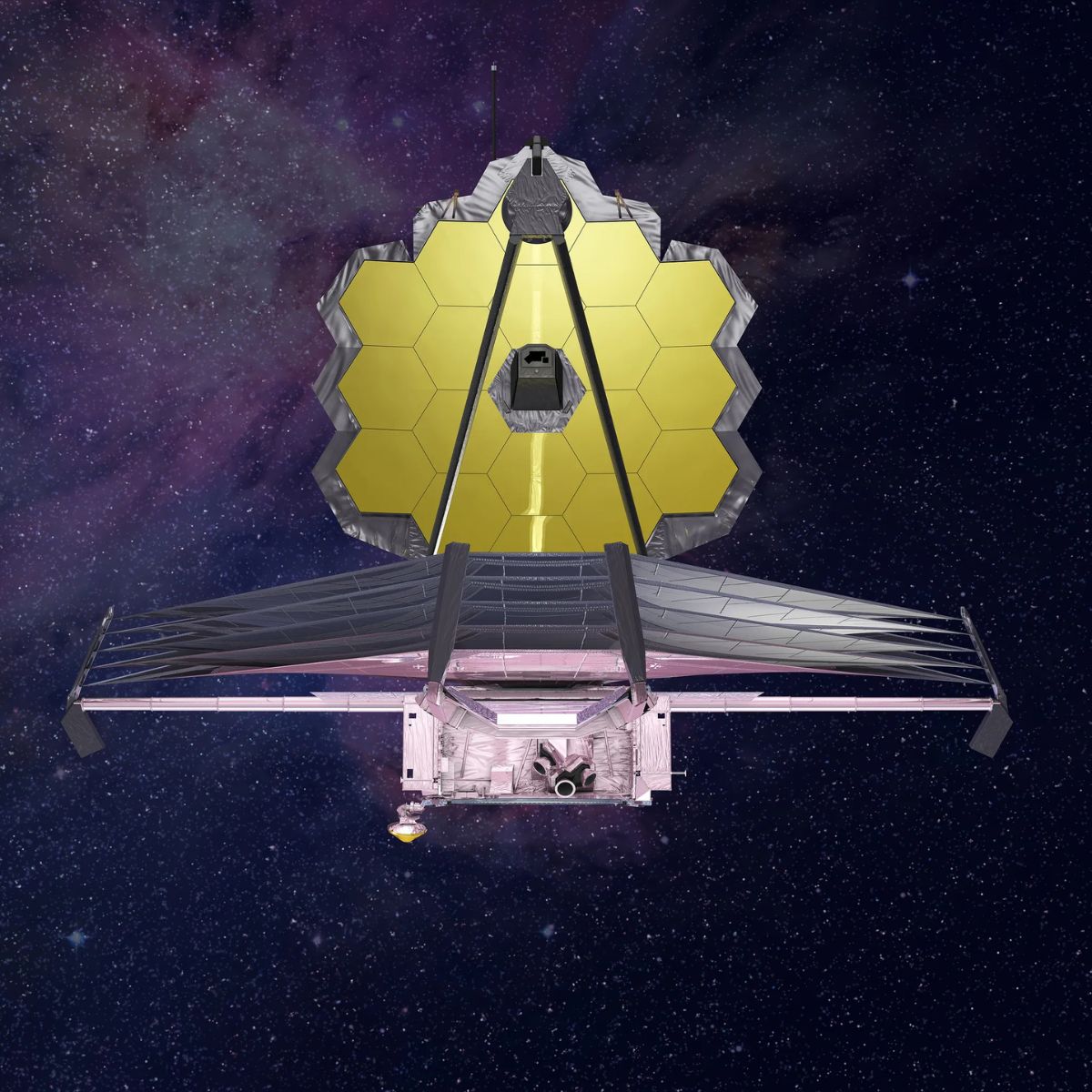
Research conducted using the Hubble Space Telescope and the James Webb Space Telescope has revealed the presence of carbon dioxide, water, and carbon monoxide emanating from the comet. Preliminary studies suggest that 3I/ATLAS may be between 3 billion and 11 billion years old, significantly older than our own solar system, which formed approximately 4.6 billion years ago. This indicates that the comet has likely never encountered another star before its recent passage near the sun.
Ongoing Observations and Future Insights
Although 3I/ATLAS faded from view in October for ground-based telescopes, it remained observable by missions such as PUNCH and SOHO. The comet made its closest approach to Mars on October 3, 2023, coming within 18.6 million miles (30 million kilometers) of the planet. The European Space Agency’s (ESA) Mars Express and ExoMars Trace Gas Orbiter attempted to capture images of the comet, with ExoMars managing to record it as a faint dot against the Martian backdrop.
Despite delays in data sharing due to a government shutdown affecting NASA, ESA continues to monitor the comet. The Jupiter Icy Moons Explorer (Juice) is also scheduled to observe 3I/ATLAS later this month, although the results may not be available until February.
Recent X-ray observations made by Japan’s X-Ray Imaging and Spectroscopy Mission (XRISM) have shown emissions extending approximately 248,000 miles (400,000 kilometers) from the comet’s nucleus. These emissions are thought to result from interactions between gases released by the comet and solar wind—charged particles emitted by the sun. The ESA’s XMM-Newton observatory has also contributed to the X-ray analysis, indicating a complex interplay between the comet’s material and the environment.
As astronomers continue to study 3I/ATLAS, they anticipate that forthcoming observations will yield groundbreaking insights into its composition and the broader category of interstellar comets. The scientific community remains optimistic about the data that will emerge from this remarkable celestial encounter.