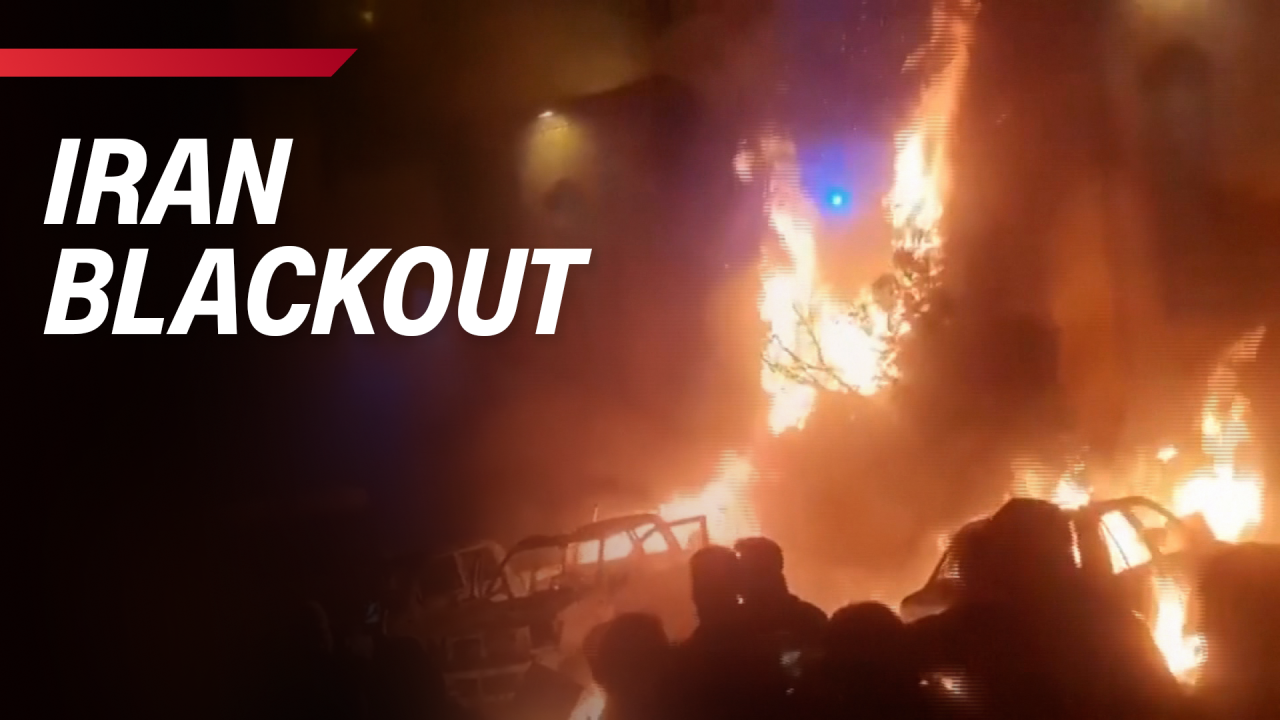
Protests in Iran continue to escalate as the country enters the second day of a government-imposed internet blackout. The unrest, which began on December 28, 2023, is fueled by widespread dissatisfaction over rising inflation and the actions of the ruling authorities. In a significant development, Reza Pahlavi, the son of Iran’s last king, has called for a two-day nationwide strike to further pressure the government.
In a video message shared on social media platform X, Pahlavi urged workers and employees in vital sectors, including transportation, oil and gas, and energy, to participate in the strike starting on Saturday, the first day of the working week in Iran. He encouraged demonstrators to take to the streets with flags and national symbols, emphasizing the importance of reclaiming public spaces. “The goal is to prepare to seize city centers and hold them,” he stated, reflecting on the powerful message sent to Iran’s leadership during Friday’s protests.
The popularity of Pahlavi within Iran remains uncertain. Having been only 16 years old when the Islamic Revolution ended his father’s 40-year reign, he represents a legacy that many Iranians view with mixed feelings.
Internet Blackout Impedes Communication
As protests intensified, the Iranian government initiated an internet blackout, which has lasted over 36 hours, according to internet monitoring organization NetBlocks. This action was taken in response to mass demonstrations in the capital city of Tehran.
In a recent update on social media, NetBlocks noted, “It’s now 08:00 in Iran where the sun is rising after another night of protests met with repression; metrics show the nationwide internet blackout remains in place at 36 hours, severely limiting Iranians’ ability to check on the safety of friends and loved ones.” The blackout has raised concerns about the ability of citizens to communicate and organize during a critical period of unrest.
The protests, initially sparked by economic grievances, have transformed into a broader demonstration against the government’s authoritarian measures and its response to dissent. While the government has cracked down on protests, the determination of demonstrators appears undeterred.
As the situation evolves, the international community continues to monitor developments in Iran closely. The ongoing unrest may challenge the government’s grip on power and could lead to further calls for reform from both inside and outside the country.