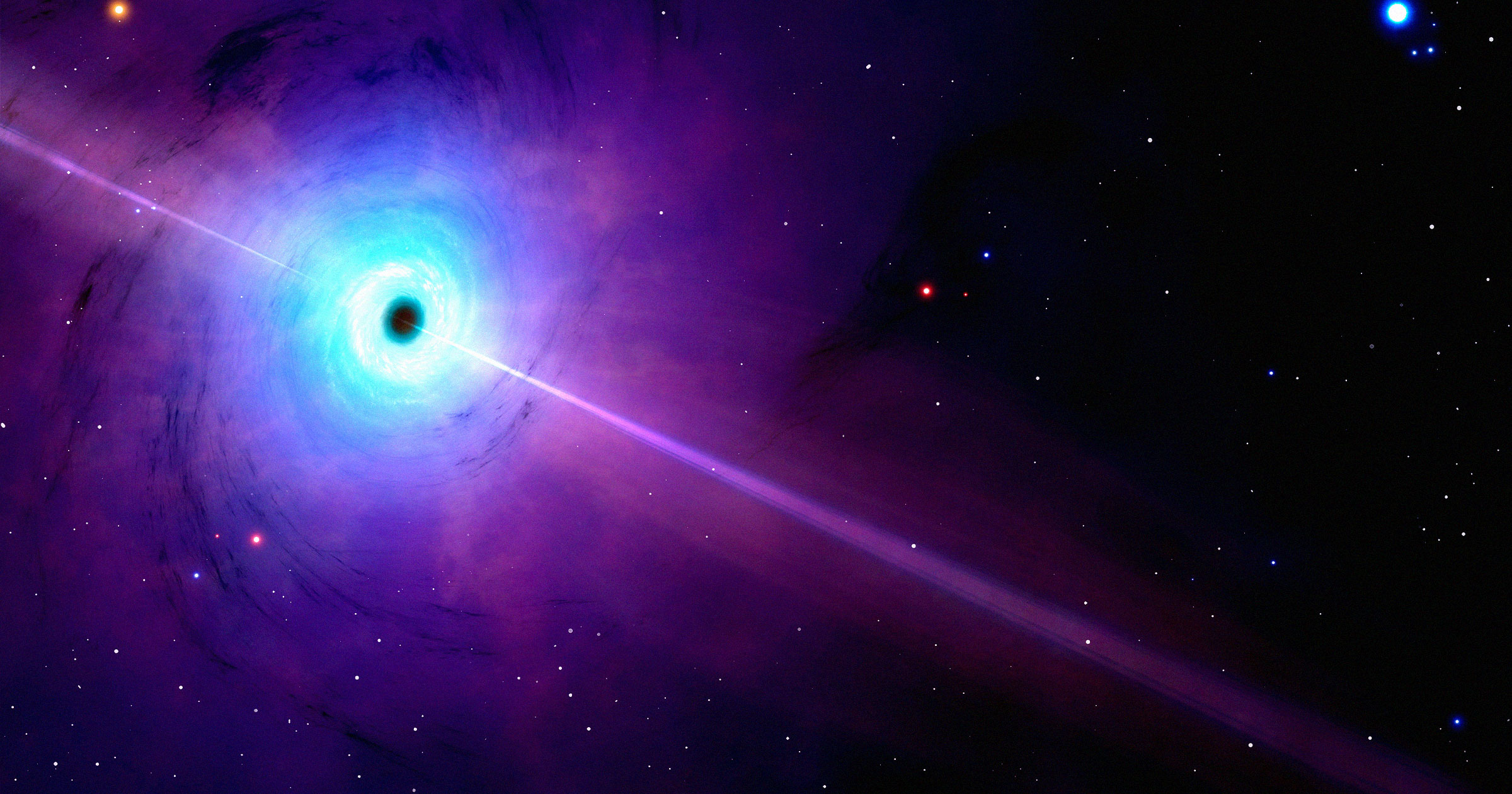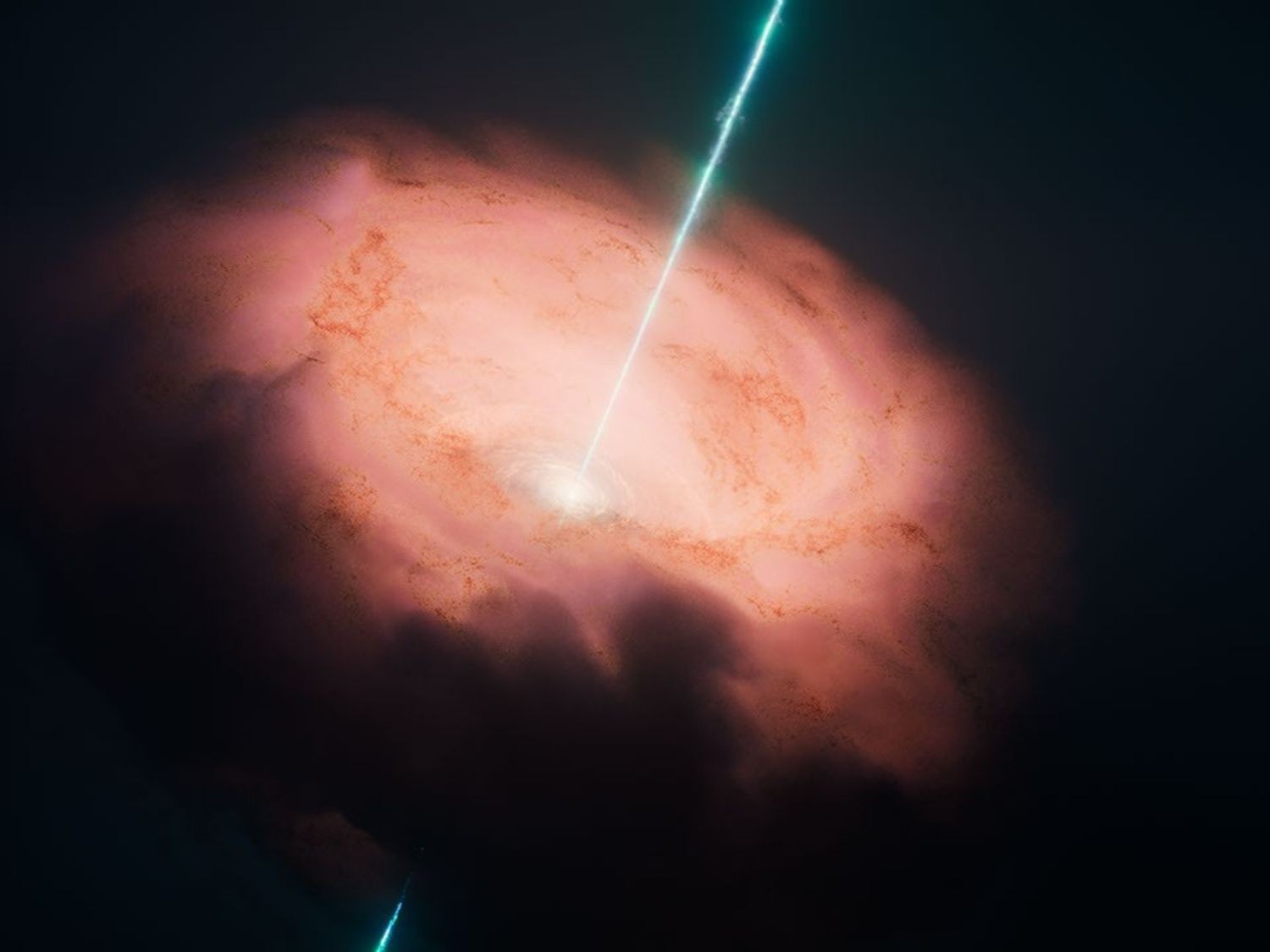
The James Webb Space Telescope (JWST) has achieved a significant milestone by capturing its sharpest image yet of the environment surrounding the supermassive black hole known as Sagittarius A*. This groundbreaking image reveals intricate details of the black hole located at the center of the Milky Way galaxy, providing researchers with new insights into the behavior of matter and light in extreme gravitational fields.
In a press release dated October 11, 2023, NASA announced that the telescope’s latest observations allow astronomers to examine the immediate vicinity of Sagittarius A* with unprecedented clarity. Positioned approximately 27,000 light-years from Earth, this black hole has long been a subject of intense study due to its massive scale and mysterious nature.
The image showcases a region of space characterized by dynamic and chaotic interactions. Researchers from the European Southern Observatory and the Event Horizon Telescope project collaborated with JWST scientists to refine their understanding of the hot gas and dust swirling around the black hole. This data is crucial for understanding how black holes influence their surroundings and shape galaxy evolution.
New Insights from High-Resolution Imaging
The capabilities of JWST to capture high-resolution infrared images have allowed scientists to observe features that were previously obscured in other wavelengths. The telescope’s instruments can penetrate dust and gas to reveal the structure and motion of materials near the black hole. This could lead to discoveries about the mechanisms driving the accretion of matter as it spirals toward Sagittarius A*.
According to University of Arizona researchers involved in the study, the new images highlight the importance of combined observational techniques in astrophysics. The data obtained from JWST complements earlier findings from the Event Horizon Telescope, which provided the first-ever image of a black hole’s event horizon in 2019. The collaboration across different observatories enhances our collective understanding of these enigmatic cosmic entities.
Moreover, the JWST’s observations serve as a reminder of the rapid advancements in space observation technology. As astronomers continue to analyze and interpret these images, they anticipate that such findings will not only deepen our understanding of black holes but also challenge existing theories about their formation and growth.
The Future of Black Hole Research
The implications of JWST’s discoveries extend beyond immediate observations. The ability to visualize the environment around black holes may shed light on fundamental questions about the universe, including the nature of dark matter and energy. As scientists work to unravel these cosmic mysteries, the James Webb Space Telescope stands poised to play a pivotal role in future research.
This latest achievement reinforces the importance of international collaboration in scientific research. The partnerships formed between institutions across the globe enable researchers to tackle complex questions about the universe’s most powerful phenomena.
With ongoing observations and analysis, the JWST continues to push the boundaries of what is known about black holes and the cosmos. As more data becomes available, the astronomical community eagerly anticipates the insights that will emerge from this remarkable telescope, ensuring that the quest for knowledge about our universe remains vibrant and dynamic.