A group of four mice launched into space has returned, with one female successfully giving birth to nine pups. This remarkable event, which occurred following the completion of the Shenzhou-21 mission, could hold significant implications for future human space exploration. The mission began on October 31, 2023, when the mice were sent to the Chinese space station, located approximately 400 kilometres above Earth.
During their two-week stay in microgravity, the mice experienced the challenges of living in space, including exposure to radiation and altered environmental conditions. They returned safely on November 14, 2023. Shortly after their return, on December 10, one of the female mice gave birth to nine healthy offspring, marking an important milestone in understanding mammalian reproduction in space.
Key Findings on Reproduction in Space
Researchers from the Chinese Academy of Sciences, led by Wang Hongmei, highlighted the significance of this birth. They found that short-term spaceflight did not impair the mouse’s reproductive abilities. Mice are genetically similar to humans and respond to physiological stresses in ways that often mirror human biology, making them ideal subjects for space research.
In a previous study, sperm from mice that had been in space was used to successfully fertilize female mice on Earth. In this latest mission, six of the nine pups have survived, which researchers consider a normal survival rate for such conditions. The mother has shown proper nursing behavior, and the pups are active and developing well.
The Shenzhou-21 mission faced challenges, including an unexpected change in the return schedule, which extended the mice’s stay in space. The ground team responded quickly, testing emergency food supplies from the astronauts, including compressed biscuits, corn, hazelnuts, and soy milk. After rigorous testing, soy milk was deemed the safest emergency food. Water was supplied through an external port, while an AI monitoring system tracked the mice’s movements and behaviors in real time.
Implications for Future Human Space Exploration
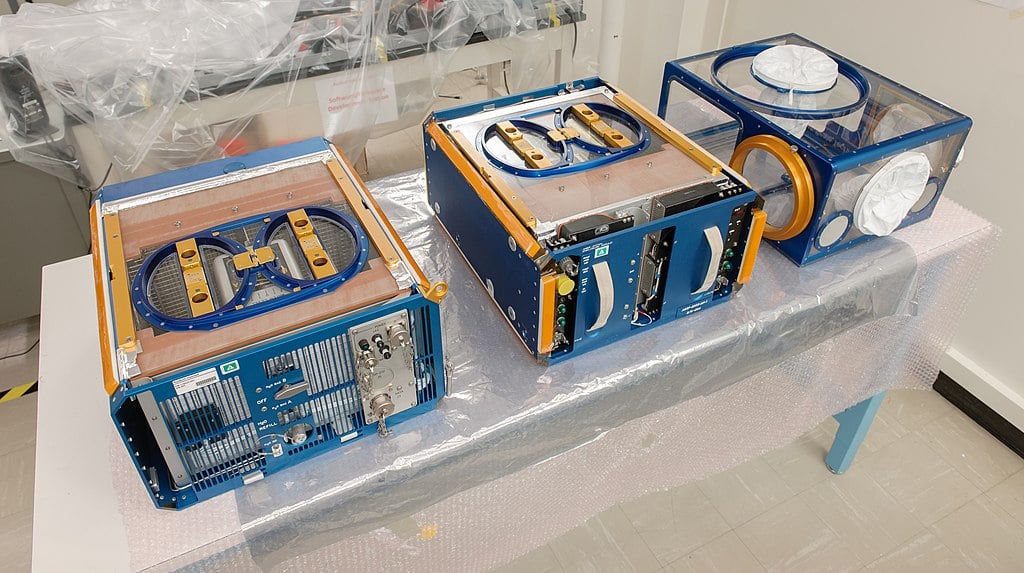
Throughout their orbital stay, the mice lived under strictly controlled conditions, maintaining an Earth-like circadian rhythm with lights on from 07:00 to 19:00. Their diet was carefully balanced to meet their nutritional needs while also accommodating their instinct to chew on harder foods. Directional airflow systems kept their habitat clean by directing waste into collection containers.
Researchers will continue to monitor the growth and development of these “space pups,” examining any physiological changes that may arise from their mother’s exposure to space conditions. They will also investigate whether these offspring can reproduce normally, looking for potential multigenerational impacts.
The broader implications of this research extend beyond mice. Before humans embark on long-duration missions to Mars or establish settlements on the Moon, scientists must understand whether mammalian reproduction functions normally in reduced gravity and after exposure to cosmic radiation. Issues such as the potential damage to eggs or sperm by cosmic rays are critical questions that need answers.
One mouse giving birth does not resolve all these concerns, but it represents a promising step forward in understanding the viability of life in space. As researchers continue to explore these fundamental questions, the knowledge gained could play a crucial role in humanity’s future beyond Earth.