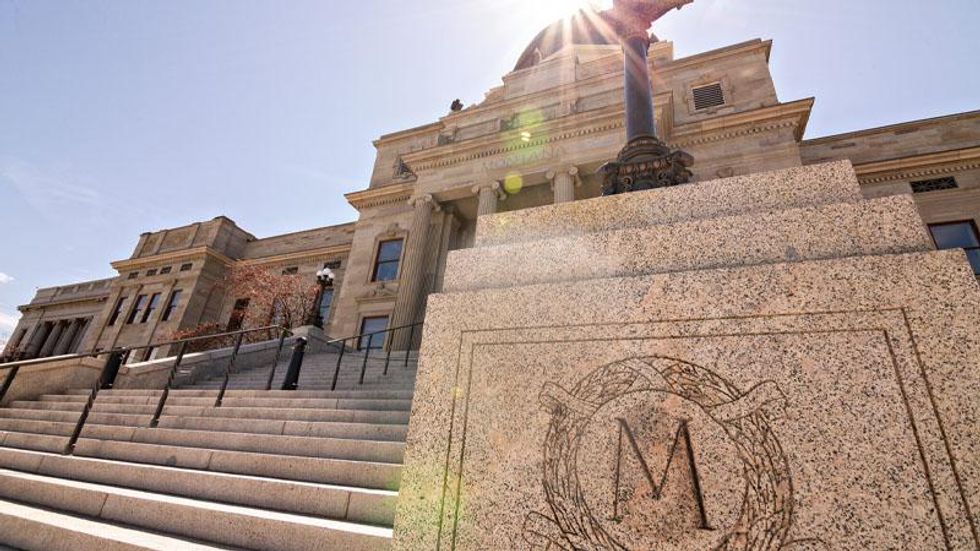
An unusually warm January in Montana is raising alarm among residents and environmental activists. As temperatures in the state’s capital, Helena, remain in the 50s during the day and in the 40s at night, many are questioning the implications of this atypical weather pattern. New high temperature records are being set weekly, prompting longtime residents to reflect on what this means for their state’s climate and ecosystems.
In a recent email, a Montanan remarked, “Winter? What winter?” This sentiment captures the confusion felt by many as they witness their familiar winter landscape undergoing significant changes. For newcomers to the state, the current weather may seem pleasant, but for those who have lived through Montana’s harsh winters, these conditions signal a concerning departure from the norm.
Reports indicate a troubling lack of snow in the mountains. The Sno-Tel sites, which measure snow depth at various elevations, show significant variability, with some sites reporting adequate snow while others indicate alarming deficits. “Snowmobilers say there’s good snow at 9,000 feet in the Tobacco Root Mountains,” noted a local resident. However, the mountains’ lower elevations remain bare, revealing a stark contrast that suggests a broader issue.
The environmental implications of these weather changes are becoming increasingly clear. Longstanding predictions about the effects of human-induced climate change are manifesting in real-time, with many experts asserting that the consequences are now evident. As stated by columnist George Ochenski, “the environmentalists were right.” The warnings about the dangers of overloading the atmosphere with pollutants have been echoed for decades but have often been dismissed by those with vested interests in fossil fuel industries.
The current administration’s approach to climate policy has also come under scrutiny. Despite claims that climate change is a “hoax,” the reality in Montana contradicts such rhetoric. As the state grapples with warmer temperatures and diminished snowpack, the implications for summer water supply and agriculture loom large. The absence of sufficient snowpack threatens to exacerbate conditions during the hotter months ahead, raising concerns for local communities.
Efforts to combat climate change appear misdirected, with significant resources allocated to unproven technologies aimed at removing carbon dioxide from the atmosphere. In contrast, the state’s forests, which naturally sequester carbon dioxide, are facing increased logging pressures. Critics argue that the focus should remain on preserving these vital ecosystems rather than exploiting them for short-term gain.
Montana’s governor has been criticized for prioritizing logging operations, increasing the projected sustainable yield of timber by millions of board feet annually. This strategy raises questions about the long-term viability of these forests in a changing climate. As Ochenski points out, “there’s no guarantee that they will regrow in the changing climatic conditions.”
The concerns surrounding the weather and environmental policies in Montana reflect a broader global challenge. As communities face unprecedented climate changes, the need for concerted action becomes increasingly urgent. For many who have long called Montana home, the question remains: “Winter? What winter?” The answer is not merely a matter of seasonal temperatures but a pressing call to address the environmental realities that threaten the region’s future.
In the words of Bob Dylan, “you don’t need a weatherman to know which way the wind blows.” The visible changes in Montana’s climate are a stark reminder of the importance of acknowledging and addressing the long-term impacts of human activity on the environment.