A new permanent Holocaust and genocide research center will be established at the University of Nevada, Las Vegas (UNLV), following funding from a recent spending package signed by former President Donald Trump. The announcement was made by Elliot Malin, chair of the Governor’s Advisory Council on Education Relating to the Holocaust, during a solemn ceremony on January 27, 2024, to honor victims of the Holocaust at the King David Memorial Chapel & Cemetery in Las Vegas.
Malin confirmed that $700,000 has been allocated for the project, although no specific timeline for construction has been set. He emphasized the importance of this initiative in reaching a wider audience and preserving the memories of local survivors and their families. “By getting this funded and built and established, we’re going to be able to reach more people,” Malin stated. “We will establish a museum where UNLV students will bring CCSD school children in to learn about the Holocaust.”
Holocaust Remembrance Ceremony
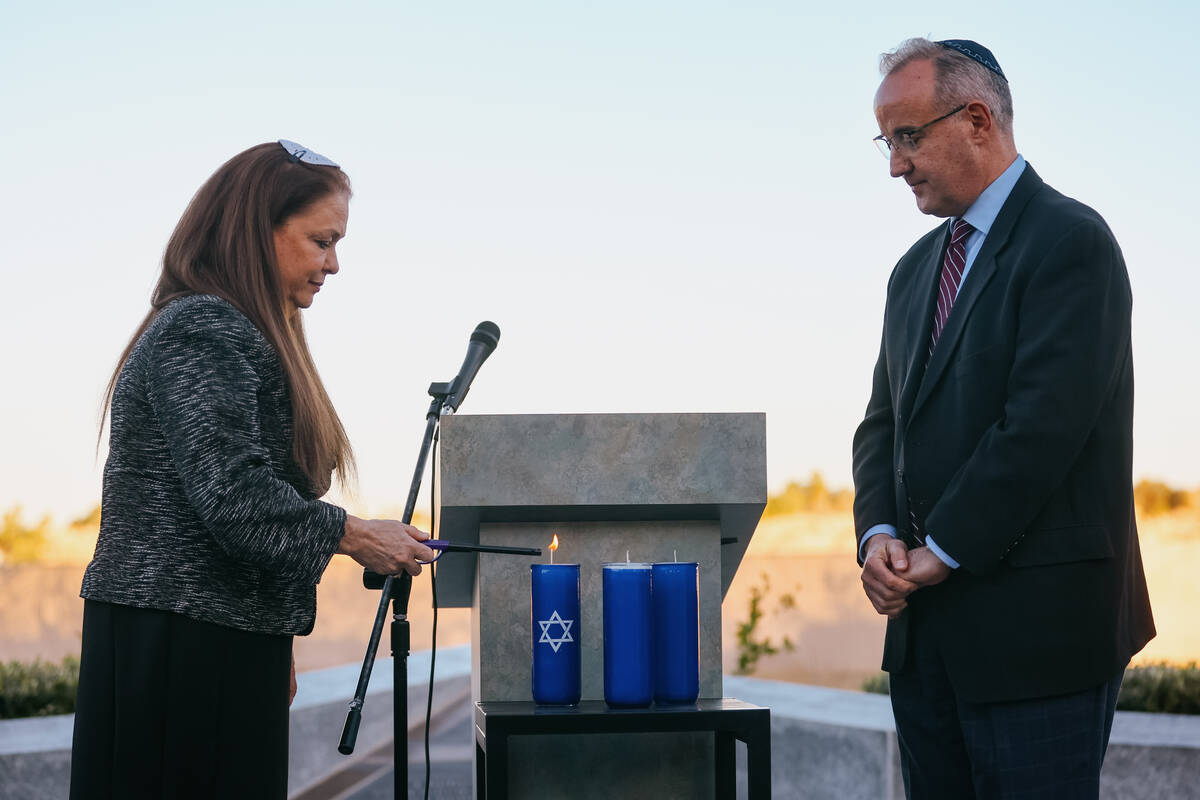
The announcement coincided with International Holocaust Remembrance Day, attracting around 75 attendees who gathered to commemorate the lives lost during this dark chapter in history. The ceremony included the lighting of candles in memory of victims from six concentration camps in Poland: Belzec, Treblinka, Sobibor, Chelmno, Auschwitz, and Majdanek. Historians estimate that approximately 1.1 million individuals, primarily Jews, perished at Auschwitz alone, contributing to the grim total of over six million lives lost during the Holocaust, including around 1.5 million children.
Las Vegas Mayor Shelley Berkley addressed the gathering, sharing her reflections from visits to various concentration camps in Europe. “What strikes me the most is the millions of children that did not survive their childhood because of the Holocaust,” Berkley remarked. “When I think about that, I think to myself what could have been with those youngsters, the contributions they would have made to the world.” She expressed concern over a rising tide of antisemitism globally, emphasizing the need for vigilance against hatred. “It’s incumbent on all of us to ensure that nobody, no group, is treated in that manner again,” she asserted.
Survivor’s Voice
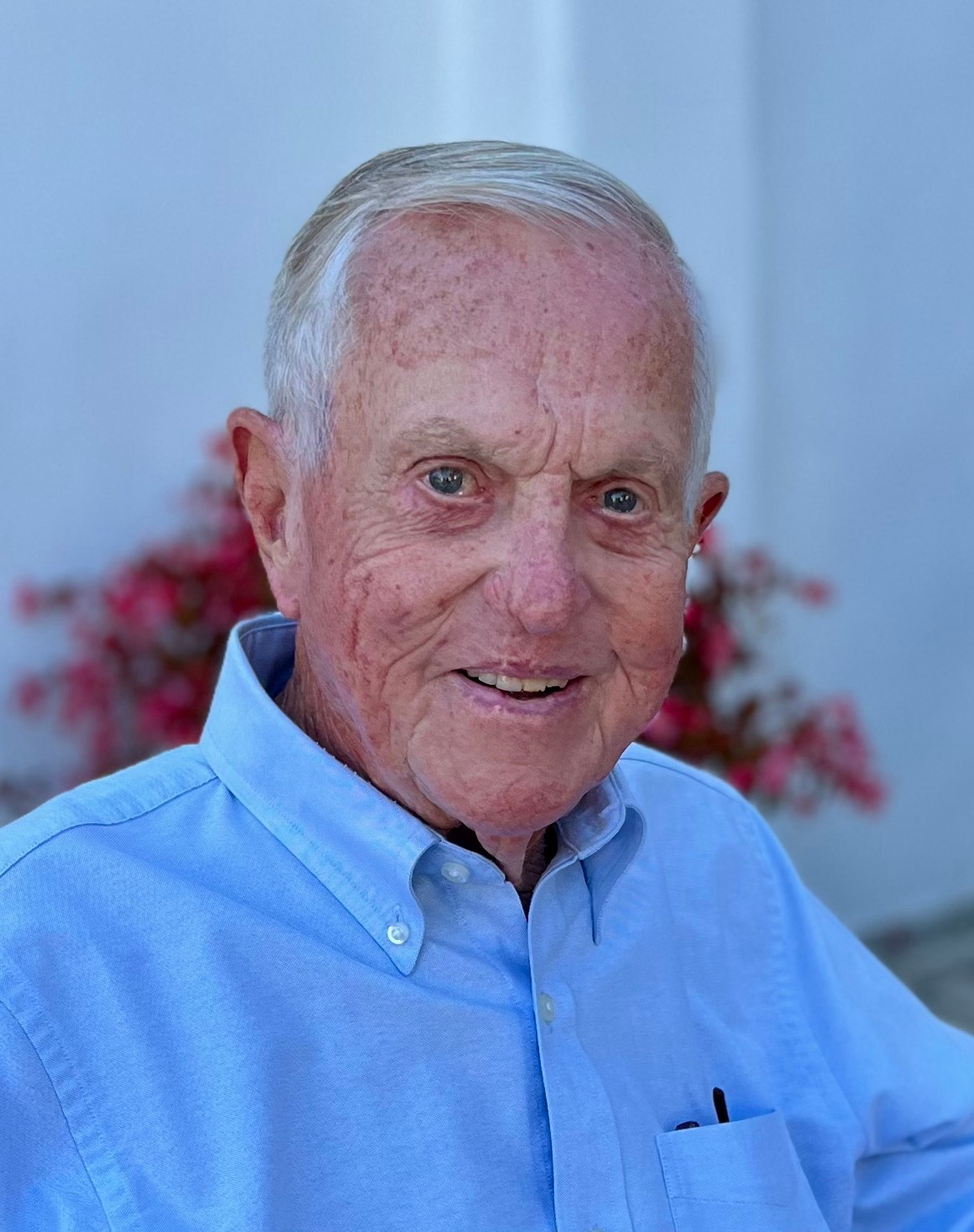
Among the attendees was Thomas Jacobson, an 87-year-old survivor who as a child was aboard the MS St. Louis, a ship that carried nearly 1,000 German-Jewish refugees seeking refuge from Nazi persecution in 1939. The ship was famously denied entry to the United States, Cuba, and Canada, forcing its return to Europe. Jacobson shared his harrowing experience to raise awareness about the importance of remembering history. “We were turned away everywhere we went; nobody wanted the Jews in those days,” Jacobson recounted. “Being here today, for me, it’s about getting the word out.”
Having become a civil rights attorney, Jacobson noted parallels between the events leading up to World War II and contemporary issues. “I’m an immigrant, and I know you really have to fight for democracy,” he stated. “You have to speak up and really fight for your liberty.” His presence at the event served as a reminder of the dwindling number of Holocaust survivors and the urgency to pass on their stories.
The establishment of the Holocaust and genocide research center at UNLV represents a significant step toward educating future generations. The collaboration aims to document, preserve, and showcase the history of the Holocaust, ensuring that the lessons learned continue to resonate within the community.