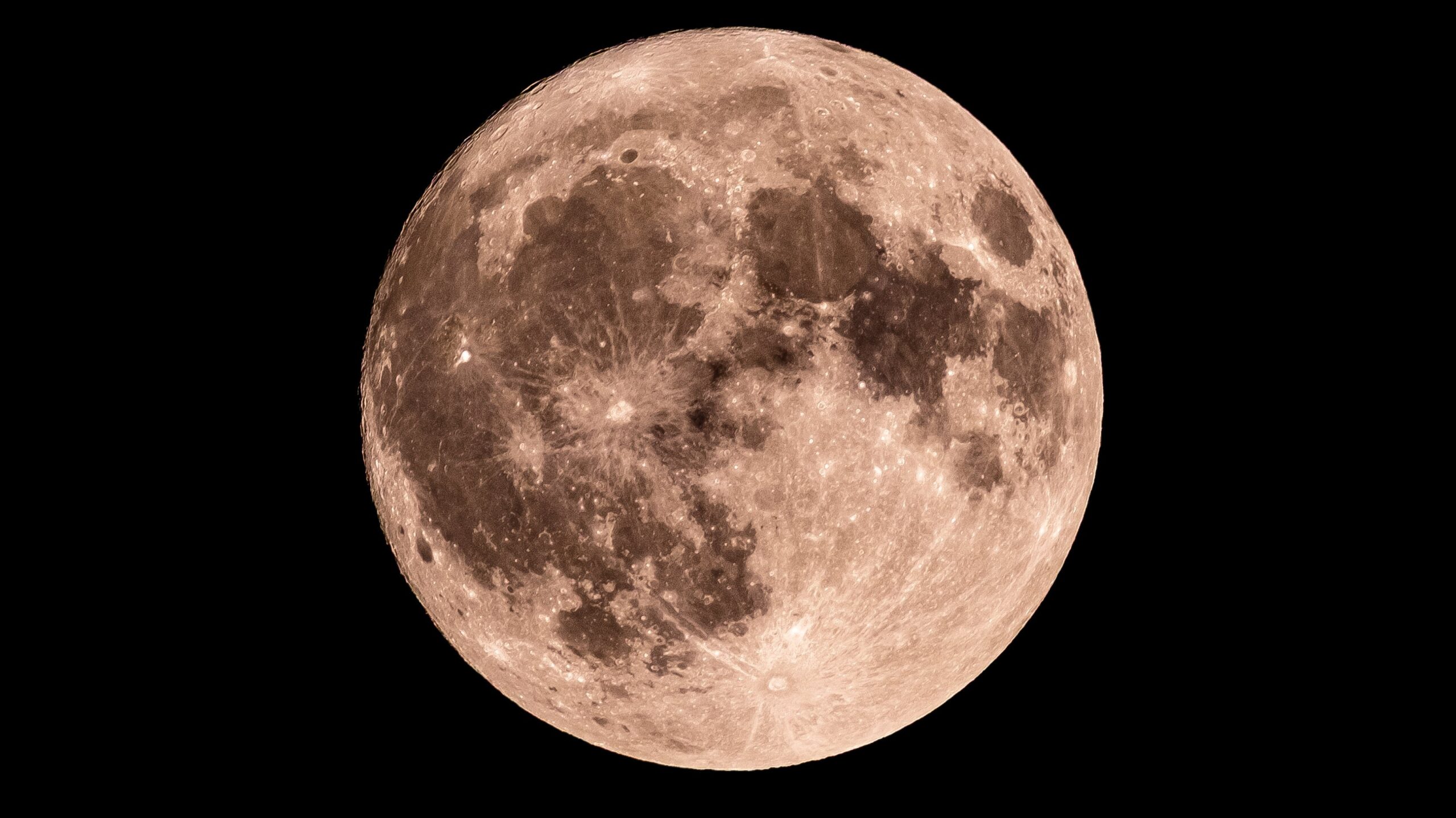
The Moon enters the New Moon phase today, January 18, 2024, marking the beginning of a new lunar cycle. During this phase, the Moon is positioned directly between the Earth and the Sun, rendering it invisible from our perspective. As a result, there is 0% illumination tonight, which means the Moon cannot be seen in the night sky.
According to NASA’s Daily Moon Guide, the Moon will gradually become more visible in the coming days, leading up to the next Full Moon, which is scheduled for February 1, 2024. The last Full Moon occurred on January 3, 2024, and the transition from a dark sky to a fully illuminated Moon offers a fascinating spectacle for skywatchers.
Understanding Lunar Phases
Moon phases consist of eight distinct stages that make up the lunar cycle, which lasts approximately 29.5 days. This duration represents the time it takes for the Moon to complete one full orbit around the Earth. Each phase results from the varying positions of the Moon, Earth, and Sun, affecting the amount of sunlight that reflects off the Moon’s surface.
The eight phases of the lunar cycle include:
– **New Moon**: The Moon is not visible as it lies between the Earth and the Sun.
– **Waxing Crescent**: A small sliver of light emerges on the right side.
– **First Quarter**: Half of the Moon is illuminated on the right side, resembling a half-Moon.
– **Waxing Gibbous**: More than half of the Moon is lit, approaching fullness.
– **Full Moon**: The entire face of the Moon is illuminated, making it fully visible.
– **Waning Gibbous**: The Moon begins to lose light on the right side.
– **Third Quarter (or Last Quarter)**: Another half-Moon, now with the left side illuminated.
– **Waning Crescent**: A thin sliver of light remains on the left side before returning to darkness.
The Significance of the Lunar Cycle
The lunar cycle not only influences the night sky but also has cultural and scientific significance. Many cultures have historically used the phases of the Moon for agricultural, religious, and navigational purposes. These phases can affect tides and even animal behavior, highlighting the Moon’s role in Earth’s ecosystems.
As the Moon transitions from its New Moon phase towards full illumination, enthusiasts and astronomers alike look forward to observing the changes in its appearance. Each phase presents a unique opportunity to engage with the natural world, reminding us of the dynamic forces at play in our universe.