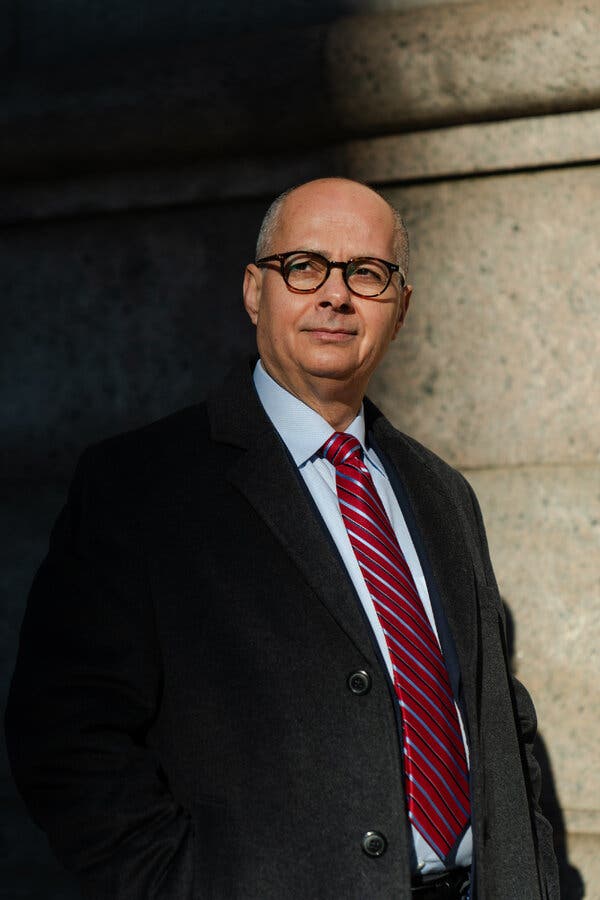
Dr. Omar Yaghi, a professor at the University of California, Berkeley, is set to receive the Nobel Prize in Chemistry on December 6, 2023, in Stockholm, highlighting a significant achievement in the scientific community. Yaghi, who grew up in a modest home in Jordan as a Palestinian refugee, is one of several immigrant scientists honored this year. His story exemplifies the contributions of foreign-born researchers to American science.
This year, three of the six American Nobel laureates in science were born outside the United States. The trend reflects a broader statistic: in the 21st century, approximately 40 percent of Nobel winners in physics, chemistry, and medicine in the U.S. have been immigrants. Economists argue that these scientists have played a crucial role in fostering innovation and economic growth, contributing to the establishment of multiple trillion-dollar companies in Silicon Valley.
Impact of Immigration Policies on Scientific Excellence
Concerns have arisen regarding the potential impact of the Trump administration‘s immigration policies on the future of scientific research in the U.S. Critics argue that the administration’s “America First” approach could threaten the country’s longstanding tradition of welcoming foreign talent. As immigration pathways for legal immigrants, international students, and visiting researchers become increasingly restricted, experts warn that the U.S. could face a decline in its scientific prowess.
Dr. Yaghi has voiced his apprehension about these policies. In a recent interview, he stated that the current immigration environment puts the entire U.S. ecosystem of scientific excellence at risk. He emphasized the importance of maintaining an open and welcoming approach to foreign talent, which has historically bolstered American innovation.
As Dr. Yaghi prepares to accept his Nobel Prize, his journey from a one-room home in Jordan to the pinnacle of scientific achievement underscores the vital contributions of immigrants to American society. The potential implications of restrictive immigration policies could not only affect individual researchers but also the broader landscape of American science and technology.
The recognition of Dr. Yaghi and his peers not only celebrates individual accomplishments but also serves as a reminder of the collective strength that diverse backgrounds bring to the scientific community. As the ceremony approaches, the dialogue surrounding immigration and its impact on innovation continues to gain urgency, highlighting the need for policies that support inclusivity and collaboration in research.