The Pasadena City Council unanimously voted on March 2, 2024, to deny an appeal from St. Philip the Apostle Church regarding a proposed four-story research and development building by the California Institute of Technology (Caltech). The decision followed a lengthy meeting that lasted nearly four hours, during which council members heard from developers, community members, and numerous local residents both for and against the project.
Caltech plans to construct a 93,539-square-foot building at the corner of Green Street and Holliston Avenue, which will include subterranean parking. This project, which received concept design approval from the city’s Design Commission in January, has been a contentious issue between Caltech and the neighboring church for several months.
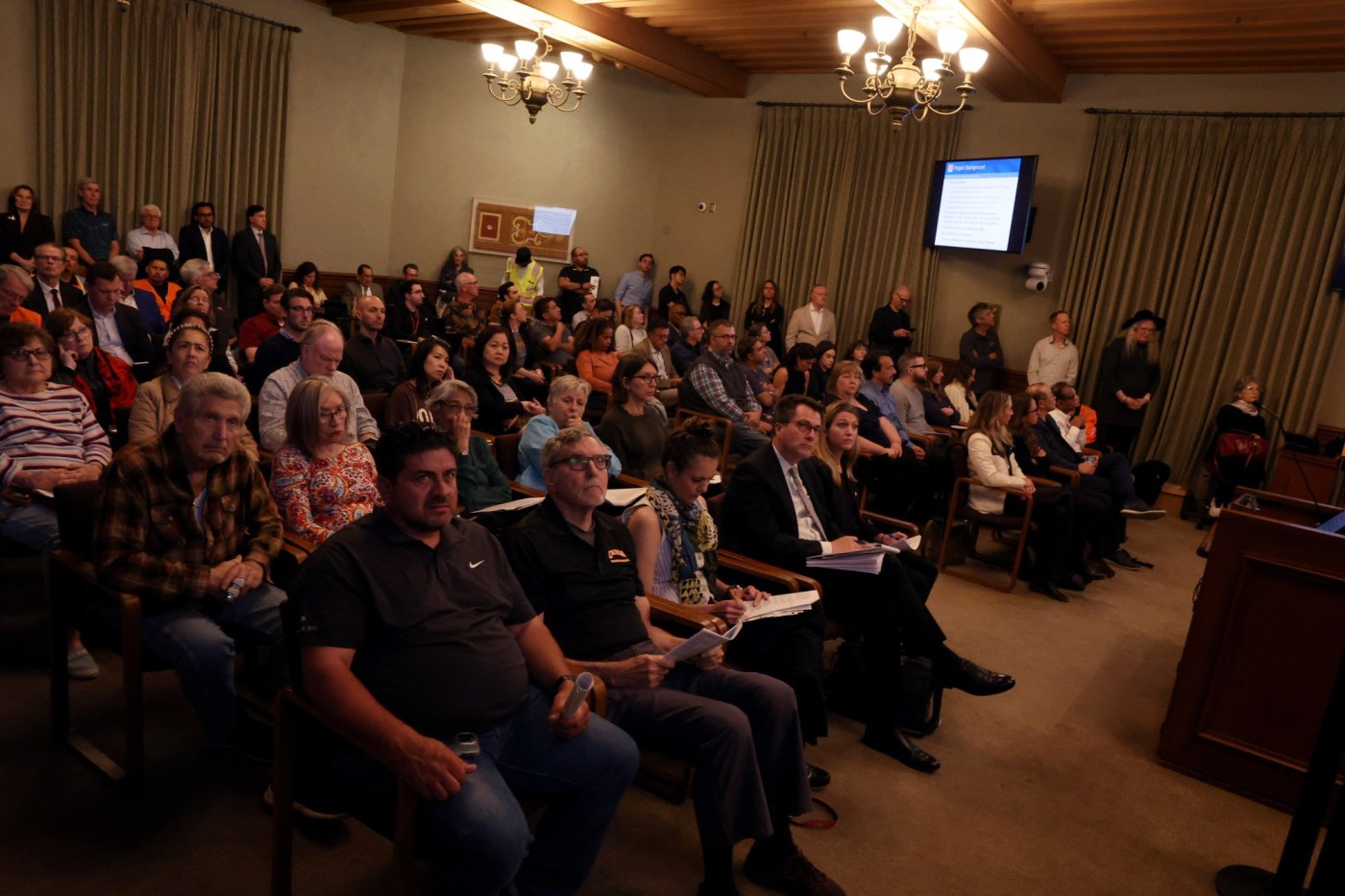
The council meeting attracted significant public interest, with attendees filling the chambers and requiring overflow space for additional viewers. According to the city clerk, over 700 letters were submitted opposing the construction, compared to 31 letters in support of the project. During public comments, nearly 60 individuals voiced their opinions, with many advocating for the new facility.
Supporters of the project highlighted the need for more laboratory space in Pasadena to foster innovation and retain potential startups in the area. Former City Councilmember Andy Wilson emphasized the project’s importance, stating, “This is a high-value, place-based economic asset that helps our city remain competitive, resilient, and relevant.”
The project developer, Trammell Crow Company, announced plans to reduce the building’s height to 73 feet and decrease the number of subterranean parking spaces from 260 to 200. The proposed building aims to serve as an innovation center, enhancing Caltech’s startup ecosystem. City officials noted that the project complies with Pasadena’s zoning code and aligns with the East Colorado Specific Plan.
Opponents, which included church parishioners and parents of children at the church school, called for an environmental impact report and questioned why the project could not be relocated to a different area. Attorney Richard McDonald, representing the opponents, argued that although the project may seem logical, it could lead to detrimental outcomes for the community.
The next step in the approval process is the final design review, which will assess the project’s design details. Caltech officials estimate that if construction begins in the fall of this year, the building could be completed by 2028 or 2029. The meeting was streamed live on YouTube, allowing for broader community engagement and transparency.
As the project moves forward, it remains to be seen how the ongoing dialogue between Caltech, the church, and the local community will evolve.