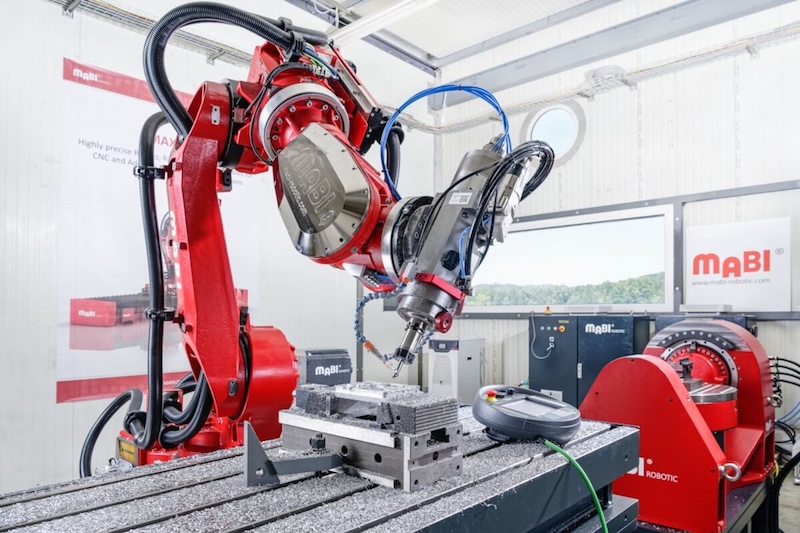
The manufacturing landscape is undergoing a significant transformation as robotic arms and automated gripping systems become integral components of production lines. These advanced technologies are enhancing efficiency and precision in factories worldwide, fundamentally changing how goods are produced.
Robotic arms equipped with gripping systems can swiftly pick up, rotate, and place components with remarkable accuracy. This capability not only streamlines production processes but also reduces the risk of injury associated with manual handling. As industries increasingly adopt these technologies, they are witnessing improved productivity and lower operational costs.
According to a report by research firm MarketsandMarkets, the global market for robotic arms is projected to reach $29.9 billion by 2026, growing at an annual rate of 12.2% from 2021. This surge can be attributed to the growing demand for automation in various sectors, including automotive, electronics, and consumer goods.
Impact on Production Efficiency
The implementation of automated gripping systems is particularly evident in assembly lines where speed and precision are critical. Factories utilizing these robotic systems can achieve significant reductions in production time. For instance, automotive manufacturers have reported cycle time reductions of up to 30% since integrating robotic arms into their operations.
Moreover, these systems are designed to work seamlessly alongside existing machinery and conveyor belts, enhancing their capabilities without requiring extensive reconfiguration. This adaptability makes robotic arms an attractive investment for companies aiming to modernize their production processes.
Robotic arms are also enhancing quality control measures. Equipped with sensors and cameras, they can identify defects at a much higher rate than human workers. This ensures that only products meeting stringent quality standards proceed down the production line, thereby reducing waste and increasing customer satisfaction.
Challenges and Future Prospects
Despite the numerous advantages, the adoption of robotic arms is not without challenges. High initial costs and the need for skilled personnel to operate and maintain these systems can deter some manufacturers. However, as technology advances and costs decrease, more companies are expected to embrace automation.
Countries in Europe and North America are leading this transition, driven by a robust industrial base and a focus on innovation. Governments are also incentivizing the adoption of automation through grants and subsidies, further propelling the growth of the industry.
As the manufacturing sector continues to evolve, the role of robotic arms and automated gripping systems will only expand. With ongoing advancements in artificial intelligence and machine learning, the capabilities of these systems are expected to become even more sophisticated, allowing for greater flexibility and responsiveness in production.
In summary, robotic arms are not just a trend but a vital element of modern manufacturing. Their ability to enhance efficiency, ensure quality, and adapt to various production environments positions them as a cornerstone of the future industrial landscape. As investment in these technologies increases, manufacturers worldwide are set to benefit from the advantages they offer.