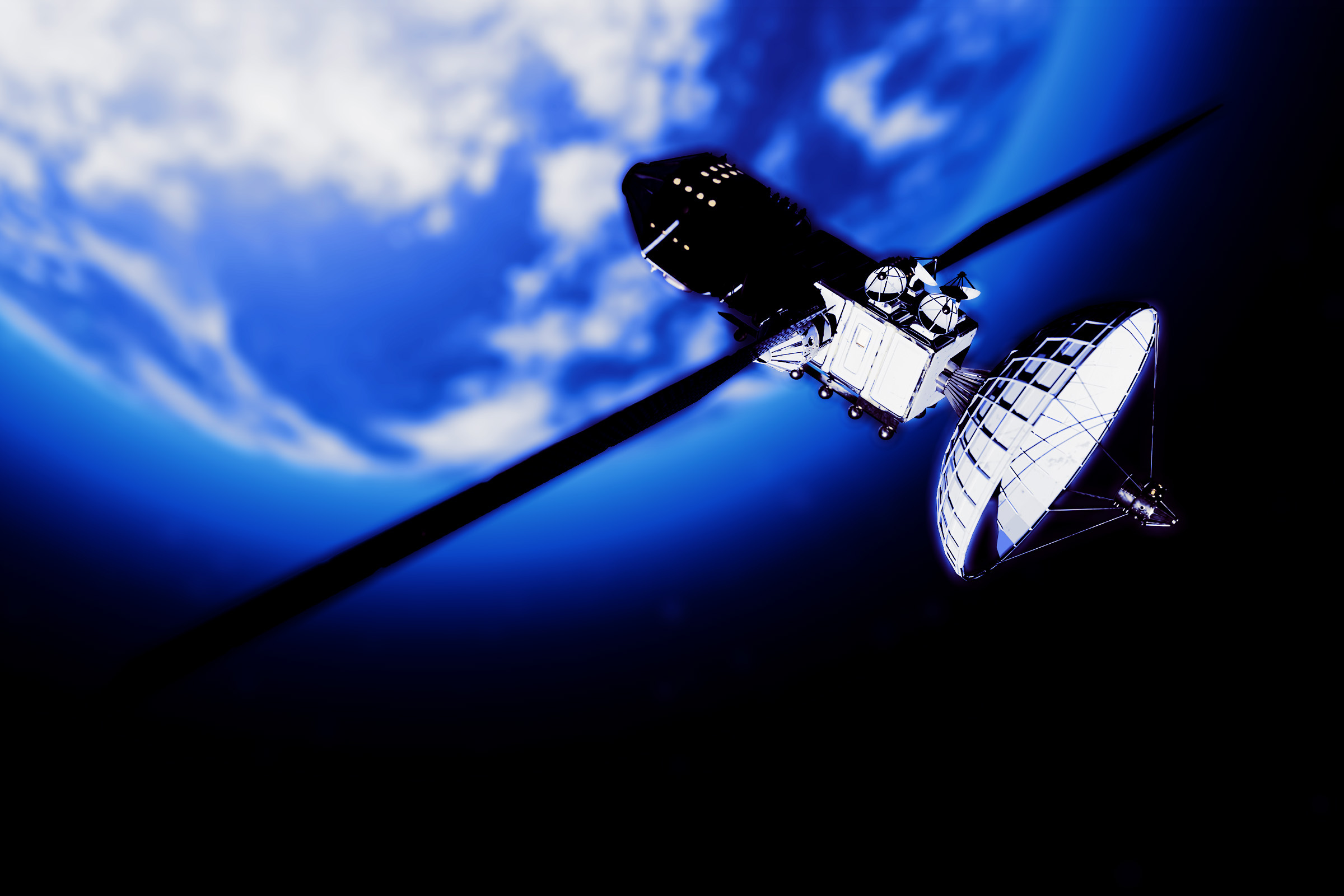
Constant space launches are raising alarms among scientists, who warn that the increasing number of satellites and rocket debris is transforming Earth’s atmosphere into a “crematorium.” This stark assessment comes from a group of astronomers and atmospheric scientists in an essay published in The Conversation, highlighting the potential consequences of populating low Earth orbit with tens of thousands of expendable satellites.
The authors argue that satellites have become emblematic of a throwaway culture. Prominent companies, including Elon Musk’s SpaceX, design their satellites with a lifespan of just a few years. Once their operational life ends, these satellites are intended to push themselves out of orbit and incinerate upon atmospheric re-entry. While this method may seem efficient in theory, the authors caution that it could lead to the release of harmful particulates into the atmosphere.
Potential Environmental Impact of Space Debris
A recent study has shown that satellites re-entering the atmosphere emit various metals, including copper, lead, and aluminum particles known as alumina. Additionally, rockets, such as the upper stage of the SpaceX Falcon 9, have been linked to the release of toxic lithium during re-entry. A particularly concerning study speculates that the influx of metal particles could trigger a chain reaction detrimental to the ozone layer.
“This is just a fraction of what is to come if planned megaconstellations go ahead — and SpaceX is far from the only player,” the authors warned.
Currently, there are approximately 15,000 active satellites orbiting Earth, with SpaceX managing over 9,000 of them. The company recently submitted a proposal to the US Federal Communications Commission to launch an additional one million satellites as part of Musk’s vision for AI data centers in space. Other satellite operators have also requested a combined total of one million satellites, illustrating the ambitious plans within the space industry.
If these ambitions materialize, the implications could be severe. The scientists estimate that one million satellites might lead to the accumulation of around one billion kilograms of alumina in the atmosphere. They warn that this, combined with emissions from rocket launches, could significantly alter atmospheric chemistry, leading to unpredictable consequences.
The Threat of Space Junk
The growing accumulation of debris in low Earth orbit poses a dual threat. Experts caution that collisions between space junk could spiral out of control, potentially resulting in a scenario known as Kessler syndrome. This catastrophic event could transform Earth’s orbit into a hazardous region, impeding future spaceflight for decades.
Moreover, falling debris from satellites presents risks on the ground. The Federal Aviation Administration has indicated that by 2035, roughly 28,000 fragments from Starlink satellites could survive re-entry each year. This increases the likelihood of injuries or fatalities from space debris to 61 percent annually.
The astronomers also highlight that an increase in satellite constellations could obstruct deep space observations. They note, “For scientists, observing the deaths of stars and searching for new planets would become much harder. Stargazing, astrotourism, and cultural astronomy would similarly be disrupted worldwide.”
In light of these concerns, the authors advocate for global regulation to manage space launches. They propose the establishment of a regulatory body that, with the input of astronomers, would define a “safe atmospheric carrying capacity” for satellite launches and re-entries. This body would also facilitate research to better understand the atmospheric impacts of spacecraft.
With the potential for significant environmental and safety implications, addressing the growing challenge of space debris is crucial for the future of both space exploration and life on Earth.