Research conducted by a team led by Kriskamol Na Jom at Kasetsart University has provided new insights into the fermentation process of Nam Hom coconut cider. The study, published in Beverage Plant Research on March 17, 2025, highlights how different yeast strains can significantly influence the aroma, flavor, and bioactive compounds of this beverage.
The fermentation process involves converting sugars from the coconut water into alcohol and aromatic compounds. This transformation not only extends the shelf life of the product but also creates a low-alcohol drink with appealing sensory qualities. Given that Nam Hom coconut water is known for its naturally sweet and aromatic profile, the study’s findings may enhance its commercial potential.
Understanding Fermentation Dynamics
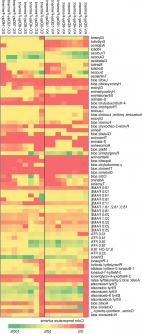
The research team employed a comprehensive methodology that combined physicochemical monitoring with large-scale metabolomics and flavoromics. By tracking the fermentation of Nam Hom coconut cider inoculated with two commercial yeast strains, K1-V1116 and EC-1118, the researchers were able to identify distinct stages of the fermentation process. Their analysis revealed that fermentation can be divided into three stages: pre-fermentation, in-process, and final product.
Principal component analysis demonstrated that the fermentation process accounted for 83.76% of the total variance, allowing the researchers to map out the dynamic changes occurring throughout. They detected 152 metabolite peaks, of which 64 were identified, alongside 16 volatile flavor compounds. These findings elucidate the relationships between sugars, amino acids, lipids, and alcohol content during fermentation.
Throughout the fermentation, both yeast strains exhibited similar kinetics. The levels of Brix and reducing sugars consistently declined, while the pH decreased slightly, indicating increased acidity. Notably, the alcohol content rose significantly, reaching approximately 7–8%, typical for ciders, without any signs of lactic acid bacterial contamination.
Flavor Profiles and Bioactive Compounds
The study further highlighted the role of specific metabolites in shaping the final flavor profile of the cider. Initial samples, taken on day zero, showed high sugar levels, while mid-fermentation samples were associated with amino compounds released by the yeast. The final product was characterized by fruity volatiles, particularly ethyl esters like ethyl octanoate and ethyl 9-decanoate.
Metabolomic analysis revealed a progressive depletion of sugars into ethanol and downstream metabolites, with glycerol increasing as a byproduct of yeast activity. This clean fermentation process also stabilized citric and lactic acids, with a slight rise in malic acid.
Importantly, the study found that amino acids such as leucine and isoleucine increased in both fermentations, aligning with metabolic cycles that are crucial for flavor development. The lipid analysis indicated a decrease in fatty acid methyl esters, yet a rise in free fatty acids, particularly lauric and stearic acids, was observed, especially in K1-V1116 fermentations.
The flavoromics aspect of the research confirmed that esters are the primary aroma drivers, with the EC-1118 strain yielding a more pronounced fruity profile due to a higher abundance of ethyl esters.
The correlation networks established in the study demonstrated strong links between sugars, ethanol, and esters, as well as between amino acids and flavor compounds. This information paves the way for coconut cider producers to refine their products by selecting specific yeast strains and controlling fermentation processes.
The findings provide practical guidance for enhancing the quality of coconut cider. Both yeast strains proved effective for fermentation, though they offered distinct advantages. K1-V1116 was found to enhance aroma and ester production, making it ideal for fruity profiles. In contrast, EC-1118 supported cleaner fermentations, emphasizing the raw coconut’s characteristics.
By leveraging these insights, producers can tailor their fermentation processes to achieve desired flavor profiles while preserving beneficial bioactive compounds. This research not only enriches the understanding of coconut cider production but also opens new avenues for value-added coconut beverages in the market.