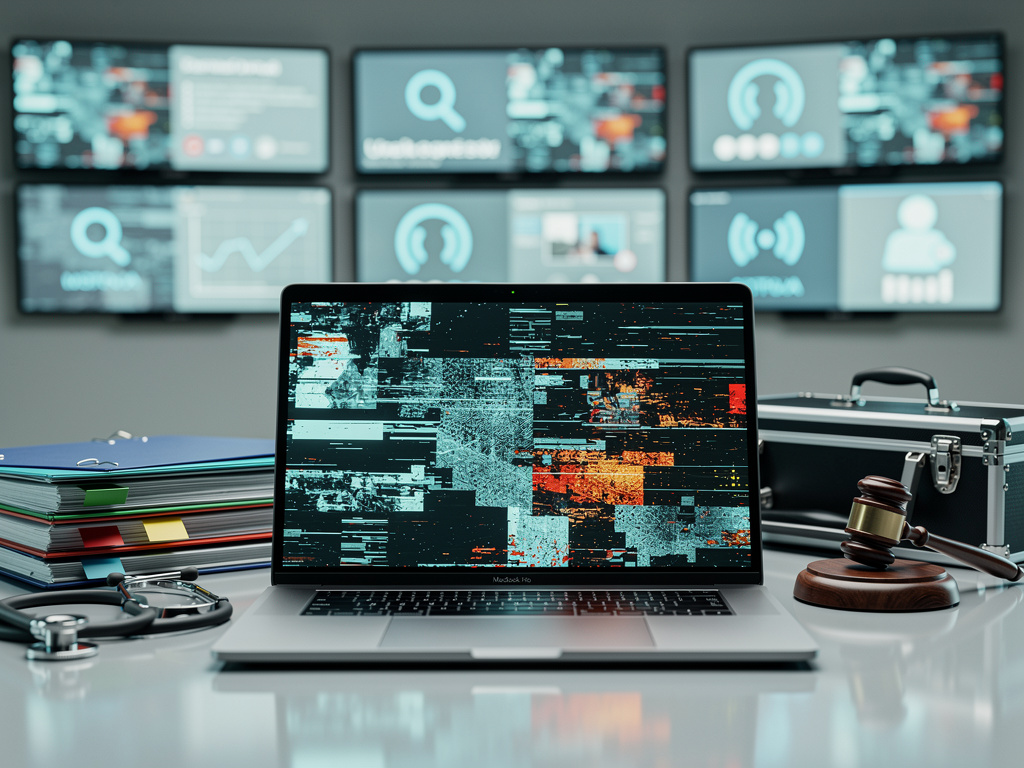
In the evolving landscape of virtual communication, a recent study from Cornell University reveals that technical glitches during video calls can significantly undermine trust and influence decision-making across various sectors. Published in the journal Nature, the research highlights how even brief disruptions, such as audio delays or frozen screens, evoke feelings of discomfort that can lead to negative evaluations in critical scenarios, including job interviews, health consultations, and legal proceedings.
The study found that participants experiencing video call glitches rated others as less trustworthy, competent, and likable. For instance, in simulated job interviews, candidates with disrupted connections received favorable hiring recommendations 20% less often, despite identical responses. Additionally, archival data showed that inmates appearing in parole hearings via glitchy video faced a 15% reduction in chances of release, further emphasizing the implications of these technological issues.
Understanding the Psychological Impact
Delving into the psychological underpinnings, the research connects technical glitches to feelings of “uncanniness,” a sensation akin to encountering a lifelike but imperfect robot. According to Malia Mason, a professor at Columbia Business School and co-author of related studies, our brains are wired to detect inconsistencies in human behavior—a trait honed over millennia for survival. When video feeds lag or stutter, they activate the same neural pathways as encounters with potentially deceptive entities.
In the realm of telehealth, these findings raise concerns as well. Doctors interacting with patients experiencing glitches often misinterpret their reliability, leading to potential misdiagnoses. Data indicates that providers were 18% more likely to discount patient concerns during glitch-affected consultations, jeopardizing health outcomes.
Broader Implications in Justice and Employment
The ramifications extend into sensitive areas such as the criminal justice system. Analysis of virtual parole hearings revealed that inmates appearing with technical issues were often perceived as evasive, impacting board decisions adversely. Reports from outlets like NPR highlight how these glitches exacerbate existing inequalities, disproportionately affecting individuals from rural or low-income backgrounds who face unreliable internet access.
In professional settings, anecdotal evidence supports these findings. Many tech workers in Silicon Valley report that poor connections during interviews overshadow their qualifications, leading to rejections based on perceived glitches rather than merit. A software engineer shared on social media platform X (formerly Twitter) how a frozen screen during a final interview resulted in an immediate rejection, despite a strong resume.
As remote work becomes more entrenched in corporate culture, the bias stemming from video call glitches intersects with broader equity discussions. Studies indicate that women and minorities, already facing evaluation biases, may suffer more from the negative impressions created by technical disruptions.
Industry Responses and Future Considerations
The technical foundation of video platforms plays a crucial role in these issues. Compression algorithms prioritize efficiency, often resulting in pixelation and desynchronized audio. In response, companies like Zoom have invested in AI-driven error correction to minimize glitches during calls. Similarly, Microsoft Teams has introduced features such as “glitch detection alerts” to preemptively notify users of potential technical issues.
Despite these advances, experts emphasize that technological fixes alone may not fully mitigate subconscious biases. As highlighted in research from Columbia Business School, redesigned interfaces that reduce visual disruptions could be necessary for fostering trust in virtual interactions.
Policymakers are also taking notice. The Digital Services Act in the European Union aims to establish standards that minimize glitches during official proceedings, while U.S. lawmakers are examining similar measures for federal telehealth reimbursements.
Looking to the future, innovation in the field continues to accelerate. Startups like Polyhedra are developing blockchain-verified video streams to enhance authenticity, while established companies explore immersive technologies that promise to reduce latency and enhance user experience.
As society navigates the digital divide, it is crucial to address these disparities head-on. Organizations are already adopting best practices, such as recommending backup audio-only options for interviews to alleviate the impact of visual glitches. Public campaigns aim to educate users on optimizing their setups to ensure better connectivity.
The findings from Cornell University not only shed light on the technical shortcomings of virtual communication but also underscore the human vulnerabilities exposed by these challenges. By acknowledging and addressing the impact of glitches in digital interactions, society can work toward creating a more equitable virtual environment where connectivity does not dictate outcomes.