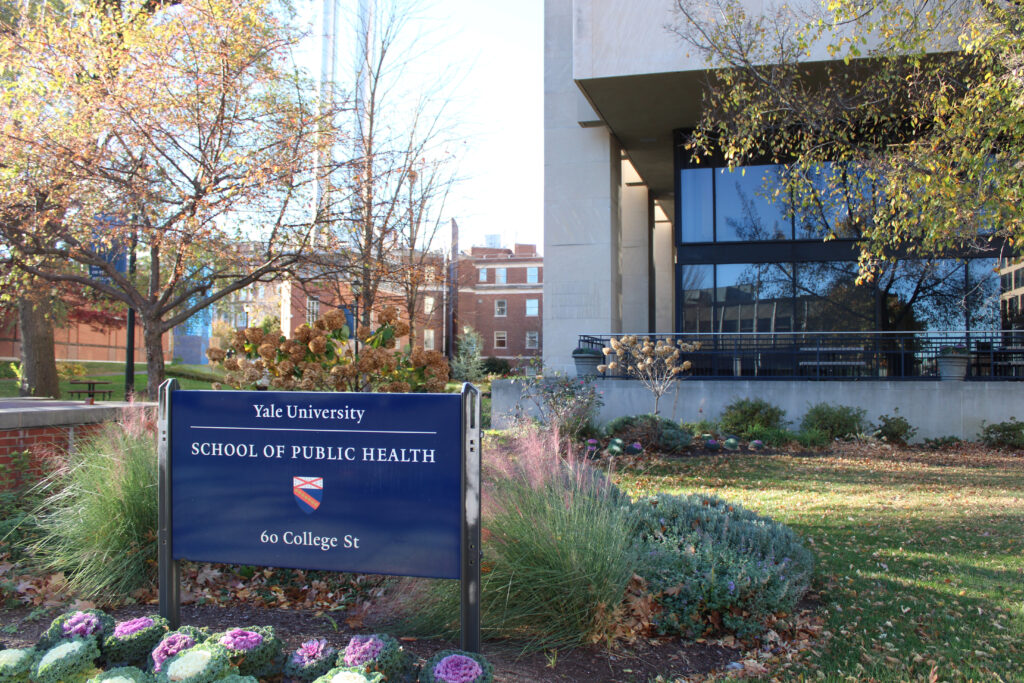
The Yale School of Public Health has announced a new student loan option aimed at assisting borrowers affected by recent changes to federal loan programs. This initiative follows a significant alteration in federal funding, specifically the discontinuation of the Grad PLUS loan program, which will take effect on July 1, 2024, under the One Big Beautiful Bill Act.
In a social media post dated December 9, 2023, the school detailed its commitment to provide loan terms that are “comparable, if not more competitive, loan terms compared to previous Grad PLUS loans.” The post emphasized the initiative’s goal, stating, “We hope this new program will help our future students succeed during their time at Yale and in their careers as public health professionals.”
The previous Grad PLUS program allowed graduate students to borrow up to the full cost of attendance for their programs. However, the new legislation, signed into law by President Donald Trump last summer, will impose borrowing caps and eligibility changes that are expected to affect millions of borrowers. Students who have already taken Grad PLUS loans will retain the old terms, but new students will not have the same access.
Beginning in the 2026-27 academic year, the Grad PLUS loans will be unavailable for incoming students at the Yale School of Public Health. The changes mean that without these loans, graduate students will face borrowing limits of $20,500 per year, with a lifetime cap of $100,000. In contrast, professional students will be capped at $50,000 per year with a lifetime limit of $200,000. Notably, the new bill excludes nursing, social work, and public health from its list of professional degrees, which means these lower caps will apply to students in those fields.
The school’s announcement, titled “Yale stepping up to fill federal loan gap,” indicated that additional information and application materials will be available soon. As of now, there have been no further updates from the School of Public Health regarding the specifics of the new loan program.
Additionally, the Yale University community is grappling with the implications of the Trump administration’s alterations to student loan policies. The university is also facing cuts to research funding and an increased tax on its endowment investment returns. In early December, university officials warned of potential layoffs as a measure to address anticipated budget shortfalls.
The introduction of this new loan program represents Yale’s proactive approach to mitigating the impact of federal funding cuts on its students. As the academic landscape continues to shift, institutions like Yale are adapting to ensure that their students have access to necessary financial resources in pursuit of their education and future careers in public health.