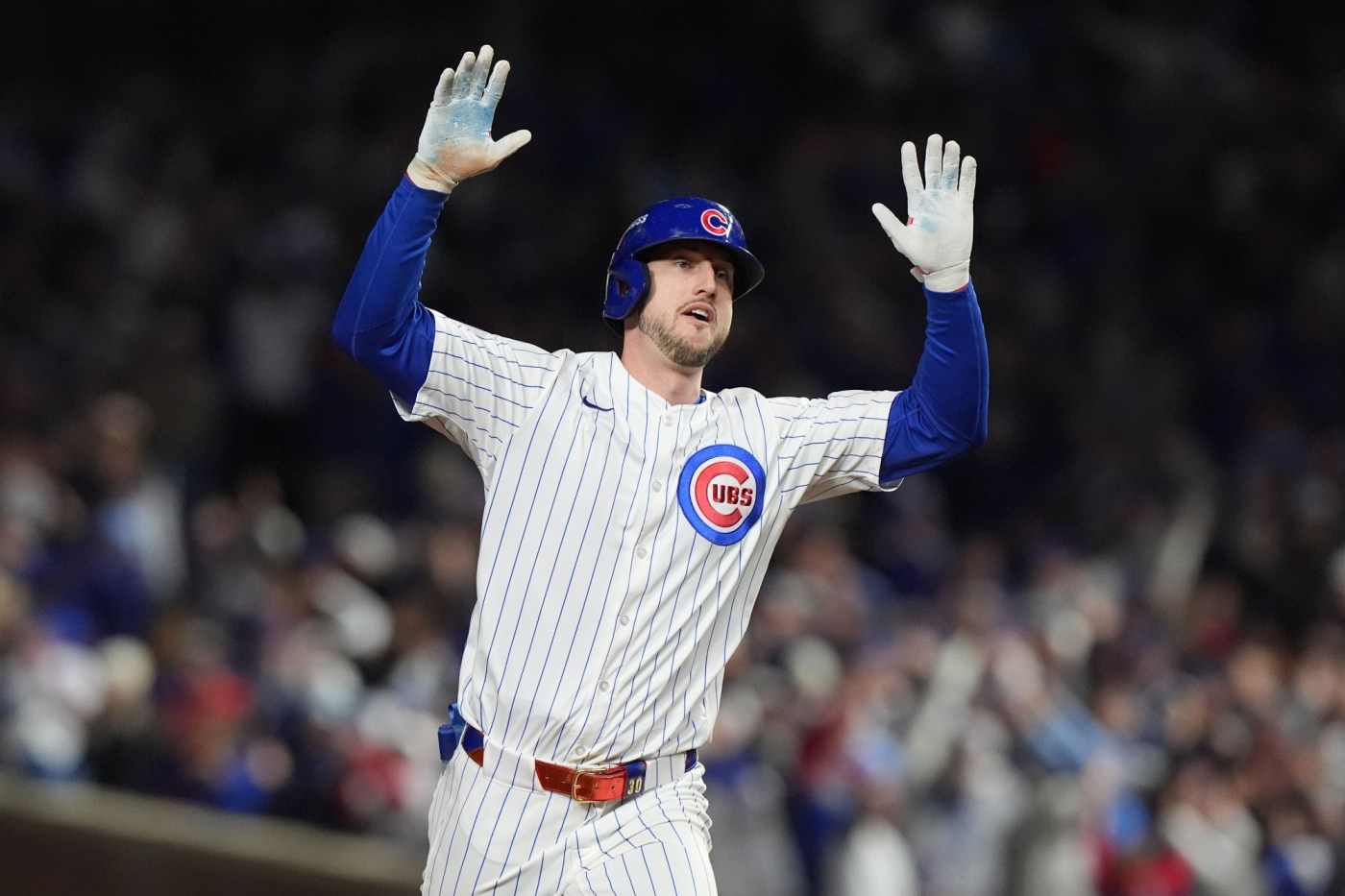
The Los Angeles Dodgers have signed free agent outfielder Kyle Tucker, a move that has reignited discussions surrounding the introduction of a salary cap in Major League Baseball (MLB). The signing, which will become official after the Dodgers make a corresponding roster move, has drawn criticism from fans of other teams who believe the Dodgers are “ruining baseball.”
Critics are particularly vocal on social media, suggesting that this latest acquisition justifies the need for a salary cap. They argue that if a lockout occurs after the 2026 season over this issue, it would be the responsibility of Dodgers’ President of Baseball Operations, Andrew Friedman. This perspective overlooks the complex history of salary caps in MLB, which dates back to the contentious 1994 strike caused by owners’ insistence on a cap.
The strike, which led to the cancellation of the last seven weeks of the regular season and the entire postseason, stemmed from a dispute over revenue sharing and the players’ refusal to accept a salary cap. The subsequent resolution was facilitated by a court injunction that prevented teams from using replacement players, ultimately allowing the 1995 season to commence on time.
The current debate raises questions about the economic model of baseball. Proponents of a salary cap argue that it would create a more level playing field. Yet, many believe the primary beneficiaries would be the wealthy team owners rather than the players or smaller market teams. A cap could also potentially include a salary floor, which would require teams at the bottom of the payroll spectrum to spend a minimum amount. Critics contend that if these teams are not investing now, a salary floor would not significantly change their spending habits.
The Dodgers have become a focal point in these discussions due to their recent success, having won back-to-back championships. Despite this, they have faced challenges in the postseason, being eliminated just a game away from advancing in the playoffs in the past two seasons. The perception of their 2020 World Series victory has also been clouded by criticism, particularly with the unique circumstances of the season being played within a bubble due to the COVID-19 pandemic.
This winter, the Dodgers addressed two critical needs: strengthening their bullpen and securing a corner outfielder following a disappointing signing of Michael Conforto. With the addition of Tucker, a four-time All-Star and a member of the 2022 World Series champion Houston Astros, the Dodgers have made a significant investment in their roster.
While the economic model of baseball faces challenges, particularly highlighted by the recent struggles of Main Street Sports, the Dodgers appear to be in a secure position. Their lucrative contract with Spectrum, worth $320 million annually and lasting until 2037, provides a financial cushion that many teams lack.
Friedman has also made headlines by pursuing a deal with superstar Shohei Ohtani, who was offered a substantial 10-year contract worth $700 million. This move has sparked discussions about the Dodgers’ strategic approach to maximizing profits and player performance.
Dodgers manager Dave Roberts emphasized the team’s commitment to player development and marketing, noting their strong farm system. He stated, “This year I think we probably have the No. 1 or No. 2. We pick at the bottom of the draft every year, and we still have young guys, whether by way of trade or development, that continue to help contribute.”
Friedman echoed this sentiment, highlighting the importance of creating an organization that attracts top talent and fosters player development. “I think there’s a lot that goes into it… when you can do that and do it well, you tend to win more games,” he said.
As the Dodgers continue to make headlines with their financial decisions, the debate over a salary cap in baseball is likely to persist. Whether or not it will lead to a more equitable league remains to be seen, but it is clear that the Dodgers will continue to be at the center of these discussions.