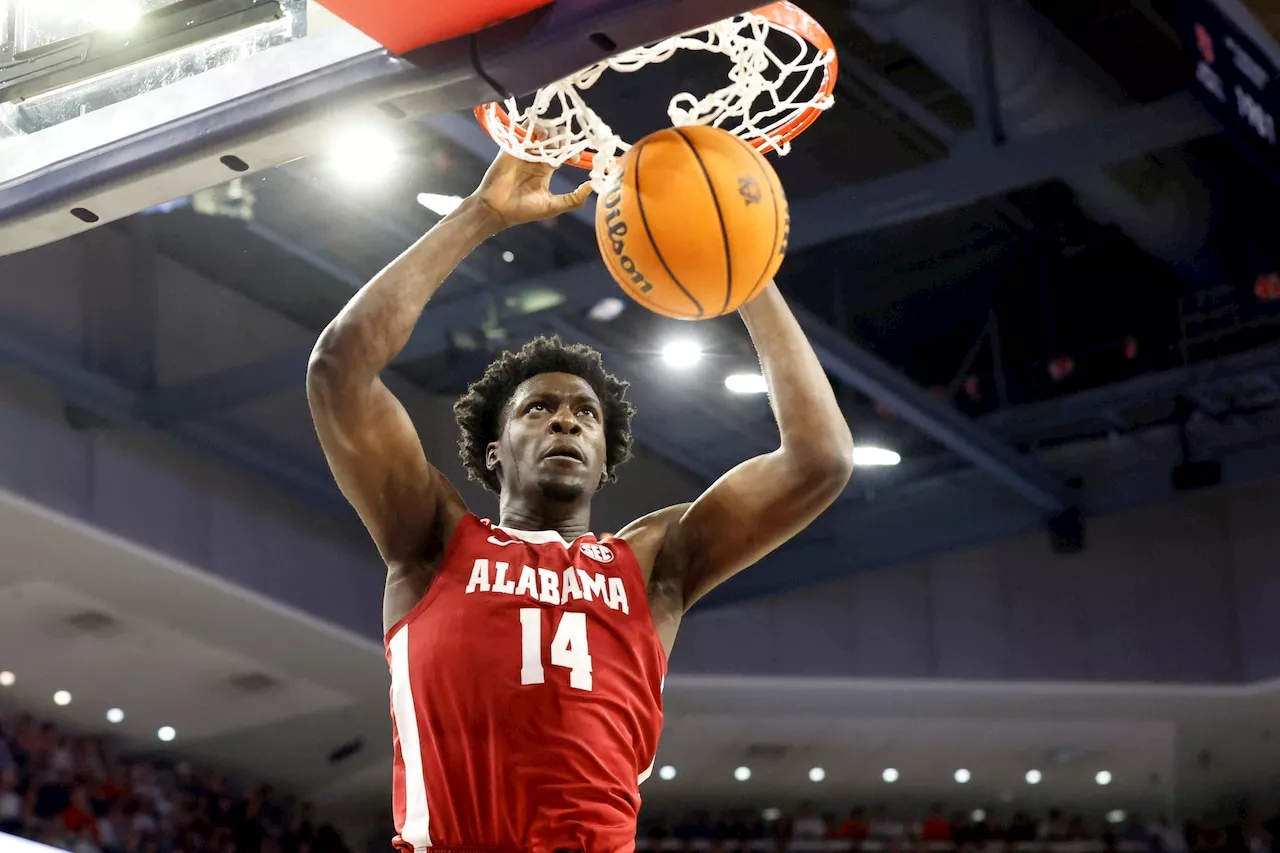
The NCAA’s Vice President of Basketball, Dan Gavitt, has issued a statement regarding the ruling on the eligibility of Alabama forward Charles Bediako. This development comes in light of Bediako’s recent return to college basketball after spending time in the NBA G-League, making it one of the most discussed topics in the sport this week.
Bediako’s situation reflects the ongoing evolution of NCAA eligibility rules, particularly concerning student-athletes’ interactions with the NBA draft process. Following a lawsuit, Bediako has regained his college eligibility, which has raised questions about the implications for both athletes and the NCAA.
Clarifications on NCAA Draft Rules
According to Gavitt, the NCAA membership updated its rules several years ago to allow student-athletes to gather information while deciding whether to enter the NBA draft or return to college. Under these rules, players can request evaluations from the NBA Undergraduate Advisory Committee without losing their eligibility. They may also participate in the NBA Draft Combine, with the added benefit of having agents certified by the National Basketball Players Association and the NCAA cover meal and transportation costs during the selection process.
Importantly, players have until 10 days following the NBA Draft Combine to decide whether to remain in the draft or return to NCAA basketball. A key stipulation is that any player who opts to remain in the draft forfeits their college eligibility, creating a high-stakes environment for those involved.
Gavitt emphasized the importance of maintaining these rules to ensure stability for student-athletes, the institutions they represent, and the NBA. He stated, “If these rules surrounding the NCAA pre- and post-NBA draft eligibility cannot be enforced, it would create an unstable environment for the student-athletes.” This statement reflects the NCAA’s commitment to a structured and fair process for all participants.
Impact on College Basketball
The ruling regarding Bediako is particularly significant for the Alabama Crimson Tide as they prepare for their upcoming season. The forward’s return could be a pivotal factor in the team’s performance, and his eligibility status has drawn considerable attention from fans and analysts alike.
As the situation unfolds, it remains clear that the NCAA’s approach to draft eligibility is under scrutiny, especially in light of recent court challenges. This ongoing dialogue highlights the complexities of balancing the ambitions of student-athletes with the regulatory framework established by the NCAA.
In conclusion, the implications of Bediako’s case extend beyond just one player; they touch on the broader issues of NCAA governance and the future of college basketball. As the landscape continues to evolve, stakeholders will undoubtedly keep a close eye on how these rules are enforced and their impact on the sport as a whole.