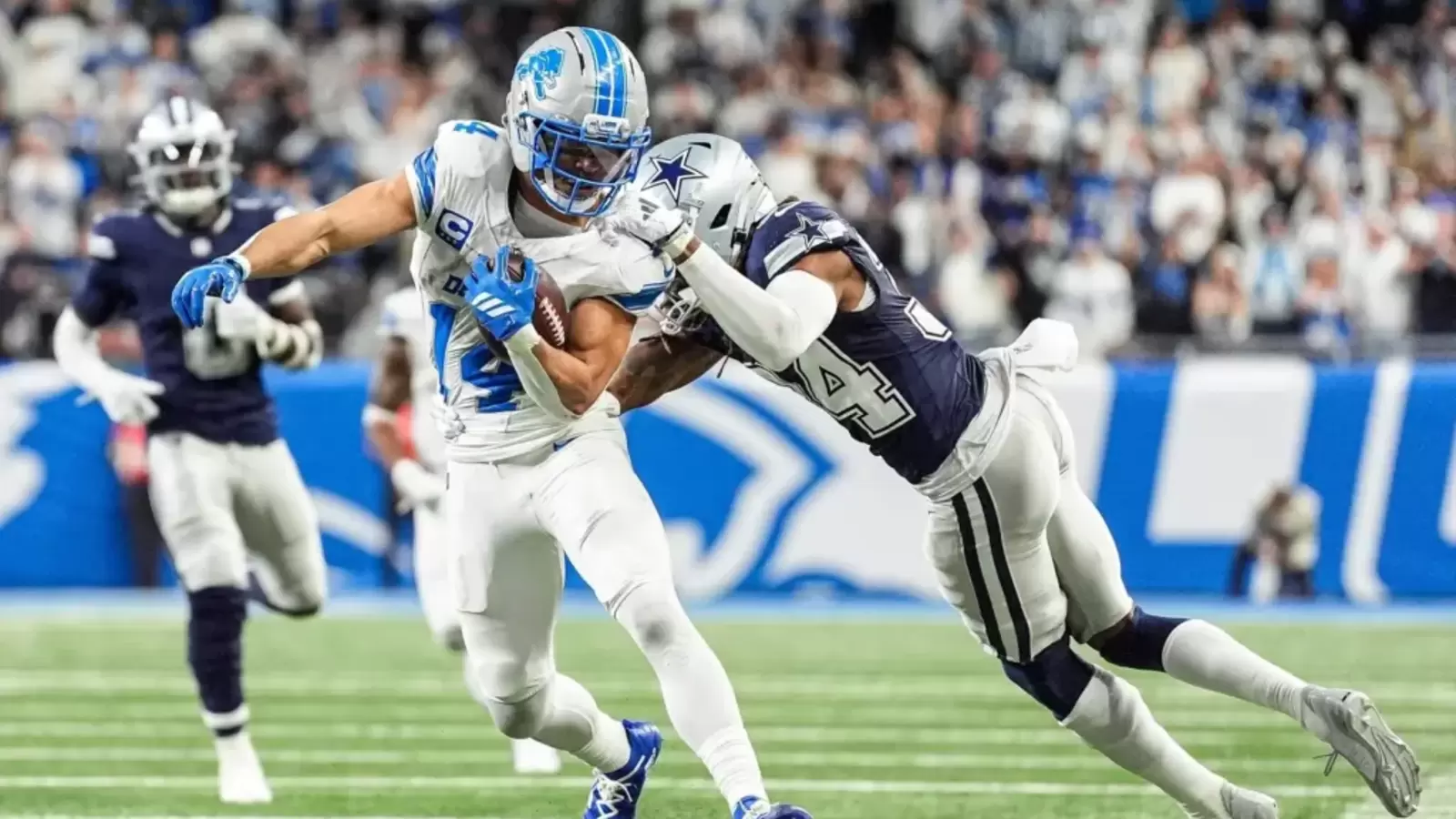
The National Football League (NFL) is facing intense scrutiny following a contentious matchup between the Dallas Cowboys and the Detroit Lions on October 26, 2023. The game, broadcast on Thursday Night Football, featured a series of officiating decisions that left many questioning the integrity of the referees and suggesting a bias in favor of the Cowboys.
Fans and analysts alike noted that the officiating appeared to heavily favor the Cowboys throughout the game, contributing to what many perceived as a lack of fairness. In the first quarter, a pivotal moment arose when Cowboys quarterback Dak Prescott was sacked in his own end zone. Many believed this should have resulted in a safety for the Lions, awarding them two points. However, after an official review, the call was overturned, leading to widespread disbelief among viewers and Lions supporters.
Despite the questionable officiating, the Cowboys capitalized on missed calls that seemed to disadvantage the Lions. A blatant false start by the Cowboys went unpenalized, resulting in a significant loss of momentum for Detroit, which was forced to punt instead of gaining a crucial advantage. This pattern of “missed” calls continued, prompting frustration and anger from Lions fans, who felt their team was being robbed of a fair chance to compete.
Social media erupted with accusations of favoritism towards the Cowboys. Fans highlighted a troubling trend of favorable calls that seemed to emerge consistently during games involving Dallas. One user on X (formerly Twitter) remarked, “Cowboys getting the Chiefs treatment from refs tonight.” Another commented, “These refs got some cash on the Cowboys.” Such statements reflect a growing sentiment that officiating errors could be more than mere coincidence. The criticism reached the level of former Super Bowl champion Chase Daniel, who questioned the legitimacy of the calls, heightening concerns about officiating standards in the league.
The question of whether the NFL benefits from promoting the Cowboys as a successful franchise lingers in the background. While some argue that the league garners high viewership regardless of the Cowboys’ performance, others contend that a Dallas team making a deep playoff run creates a compelling narrative. This storyline, which resonates with fans, could be advantageous for the NFL’s marketing efforts.
The perception of bias in officiating has serious implications for the NFL. If fans begin to believe that games are predetermined, it undermines the very essence of competition and diminishes the excitement of each matchup. The integrity of the league is at stake, as consistently questionable calls risk alienating devoted supporters.
As the NFL navigates this controversy, it faces a critical decision: how to restore faith in its officiating processes. The league must address these concerns to ensure that fans, players, and stakeholders feel confident in the fairness of the games. The Dallas Cowboys, while a historic franchise, should not be allowed to overshadow the integrity of the sport itself. Without action, the NFL risks transforming its product into a source of ridicule rather than the beloved competition it strives to be.