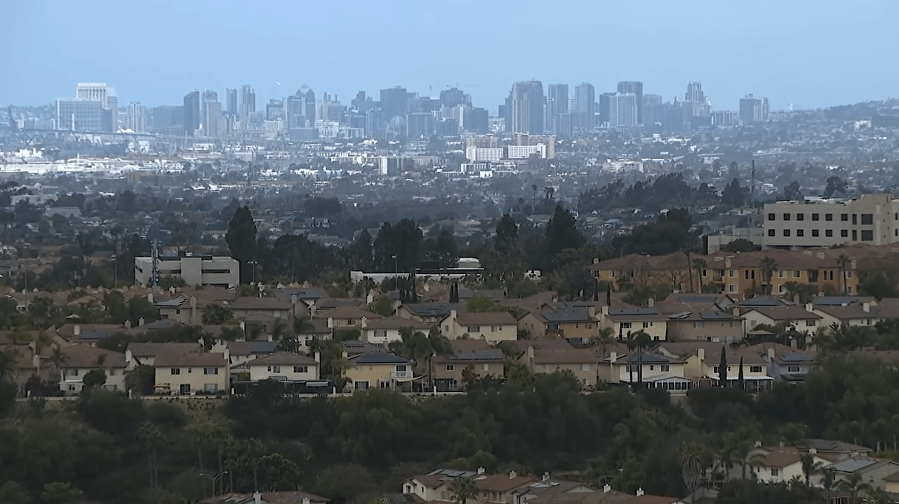
The San Diego City Council is set to vote on a proposed tax aimed at homes that remain unoccupied for the majority of the year. If passed by voters, this measure could generate an estimated $12 million to $23 million in 2027. The council’s decision comes amid ongoing discussions about addressing housing shortages and the need for increased city revenue.
The tax proposal targets residences that are not actively rented or occupied, reflecting a growing concern over the number of vacant properties in the city. Advocates argue that the measure could incentivize owners to either rent out their homes or sell them, thereby increasing the availability of housing units in a tight market. The potential revenue could also be utilized to fund affordable housing initiatives and other community programs.
Supporters of the tax maintain that it is a necessary step in combating the housing crisis faced by many residents. According to city officials, San Diego has seen a significant rise in housing costs, making it increasingly difficult for families and individuals to find affordable options. The proposed tax is seen as a way to both raise funds and encourage property owners to make better use of their vacant homes.
Opponents of the measure express concern that such a tax could disproportionately impact homeowners who may have valid reasons for keeping their properties vacant, such as ongoing renovations or personal circumstances. They argue that the council should consider alternative solutions to address the housing shortage without penalizing property owners.
As the San Diego City Council prepares for the vote, community members and stakeholders are closely monitoring the discussions. The outcome could have significant implications for the local housing market and the city’s overall financial health.
The council’s meeting is scheduled for March 15, 2024, and public input has already begun to shape the conversation around this important issue. With the potential for substantial revenue generation, the proposed tax on vacant homes is not just a financial matter but a critical component in the ongoing dialogue about housing accessibility in San Diego.