As winter settles in across Southern California, it’s time for gardeners to engage with their plants. This week, attention turns to a variety of tasks including harvesting ripe citrus, planting Jerusalem artichokes, and caring for hardy herbs and ornamental plants.
Harvesting Citrus Fruits
Many citrus varieties reach their peak ripeness during the winter months. Among these, the cocktail grapefruit, a hybrid of a mandarin and a pomelo, stands out for its sweetness. Despite its grapefruit appearance, the fruit is exceptionally juicy but contains numerous seeds, making it more suitable for juicing than eating directly. Other citrus fruits that are ripe for picking include Satsuma and Kisha mandarins, along with navel oranges, notably the red-fleshed Cara Cara variety.
Gardeners should remember that the longer citrus fruits remain on the tree, the sweeter they become. To maintain freshness after harvesting, it’s advisable to refrigerate the fruit immediately.
Planting and Harvesting Vegetables
This season also marks the readiness of Jerusalem artichokes, commonly known as sunchokes, for harvest. These tubers, which are not true artichokes nor originally from Jerusalem, are actually a type of sunflower (Helianthus tuberosus) native to various regions of the United States. The plant can yield up to 200 tubers in a single year and is versatile in the kitchen, allowing for various cooking methods such as frying, boiling, or roasting.
Surprisingly vigorous, Jerusalem artichokes can grow to heights of up to seven feet and can even serve as a hedge in gardens. Additionally, now is an opportune time to plant them, as they can be sown at any point during the year.
Keeping Herbs and Ornamentals Thriving
Hardy herbs like parsley showcase their resilience, withstanding temperatures as low as 10 degrees Celsius. The intricate, lobed leaves of parsley, along with celery, often give an impression of delicacy, yet both can thrive in colder climates. Onions, garlic, and chives also demonstrate similar hardiness, ensuring they flourish throughout the winter.
Kale and Swiss chard are other leafy greens that typically become sweeter when exposed to cold temperatures, enhancing their flavor profile.
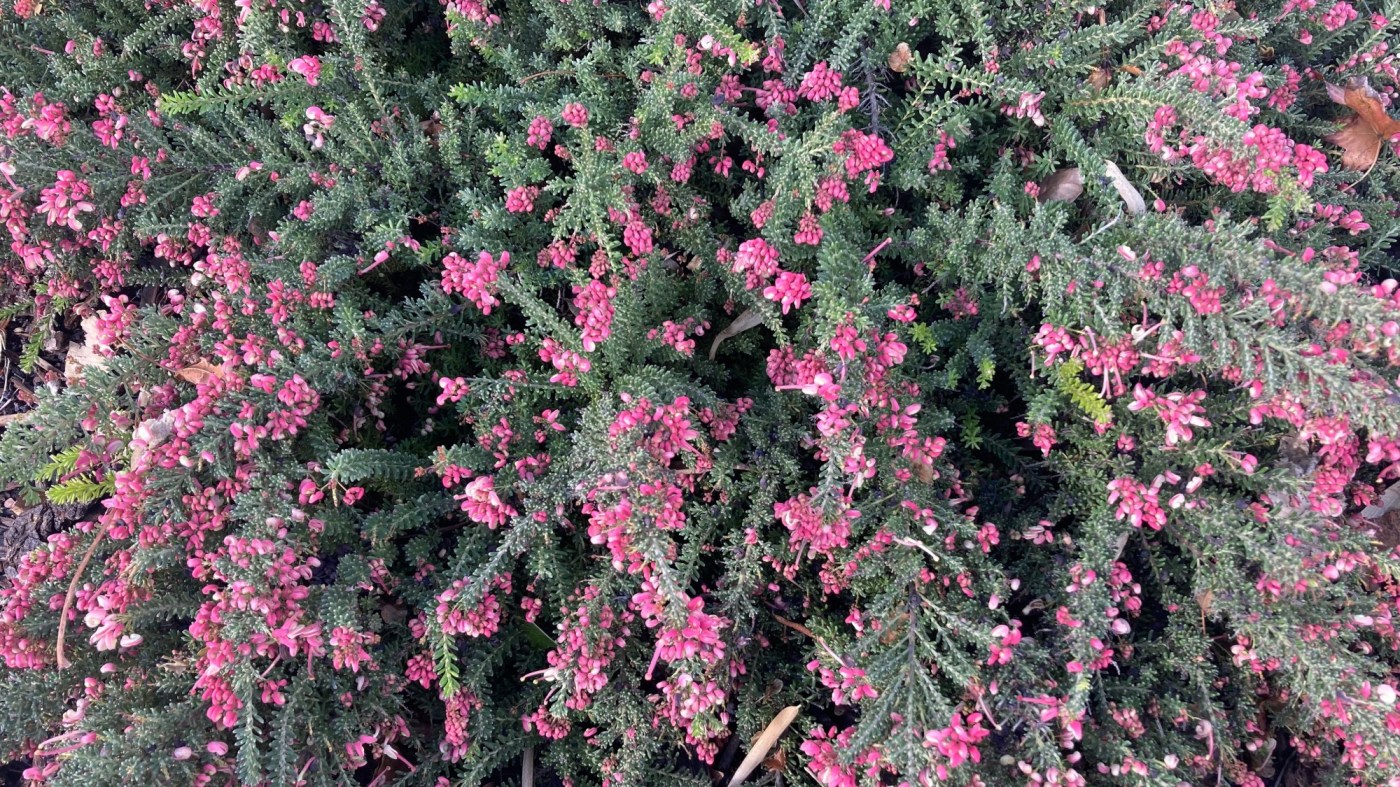
Among ornamental plants, the Grevillea genus, recognized as a classic Australian native, is currently in bloom. Specifically, the woolly grevillea (Grevillea lanigera) features unique foliage that eventually turns gray due to the presence of foliar hairs. These hairs insulate the plant from heat, enabling it to withstand periods of drought, although it can benefit from regular watering.
The woolly grevillea can grow into a six-foot shrub, while the Prostrata variety remains more compact, growing to only two feet tall but spreading to four feet in width.
Caring for Houseplants
To ensure houseplants thrive during the winter months, it’s recommended to rotate them a quarter turn each week. This practice allows sunlight to reach all sides of the plant equally, promoting a more symmetrical growth pattern. For those looking to keep their plants compact, pinching back new growth is essential.
If plants appear leggy or stunted due to insufficient light, enhancing illumination with LED lights can provide much-needed support. Gooseneck LED lamps are particularly useful for desk plants, ensuring they receive adequate light.
By focusing on these tasks, gardeners can create a flourishing environment despite the chill of winter, reaping the rewards of their efforts in the coming months.