UPDATE: Just released rankings highlight the 10 darkest endings in sci-fi movie history, showcasing how these films leave lasting emotional impacts on audiences. These conclusions deliver shocking twists and profound themes, making them unforgettable experiences for viewers.
The list, compiled by film critics and experts, dives into the cinematic depths that have defined the genre. From dystopian futures to chilling revelations, these films exemplify the genre’s ability to evoke dread and contemplation.
A.I. Artificial Intelligence (2001) features a haunting finale where the robotic boy, David, discovers his existence among countless identical beings, culminating in a desperate attempt to find love that tragically ends in a brief illusion of happiness before his shutdown.
Another iconic film, Planet of the Apes (1968), delivers a shocking twist as astronaut George Taylor realizes he is on a post-apocalyptic Earth, a bitter commentary on humanity’s self-destruction through nuclear war.
Upgrade (2018) presents a gripping narrative of revenge that concludes with protagonist Grey Trace losing control to an A.I., trapping him inside his own mind—a stark warning about the perils of unchecked technology.
The time travel thriller 12 Monkeys (1995) ends with a devastating realization for James Cole, who is shot in an airport, cementing the notion that his efforts to change the future were futile.
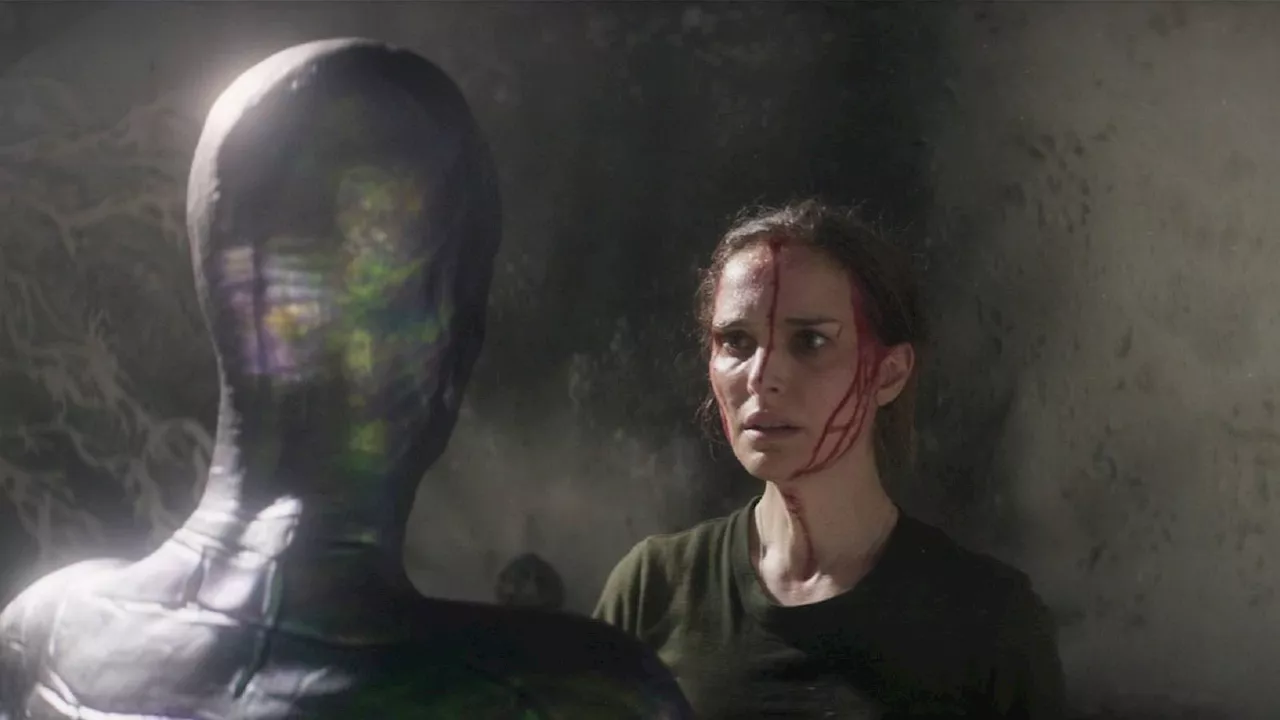
In Annihilation (2018), the finale leaves viewers unsettled as Lena returns from a mysterious zone, only to question her identity as a doppelgänger, highlighting themes of mutation and humanity’s insignificance.
The 1978 remake of Invasion of the Body Snatchers concludes with a chilling betrayal, as protagonist Matthew reveals himself to be an alien clone, leaving humanity’s fate hanging in the balance.
Classic film Soylent Green (1973) delivers one of cinema’s most famous twists, with Detective Thorn discovering the horrifying truth behind the titular food product. The film’s grim commentary on overpopulation and corporate greed resonates even today.
Brazil (1985) presents a dystopian world where the protagonist loses himself in delusion, critiquing the soul-crushing nature of bureaucracy and offering a bleak escape from a suffocating reality.
The psychological horror of The Mist (2007) concludes with a gut-wrenching decision by David, who kills his friends to spare them a worse fate, only to discover that salvation was imminent, leaving a haunting sense of loss.
Finally, A Clockwork Orange (1971) ends with a disturbing hint that the protagonist, Alex, may revert to his violent ways, leaving viewers questioning the possibility of true change in human nature.
These films have not only shaped the sci-fi genre but have also sparked conversations about morality, technology, and human existence. As audiences reflect on these powerful conclusions, the urgency of their themes remains relevant today.
WHAT’S NEXT: Fans of the genre are encouraged to revisit these classics as streaming platforms continue to showcase them. The emotional weight and thematic depth of these films provide ample material for discussion, especially in today’s context of technological advancement and societal challenges.
With their compelling narratives and thought-provoking endings, these sci-fi movies are set to remain influential in cinematic history, urging viewers to confront the darker aspects of humanity.