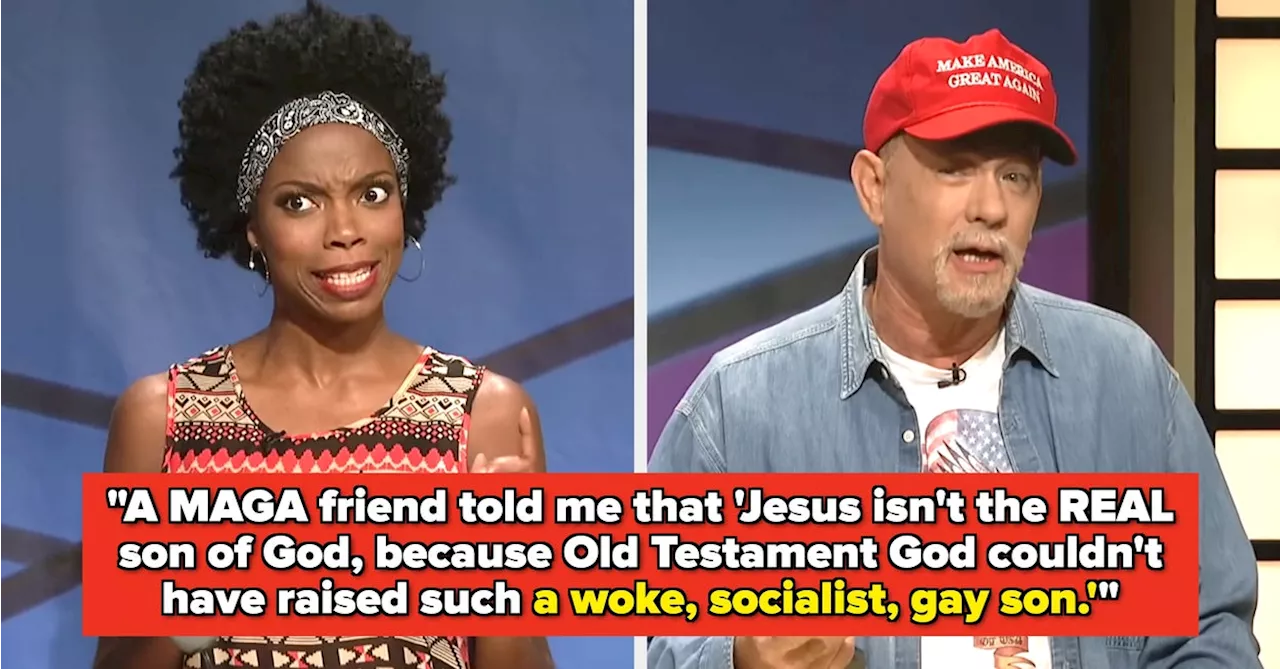
URGENT UPDATE: A shocking collection of 17 outrageous comments from MAGA supporters has surfaced, revealing deep divisions within families and communities. These statements, shared by individuals recounting their experiences, underscore the alarming spread of misinformation and the emotional toll it has taken on relationships across the United States.
In a powerful account, one individual shared, “While I was sobbing, my MAGA mother told me, ‘I think Trump’s going to do something extraordinary.'” This sentiment illustrates the intense loyalty some supporters maintain towards former President Donald Trump, even amidst personal crises.
Another troubling revelation came from a friend who reported, “During the pandemic, a respected person claimed COVID would vanish after the November election.” This highlights the dangerous misinformation that has continued to circulate even as the nation grapples with ongoing health challenges.
Comments about economic struggles also emerged. A truck driver noted that several of his customers lost millions due to Trump’s tariffs. He stated, “A hardcore MAGA coworker shrugged it off, but reality hit when he only worked three days last week.” This reflects the real-world consequences of political beliefs on livelihoods and the economy.
The stories also touch on alarming views regarding public health. One person recounted a MAGA friend who insisted that the COVID vaccine contained a tracking chip. Such claims have fueled skepticism and reluctance toward vaccinations, contributing to broader public health issues.
Moreover, emotional distress was evident in responses to social issues. A woman shared, “After the election, a man told me that ‘Women have enough rights already’” while she feared losing her own rights. This comment exemplifies the chilling effects of political rhetoric on personal freedoms and emotional well-being.
As these stories circulate, they reveal a growing concern among individuals about the impact of extreme political ideologies on family dynamics. Many are left questioning how to navigate relationships with loved ones who hold such vastly different beliefs.
This collection of experiences has sparked discussions online, with many urging others to share their own encounters with MAGA supporters. The urgency of these narratives reflects a critical moment in American society, where misinformation and political loyalty threaten to fracture personal connections.
The conversation continues as more individuals come forward to share their stories. What do these revelations mean for the future of political discourse in America? How can families bridge the widening gap caused by differing beliefs?
As these developments unfold, the public is encouraged to engage in discussions and share their own experiences. The urgency of addressing misinformation and its impacts cannot be overstated.
For further insights and to join the conversation, readers are invited to leave comments or share anonymously about their own encounters with MAGA rhetoric. The need for understanding and dialogue has never been greater.