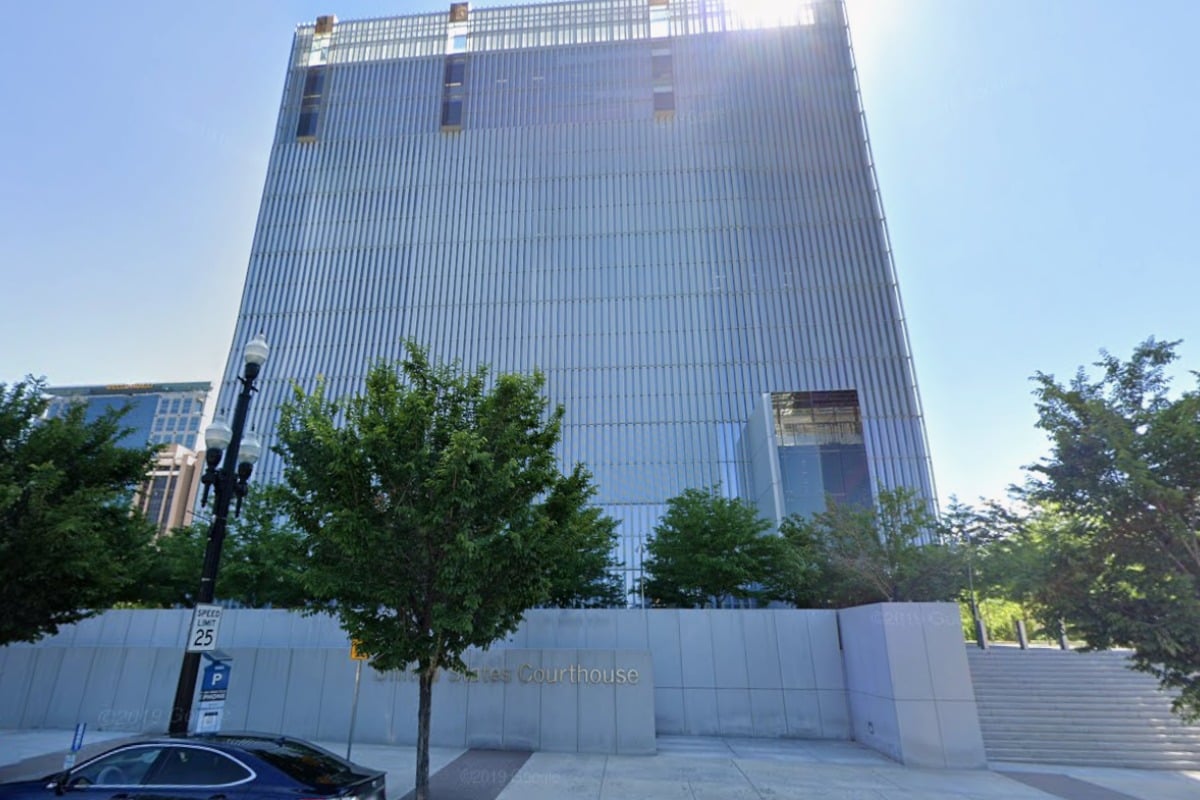
UPDATE: A significant legal battle has erupted in Utah as the ACLU of Utah, the estate of renowned author Kurt Vonnegut, and two high school students have filed a lawsuit against state lawmakers in the U.S. District Court for the District of Utah. This lawsuit targets House Bill 29, which has already led to the removal of numerous books from school libraries across the state, sparking accusations of censorship.
The plaintiffs argue that the book removal rules under HB29 prioritize “scrubbing shelves” over protecting children, claiming the law mandates schools to eliminate any book containing even a single description or depiction of sex, regardless of its literary context. They are calling for the court to declare these provisions unconstitutional under the First and Fourteenth Amendments and demand the return of the removed books to library shelves.
Local reports indicate that 22 books have been flagged for statewide removal under this controversial legislation. Notable titles recently added to the banned list include Gregory Maguire’s Wicked, Stephen Chbosky’s The Perks of Being a Wallflower, and Sarah J. Maas’s A Court of Thorns and Roses series. This situation has incited widespread concern among educators, students, and parents over academic freedom and access to diverse literature.
Lawmakers Stand Firm: In response, supporters of HB29, including bill sponsors Sen. Todd D. Weiler and Rep. Ken Ivory, have defended the law as a necessary measure to shield children from explicit material. Sen. Weiler expressed disappointment over the lawsuit, stating it promotes harmful content in schools, while Rep. Ivory described the law as a transparent process for local educators.
The plaintiffs have named several defendants in the case, including the Utah attorney general and various school districts. They assert that the law’s sweeping provisions unjustly target award-winning literature without considering age-appropriateness or educational context, rendering it unconstitutionally overbroad.
As the lawsuit unfolds, it has garnered national attention, with publishers and advocacy groups highlighting it as part of a broader free speech struggle occurring in various states. The involvement of Vonnegut’s estate has amplified scrutiny on the case, raising fears that HB29 could inspire further bans across the nation.
Next Steps: The court proceedings will determine the balance between protecting students from inappropriate content and preserving their right to access constitutionally protected literature. The ACLU’s legal filings outline specific claims and remedies they seek, setting the stage for a pivotal legal showdown in the coming months.
As this urgent case develops, it poses critical questions about censorship, educational freedom, and the rights of students and authors alike. Stay tuned for further updates on this evolving legal battle that could impact libraries and classrooms far beyond Utah’s borders.