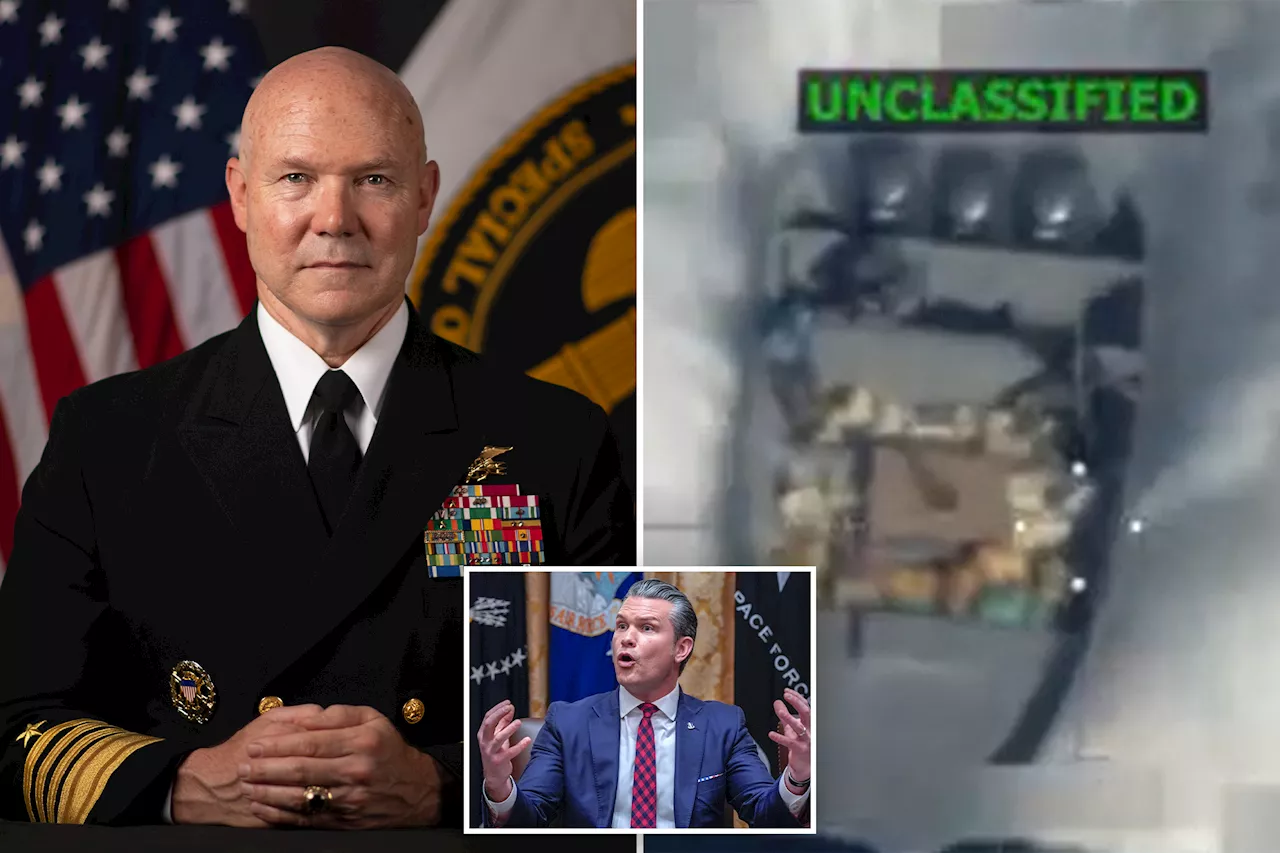
UPDATE: Admiral Frank Bradley is set to brief House and Senate lawmakers today regarding the September 2 strikes in the Caribbean Sea that resulted in the deaths of 11 people. This urgent briefing follows investigations into the military operation, which has raised critical questions about the treatment of survivors and the rules of engagement.
The White House has indicated strong support for releasing surveillance video of the incident, which could provide essential clarity on the events that transpired during this controversial military action targeting a suspected drug-running boat. Reports suggest that there were survivors, but initial assessments did not indicate any, leaving Admiral Bradley to make a rapid decision on their status—whether they were still a threat or no longer combatants.
Bradley, who commands US Special Operations Command, will explain his reasoning behind ordering the follow-up strikes after the initial missile attack. His decisions have drawn scrutiny, particularly around the ethical implications of engaging potential survivors and the broader context of military operations aimed at countering drug trafficking.
This briefing comes amidst heightened tensions, with President Trump labeling the actions against drug smugglers as acts of war, stating, “they are killing our people… we know where they are.” The administration’s commitment to combating drug trafficking is underscored by ongoing military operations, with over 80 deaths linked to US actions against drug smugglers in the region since the initial September strikes.
Lawmakers are eager to understand the decision-making process that led to the controversial follow-up strikes. Investigations by the House and Senate Armed Services Committees are focused on potential violations of the laws of war and whether the military’s actions were justified under the defined rules of engagement.
As Admiral Bradley prepares to testify, the implications of his statements could shape public perception and influence future military protocols. The investigations are expected to scrutinize the adequacy of training provided to military personnel regarding engagement rules, especially concerning the identification of combatants and handling survival scenarios.
The release of surveillance footage is anticipated to be a pivotal moment in the ongoing inquiry, providing insights that could either support or challenge the narrative surrounding the incident. The findings may result in significant changes to military strategies and policies, emphasizing the need for accountability in operations that involve complex ethical considerations.
As this situation develops, the focus remains on ensuring justice and upholding the values of human rights amid the challenges of modern military engagements. The outcome of today’s briefing could have profound consequences for military operations in the Caribbean and beyond, highlighting the urgent need for clarity in the rules governing combat actions and the treatment of civilians. Stay tuned for updates as this story unfolds.