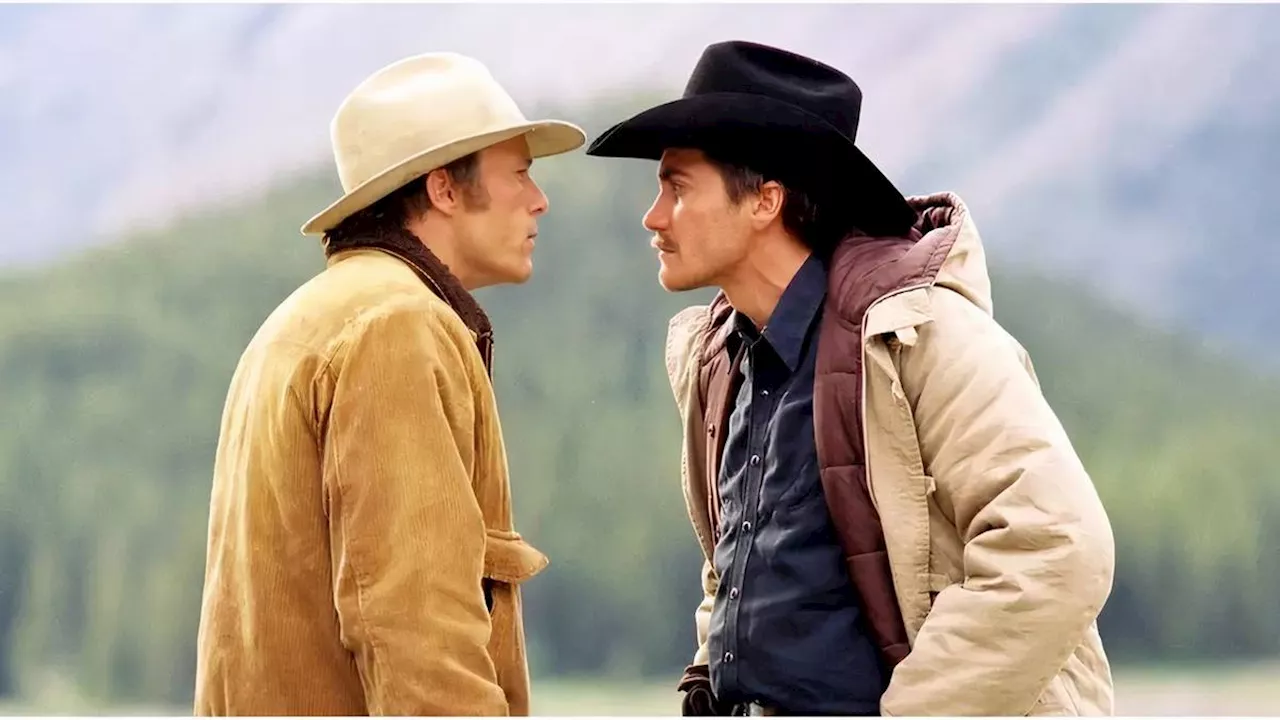
UPDATE: As Brokeback Mountain marks its 20th anniversary, the film’s powerful themes of love and loss continue to resonate. Directed by Ang Lee, the Oscar-winning film premiered on September 2, 2005, and hit theaters on December 9, 2005, capturing audiences with its raw portrayal of a forbidden romance between two cowboys.
The film has profoundly impacted LGBTQ+ representation in cinema, showcasing the struggles faced by its protagonists, Jack and Ennis, played by Jake Gyllenhaal and Heath Ledger, respectively. Set against the backdrop of the vast Wyoming landscape, their relationship unfolds amidst societal expectations and personal turmoil.
Why it matters: Brokeback Mountain is not just a film; it is a cultural touchstone that sparked vital conversations about sexuality and identity. Despite facing backlash upon release, it has evolved into a revered classic, earning nearly $180 million against a $14 million budget. Ang Lee’s direction, combined with the film’s poignant score by Gustavo Santaolalla, has cemented its status as a cinematic masterpiece.
As audiences reflect on Ledger’s tragic passing and the film’s enduring legacy, the emotional weight of their performance amplifies. Ledger’s portrayal of Ennis, a man wrestling with his identity, resonates deeply, particularly in light of his untimely death just three years later. The film’s profound exploration of desire and repression continues to reverberate, reminding viewers of the many lives impacted by societal norms.
Critics highlight the film’s unique storytelling approach, where time seems to stand still during Jack and Ennis’ summer on Brokeback Mountain. Their passionate yet complicated love story unfolds in silence, communicated through glances and subtle gestures rather than dialogue. This artistic choice amplifies the film’s emotional depth, making every moment feel significant.
Next steps: As discussions surrounding Brokeback Mountain resurface, audiences are encouraged to revisit the film and engage in conversations about its implications on contemporary society. The film’s legacy is not only about its past but also about its continuing relevance in today’s world, where issues of acceptance and love remain ever-present.
As we commemorate this cinematic milestone, the enduring impact of Brokeback Mountain serves as a reminder of the importance of storytelling in shaping cultural understanding and compassion. Viewers are invited to explore these themes anew and share their thoughts on social media, keeping the conversation alive.