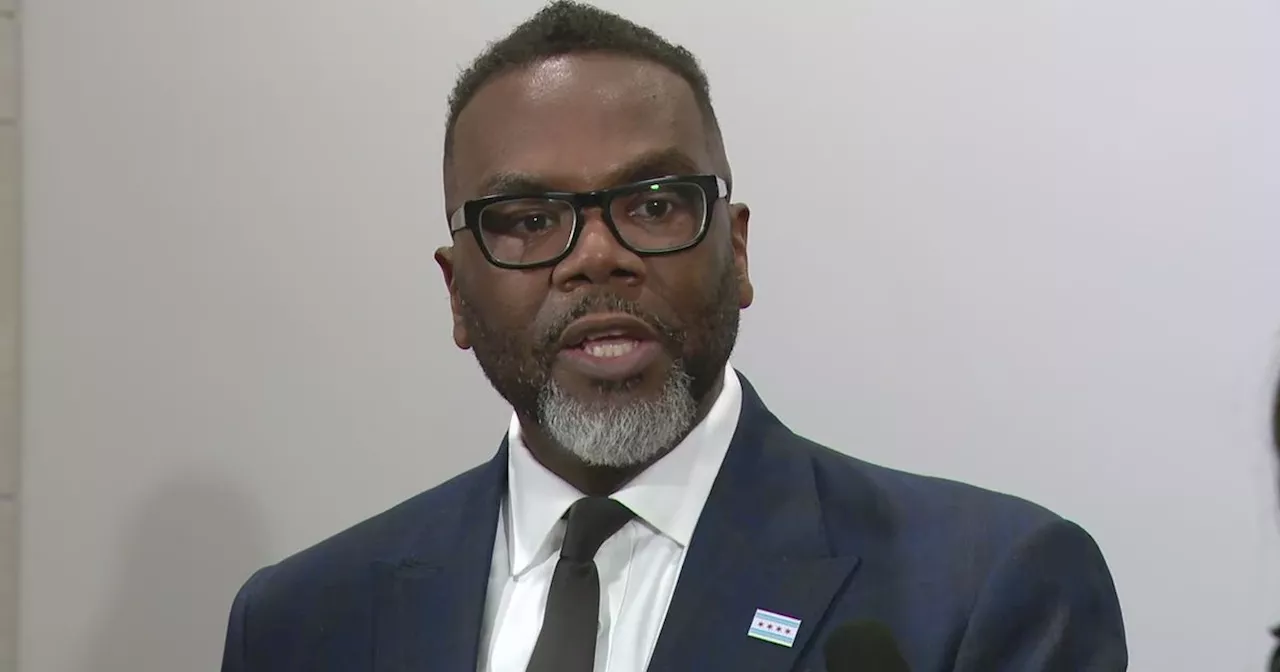
BREAKING: Chicago Mayor Brandon Johnson has just vetoed a highly controversial ban on hemp products, a decision that comes amid urgent appeals from small business owners. This last-minute veto, announced on March 31, 2023, prevents the proposed ordinance from taking effect on April 1, saving numerous businesses from potential closure.
The ban, which aimed to restrict the sale of intoxicating hemp products, faced fierce opposition from local entrepreneurs who warned it would devastate their livelihoods and disproportionately harm minority-owned businesses. “This ordinance is premature,” Johnson stated. “We must align with forthcoming federal guidance rather than act impulsively in a rapidly changing regulatory landscape.”
In his veto, Johnson emphasized the importance of community engagement, highlighting that many small businesses, particularly those owned by Black and brown entrepreneurs, have relied on hemp as an entry point into the market. “We cannot claim to support equitable economic development while advancing policies that concentrate the market in the hands of a few large entities,” he declared.
Members of the hemp industry rallied just days before the veto, including owners of the popular Chi’Tiva Lounge in the South Loop, who described the situation as a “nail-biter.” Chi’Tiva, which serves infused drinks and hosts events like bingo nights, has maintained strict safety standards and self-regulation. Owner Charles Wu warned, “Our entire business would shut down. Employees would be laid off. I can’t just walk away from leases.”
The proposed ban would have restricted hemp sales primarily to licensed cannabis dispensaries and liquor-licensed establishments, effectively sidelining small retailers. This restriction raised alarms among local business owners who argued that it would lead to job losses, reduced tax revenue, and dismantling of community connections built around their establishments.
In support of the veto, Alderman Byron Sigcho Lopez stated, “Time after time, minority business owners get left behind. They are not allowed a fair shot.” The ACLU of Illinois also chimed in, noting the negative impacts of criminalization and highlighting the need for thoughtful regulation rather than outright bans.
Johnson’s statement further addressed public health concerns, stating, “I share the concerns about intoxicating hemp products, especially regarding packaging that may appeal to children. We must implement strict age verification and clear enforcement standards.”
As the city awaits further guidance from federal authorities, Johnson has called for collaboration among city officials, public health experts, and community leaders to develop balanced legislation that safeguards public health while protecting small businesses.
WHAT’S NEXT: With the veto in place, business owners are breathing a sigh of relief but remain cautious amid ongoing uncertainty in the regulatory environment. Stakeholders are expected to engage in discussions to create a responsible regulatory framework that ensures safety without jeopardizing local businesses.
As developments unfold, the Chicago hemp industry continues to advocate for fair policies that support entrepreneurial growth and community well-being. Stay tuned for updates as this story progresses.