UPDATE: The European Union has just announced an indefinite freeze on Russia’s assets in Europe to prevent Hungary and Slovakia from vetoing their use to support Ukraine. This urgent move aims to ensure billions of euros can be redirected to bolster Ukraine’s financial and military needs amid ongoing conflict.
With this significant decision, the EU is blocking approximately €210 billion (about $247 billion) in Russian assets. The freeze is intended to remain in place until Russia ceases its war against Ukraine and compensates for the extensive damage inflicted over the past four years. EU Council President António Costa emphasized, “Today we delivered on that commitment,” referring to earlier pledges made by European leaders.
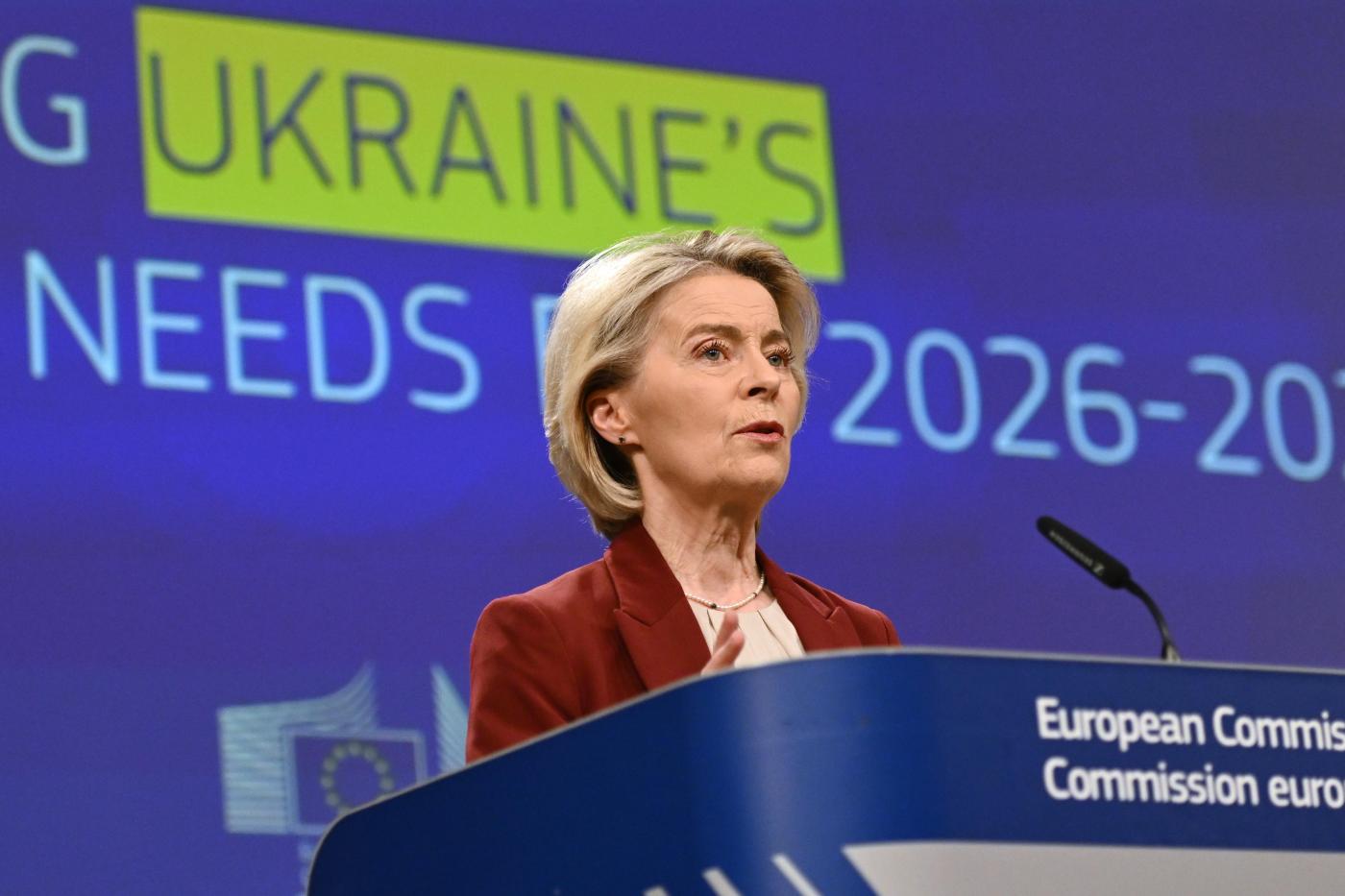
This resolution allows EU leaders to strategize at a summit scheduled for December 18, 2025, on how to utilize these frozen assets to secure a substantial loan for Ukraine. Costa noted the next critical focus is “securing Ukraine’s financial needs for 2026–27.”
The decision also prevents these assets from being used in negotiations to end the war without European approval. A controversial 28-point plan proposed by U.S. and Russian officials to release the funds for joint use was rejected by Ukraine and its European supporters.
Hungarian Prime Minister Viktor Orbán, a staunch ally of Russian President Vladimir Putin, condemned the EU’s actions, claiming they violate European law and threaten the rule of law within the EU. Orbán stated on social media, “The rule of law in the European Union comes to an end,” expressing his intention to fight against what he perceives as a systemic violation of legal norms.
In a letter to Costa, Slovak Prime Minister Robert Fico declared he would oppose any efforts that include financing Ukraine’s military expenses. He warned that using the frozen Russian assets could undermine U.S. peace initiatives, which rely on these resources for Ukraine’s reconstruction.
The EU argues that the ongoing war has severely impacted energy prices and economic growth within Europe. To date, the EU has committed nearly €200 billion (around $235 billion) in support for Ukraine, making it imperative to secure additional funding through the newly frozen assets.
Belgium, where Euroclear—the financial institution holding most of the frozen funds—is based, has expressed reservations about the “reparations loan” plan, citing potential economic and legal risks. The Russian Central Bank has responded by filing a lawsuit against Euroclear for damages due to its inability to manage these assets.
As tensions between the EU and Hungary and Slovakia escalate, the implications of this asset freeze resonate across international borders. The urgent need for financial support for Ukraine remains critical as the conflict continues to unfold, affecting not just the involved nations, but the broader geopolitical landscape.
As this situation develops, all eyes will be on the upcoming EU summit and the potential pathways for utilizing the frozen Russian assets to aid Ukraine’s significant needs in the coming years.