UPDATE: The European Union has just announced a groundbreaking initiative to boost the electric vehicle market. The new “M1E” category will create a distinct class for small electric cars, helping automakers meet emissions targets while promoting sustainability.
This urgent development comes as part of the EU’s “Automotive Package,” which also signals a shift in its approach to combustion engines. While the EU is loosening fleet emissions targets and may allow combustion vehicles beyond 2035, the focus remains firmly on electric vehicles (EVs).
To qualify for the M1E class, vehicles must measure no longer than 4.2 meters (165.3 inches) and be fully electric, manufactured within one of the EU’s 27 member states. This new regulation is expected to simplify legal frameworks for member states, making it easier to incentivize small EVs through subsidies and tax breaks.
Automakers will receive a significant boost through “super credits.” Each M1E-certified vehicle will count as 1.3 towards CO2 compliance, providing a 30 percent advantage in meeting emissions targets. This stability is crucial for manufacturers as they plan for the long term.
The EU aims to freeze requirements for this category for the next 10 years, allowing manufacturers to confidently develop smaller and more affordable electric models. This move is designed not only to encourage local production, safeguarding jobs, but also to fend off competition from global markets, particularly China.
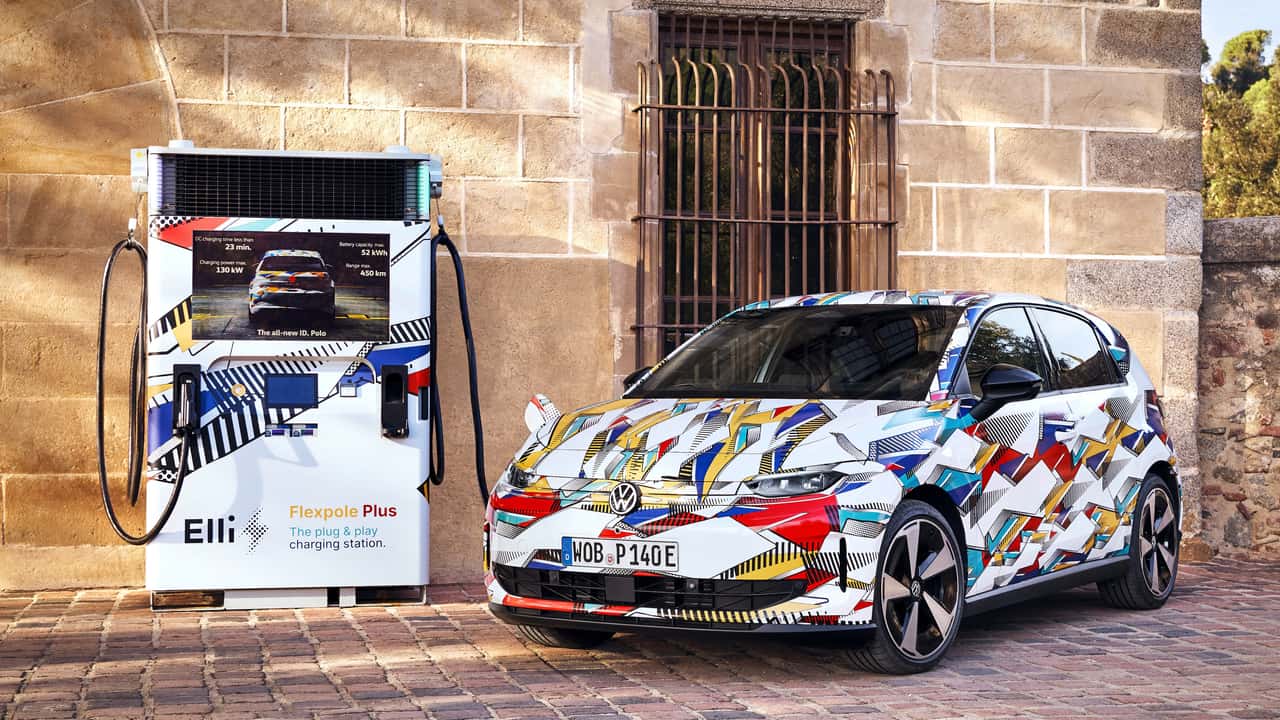
Several current and upcoming models fit the M1E criteria, including the Renault Twingo, Volkswagen ID. Polo, and Kia EV2. However, models like the Hyundai Inster and Mini Cooper do not qualify, as they are manufactured outside the EU.
While the EU is easing restrictions on combustion engines, the M1E category indirectly supports their continued sale. By earning super credits, automakers can offset CO2 emissions from combustion vehicles, potentially allowing them to remain on the market longer.
The EU requires a 90 percent reduction in CO2 emissions by 2035, with remaining emissions offset by low-carbon alternatives. Moreover, the EU is permitting manufacturers to “bank and borrow” emissions credits over three years, easing compliance with upcoming stricter targets.
According to the latest data from the European Automobile Manufacturers’ Association (ACEA), the share of fully electric vehicles in new car sales has risen to 16.4 percent in the EU during the first ten months of the year. When including Iceland, Liechtenstein, Norway, Switzerland, and the UK, that figure jumps to 18.3 percent.
These measures represent a significant step toward a greener future, aligning with the EU’s commitment to electric mobility. As the automotive industry adapts to these changes, the M1E category is expected to not only foster innovation but also improve public access to sustainable transportation options.
Stay tuned for more updates as the situation develops, and watch for the impact this initiative will have on the EV market in the coming months.