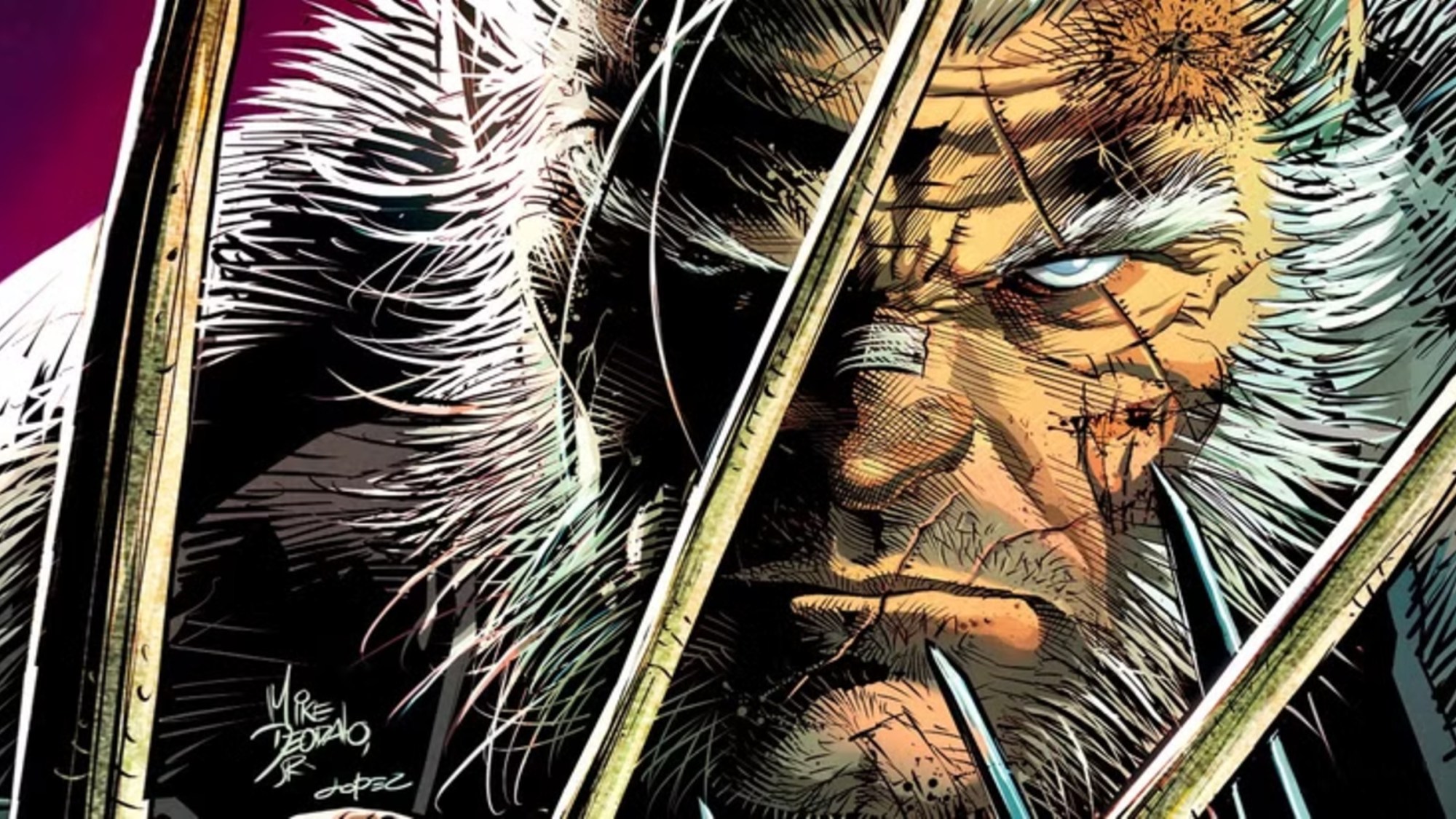
The 2010s marked a pivotal decade for Wolverine, a character who has evolved dramatically since his introduction in the 1980s. By the end of the 2010s, Wolverine had solidified his status as one of Marvel’s most iconic heroes, appearing in various team and solo comic series. While not every storyline received critical acclaim, several key moments stood out, ultimately shaping the character’s legacy during this era.
Laura Takes Up the Mantle
One of the most significant developments was the transformation of Laura, also known as X-23, who assumed the Wolverine mantle. Initially introduced in the 2000s, Laura’s journey from a secondary character to a leading figure culminated in the series Wolverines. Although the series did not achieve critical success, it culminated in her becoming the new Wolverine. Following this transition, Laura starred in her own solo series, donning a version of Logan’s iconic yellow and blue costume. Her popularity soared, and when Logan returned, she retained the Wolverine name, adding a fresh dynamic to the character’s legacy.
Paul Cornell’s Impactful Run
Another notable highlight was Paul Cornell‘s run on Wolverine (Vol. 5) and (Vol. 6) from 2010 to 2012. During this period, Wolverine faced the loss of his healing factor, introducing a new layer of vulnerability to the character. Cornell’s storytelling captured the essence of Wolverine’s desperation and resilience. His narrative also paved the way for an intricate storyline involving Wolverine and Sabretooth, showcasing the complexity of their long-standing rivalry.
The stakes escalated further with Uncanny X-Force, where Wolverine led a covert team of mutants, adding depth to his character. This series redefined Wolverine’s leadership role, presenting a darker, more complex side of heroism. The intricate plotlines weaved through the series highlighted Wolverine’s history with the Weapon Plus program and culminated in a dramatic confrontation with his son, Daken, who sought to assemble a new Brotherhood of Mutants.
Wolverine and the X-Men: A New Direction
Following the events of X-Men: Schism, which divided the mutant community into factions led by Wolverine and Cyclops, Wolverine established a new mutant school. The series Wolverine and the X-Men, penned by Jason Aaron, emphasized a more optimistic vision for the X-Men universe. Rather than focusing on the struggles facing mutants, the narrative embraced a lighter tone, showcasing Wolverine as an educator. The series became a fan favorite, featuring memorable antagonists like the Hellfire Club’s Inner Circle, and is often regarded as one of the best X-Men stories of all time.
Old Man Logan’s Return
The decade also saw the revival of the beloved Old Man Logan character. Following Wolverine’s death at the end of 2014, the Secret Wars event reintroduced this alternate version of Logan to the main Marvel Universe. The subsequent series, Old Man Logan (Vol. 2), written by Jeff Lemire, explored themes of redemption and the burden of past sins. The first 24 issues, illustrated by Andrea Sorrentino, garnered critical acclaim for their storytelling and artistic direction. Although the latter part of the series, written by Ed Brisson, did not reach the same heights, it still delivered compelling narratives that resonated with long-time fans.
The 2010s were a dynamic period for Wolverine, filled with memorable moments that showcased his evolution within the Marvel Comics universe. Whether through the introduction of new characters, impactful storytelling, or significant character developments, these moments have left an indelible mark on the legacy of Wolverine. As fans continue to debate their favorite moments from this era, the impact of Wolverine’s journey in the 2010s remains undeniable.