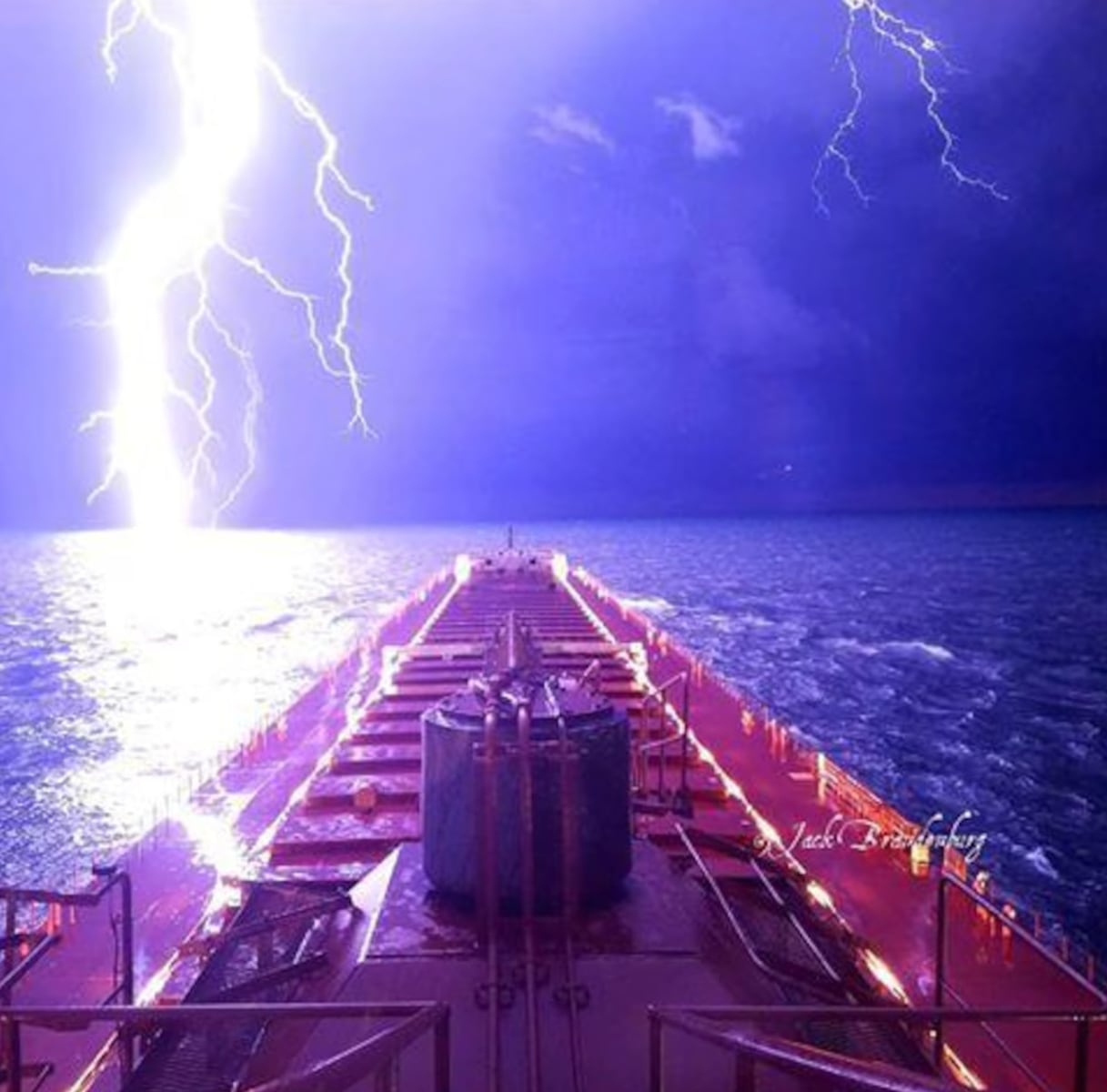
URGENT UPDATE: The National Lightning Detection Network (NLDN) reports a staggering 100,000 lightning strikes recorded in Michigan in 2025, with some counties experiencing double the usual frequency. This unprecedented surge in lightning activity has raised concerns and captured the attention of meteorologists and residents alike.
According to the NLDN, owned by Vaisala Xweather, the data indicates that several counties, including Shiawassee, Genesee, and Lapeer, were at the epicenter of this extraordinary lightning phenomenon. Local officials and meteorologists are urging residents to remain vigilant as the weather continues to be unpredictable.
Shiawassee County emerged as the lightning capital of Michigan, with the highest concentration of strikes, particularly in the areas around Flint, Lapeer, and Saginaw. Remarkably, Ogemaw County, typically not known for high lightning activity, also recorded significant flashes, contributing to this year’s unusual statistics.
NLDN has classified lightning events into two categories: cloud-to-ground strikes and intracloud flashes. While both can be dangerous, cloud-to-ground strikes pose the greatest threat to public safety. The data shows that the counties of Lapeer, Ogemaw, Cheboygan, Presque Isle, and Leelanau experienced double the normal number of cloud-to-ground strikes in 2025, raising alarms about potential hazards for residents and properties.
The striking data reveals that areas like Grand Rapids, Ann Arbor, and Detroit saw a notable decrease in lightning occurrences compared to previous years. This disparity underscores the localized nature of storm activity and emphasizes how certain regions within Michigan are more prone to severe weather events.
Meteorologists are currently analyzing the factors contributing to this spike in lightning strikes. The axis of thunderstorms that swept through central Michigan has been a focal point for research, as the impact of climate patterns and atmospheric conditions continues to evolve.
Residents are encouraged to stay informed about weather alerts and take necessary precautions during thunderstorms. The NLDN’s findings serve as a reminder of the power of nature and the importance of safety measures during severe weather events.
As we move further into 2025, experts will continue to monitor lightning activity across Michigan. Keep an eye on updates from the NLDN and local meteorological services for the latest developments.
Stay safe and share this vital information with family and friends to raise awareness about the increasing lightning threat in Michigan.