BREAKING: A neo-Nazi fugitive has just applied to change their gender status to non-binary after failing to report to a women’s prison in Chemnitz, Germany. Marla-Svenja Liebich, previously known as Sven, submitted this request while evading authorities, raising alarms about potential misuse of Germany’s new gender self-determination law.
Liebich was sentenced to 18 months in prison in July 2023 for crimes including inciting hatred and promoting extremist ideologies. This latest move comes just after Liebich, who was previously registered as female, declared that being a woman no longer feels right due to public backlash. In a statement to Euronews, Liebich expressed, “I really do have doubts about my gender identity; the harassment makes me feel neither like a fully fledged woman nor a man.”
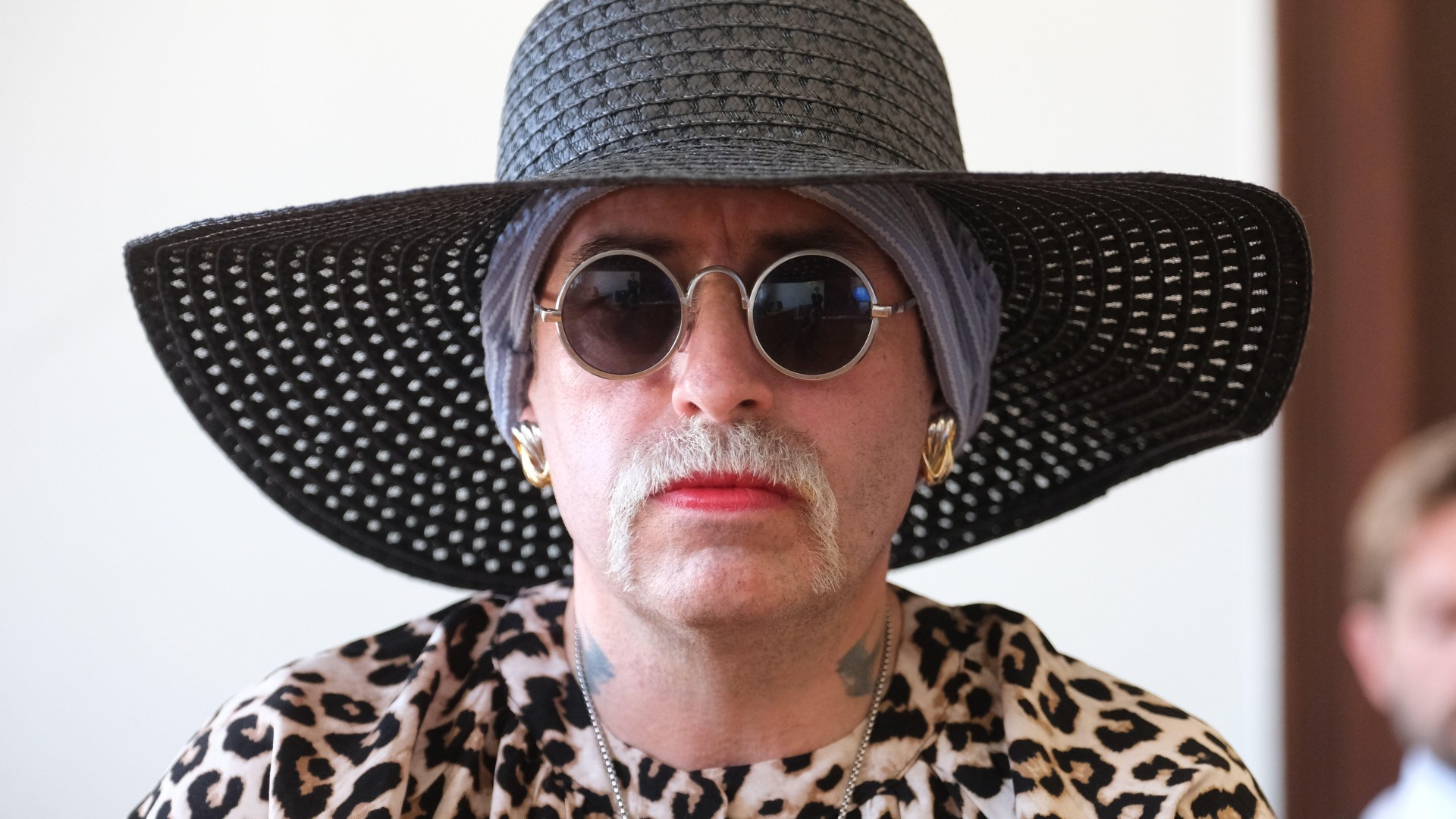
Authorities are deeply concerned as Liebich, a member of the banned neo-Nazi group Blood and Honour, has been a prominent figure in far-right rallies and has a documented history of extremist behavior. After requesting to transition in late 2024, Liebich attended court appearing in feminine attire, but kept a moustache, further complicating the perception of this gender change.
Despite being ordered to report to Chemnitz women’s prison, Liebich failed to appear and instead posted a message on social media saying “love from Moscow.” Now, while still on the run, Liebich argues that attending a registry office to formalize the gender change would lead to immediate arrest, thus violating personal rights. An official supervisory complaint has been lodged on this basis.
This situation has ignited fierce debate surrounding Germany’s recent legal reforms that simplify gender changes. Introduced in 2023, these laws allow individuals to change their registered gender with just a signature, dropping previous requirements for medical approval. Critics point out that this reform, aimed at supporting transgender and non-binary individuals, could be exploited by offenders like Liebich.
Liebich’s case exemplifies the potential pitfalls of these reforms, as they were designed to protect marginalized communities but may inadvertently benefit those with extremist views. Furthermore, Liebich has a history of derogatory remarks against the LGBTQ community, including inflammatory statements during Pride month.
With the case now attracting international media attention, many are questioning the implications of gender identity laws in Germany and their potential misuse. As Liebich navigates this complex legal terrain while remaining a fugitive, the public and legal authorities are left grappling with the ramifications of this unprecedented situation.
The next steps in this developing story will be closely monitored as authorities continue to pursue Liebich. This incident highlights urgent issues surrounding gender identity legislation and its impact on public safety and societal norms.