UPDATE: A wave of modern horror reboots is capturing audiences, proving that fresh adaptations can rival their iconic originals. With new filmmaking techniques and contemporary themes, these films transform classic horror into gripping experiences for today’s viewers.
Developing now: The horror genre sees a revitalization as these reboots not only respect their source material but also deliver innovative storytelling that resonates with current cultural fears. From the intense survival tactics in Prey to the psychological depth of It, these films redefine what horror can be.
Prey stands out as a game-changer. Set in 1719, this reboot of the Predator franchise strips the story down to its core, presenting the creature as a near-mythical force. The film emphasizes intelligence and survival over action, showcasing protagonist Naru, played by Amber Midthunder, who outsmarts her enemy rather than overpowering them. Critics hail it as a significant evolution of the franchise.
Meanwhile, Dawn of the Dead remains a benchmark in horror remakes. Its high-octane opening and introduction of fast zombies create a frantic tone that redefines the zombie genre. This 2004 remake modernized horror for a new generation, influencing countless subsequent films and shows.
The latest entry in the Evil Dead series, Evil Dead Rise, diverges from its predecessors by offering a new story within the same terrifying universe. Its setting in a cramped apartment building amplifies tension, while Alyssa Sutherland’s portrayal of a possessed mother adds emotional stakes that resonate deeply with audiences. This film has revitalized the franchise, proving that horror can evolve without losing its chilling essence.
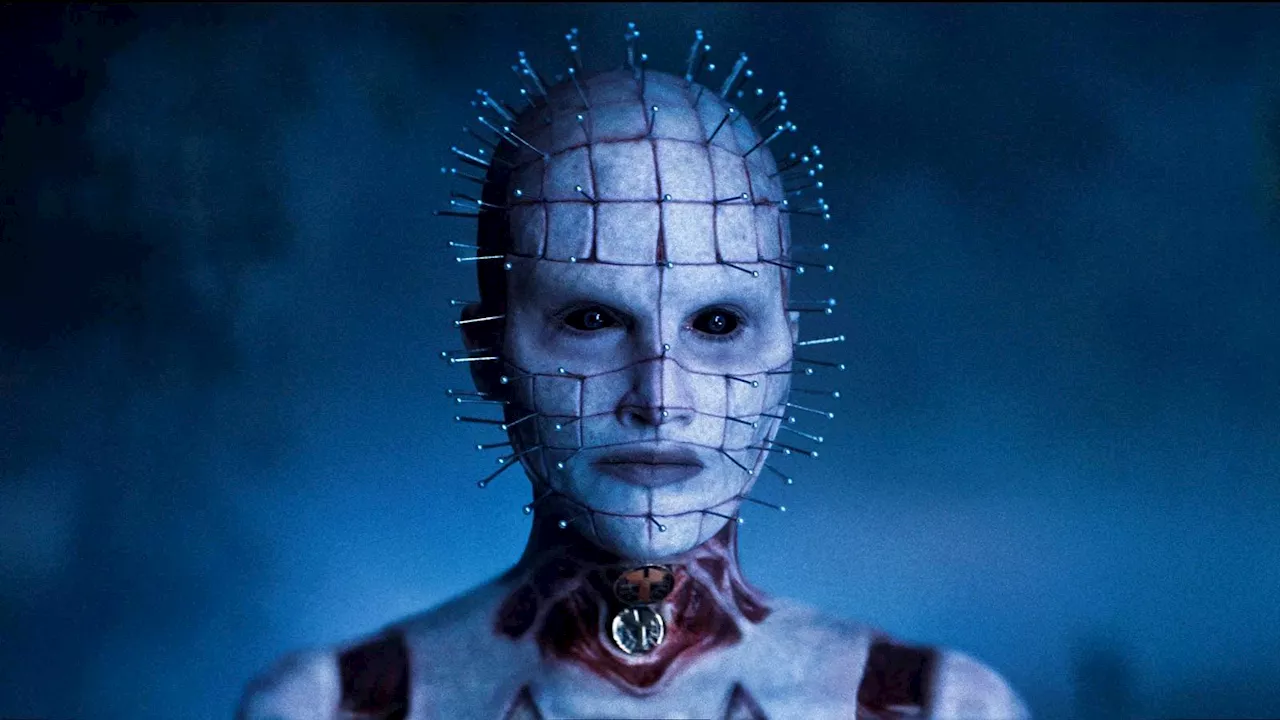
The Hellraiser reboot finally gives the franchise the respect it deserves. By focusing on desire and consequence, it reestablishes the Cenobites’ thematic importance. Jamie Clayton’s chilling performance as Pinhead captures the character’s eerie authority, making it a thoughtful reimagining that enhances the franchise’s mythology.
The Texas Chainsaw Massacre also thrives by telling a new story within its brutal universe. This approach allows it to maintain its identity while emphasizing the raw brutality that defines the franchise. Critics note its effectiveness as one of the strongest modern interpretations.
In The Crazies, the remake captures the essence of George A. Romero’s original while utilizing modern effects to enhance terror. The chilling depiction of a small town’s collapse feels more immediate, blending chaos with intimate character-driven horror.
The 2017 adaptation of It faced high expectations but delivered by leaning into atmosphere and psychological terror. Bill Skarsgård’s performance as Pennywise offers a terrifying experience that resonates with audiences, proving to be a definitive adaptation of Stephen King’s classic.
The Saw franchise is revitalized with Saw X, returning to its roots by centering on John Kramer’s moral code. This installment emphasizes emotional stakes, moving away from disjointed trap sequences to create a more cohesive narrative that appeals to fans.
Finally, Halloween (2018) exemplifies a successful legacy reboot. By focusing on Laurie Strode’s trauma and reimagining her character, it creates a powerful continuation of John Carpenter’s original film. Jamie Lee Curtis delivers a performance that adds depth to the horror, making Michael Myers terrifying once again.
These reboots not only demonstrate the enduring appeal of horror but also highlight the genre’s capacity for reinvention. As audiences crave fresh interpretations, these films provide both nostalgia and new thrills, ensuring their place in contemporary cinema.
What to watch for: As more horror reboots emerge, fans can expect a blend of innovation and reverence that keeps the genre alive and evolving. This trend signals that with the right approach, even the most beloved classics can find new life on screen.