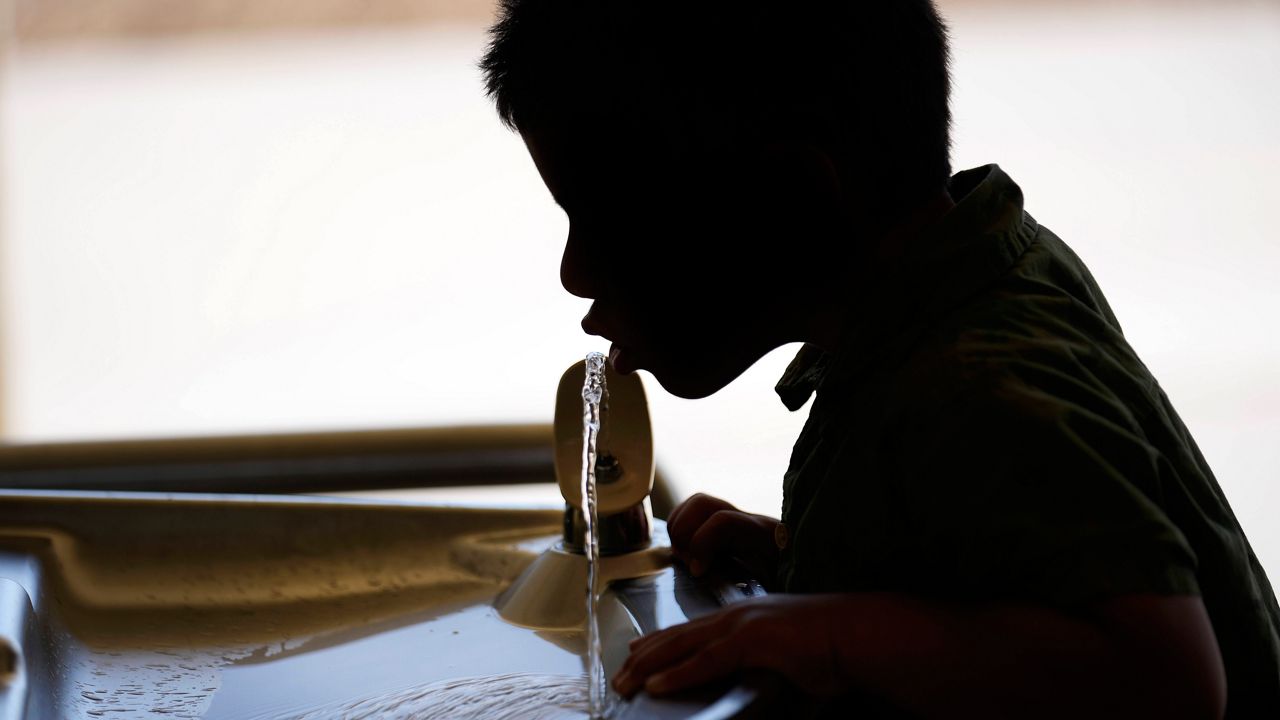
UPDATE: New reports confirm alarming levels of lead in drinking water across New York schools, prompting urgent action from district officials. Following a recent round of testing, several districts, including Jamestown, have found samples exceeding the newly tightened threshold of 5 parts per billion, down from 15 parts per billion in 2022.
Authorities report that 90% of tested districts remain within safe limits, but the findings have led districts like Jamestown to immediately shut down affected water fixtures, displaying clear signage to warn students and staff. “We need to ensure compliance with regulations to keep our kids as safe as possible against lead,” stated Dr. Kevin Whitaker, superintendent of Jamestown Public Schools.
The New York State Department of Health has emphasized the importance of this initiative as older infrastructure poses a greater risk. “Schools constructed decades ago often have plumbing that contributes to lead contamination,” Dr. Whitaker added, highlighting the structural challenges faced by many districts.
Pediatricians are voicing concerns about the potential health impacts of lead exposure in children. “No amount of lead is safe in the human body. Early detection is crucial to prevent learning difficulties,” warned Dr. Tariq Khan of Southern Tier Pediatrics. The urgency of addressing these issues is underscored by the potential for long-term developmental effects in affected children.
District leaders are actively collaborating with health authorities to access resources for remediation, although they face the challenge of funding these efforts independently. “While we aim for zero lead exposure, we have made tremendous strides in reducing levels,” Dr. Whitaker stated.
Families are urged to remain vigilant. If there are concerns regarding lead exposure, parents should contact their child’s doctor immediately. Experts note that while lead in drinking water is a significant concern, lead paint exposure—particularly in homes built before 1978—presents an even greater risk.
As the situation develops, ongoing monitoring and proactive measures will be essential in safeguarding the health of students across New York. Stay tuned for further updates on this urgent public health issue.