UPDATE: An alarming trend is emerging in New York as more retirees are unretiring due to escalating financial pressures. According to a new report from the American Association of Retired Persons (AARP), approximately 7% of retirees have reentered the workforce in the last six months, up from 6% earlier this year.
The rise in living costs and unstable investments is compelling many older New Yorkers to reconsider their retirement plans. With an estimated 38 million people aged 55 and older actively participating in the workforce, the urgency of this situation cannot be overstated.
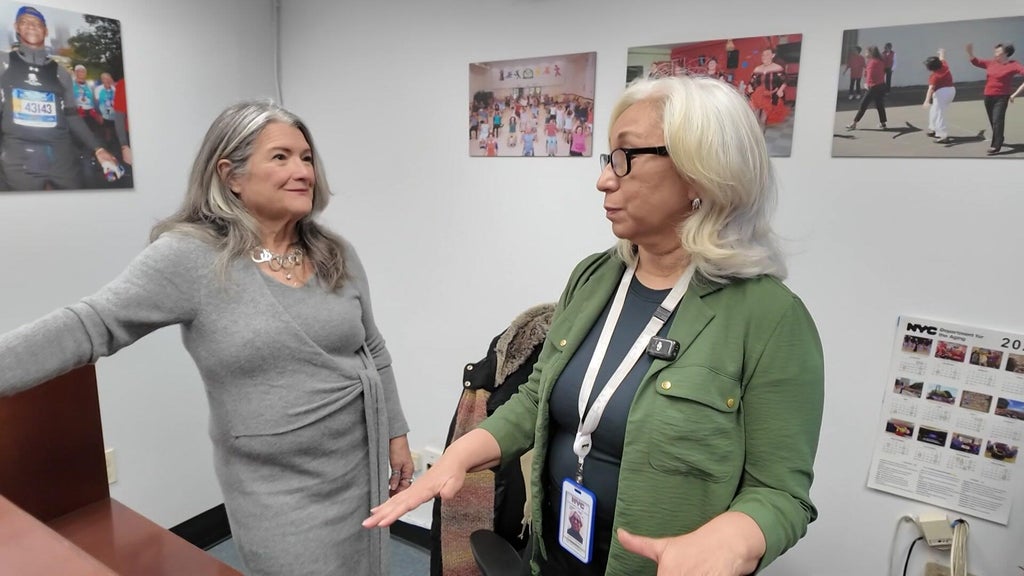
Maria Fischer, a former social worker turned airline employee at LaGuardia Airport, is one of many feeling the strain. After facing unemployment during the COVID-19 pandemic, she sought help from the Silver Star Program at the New York City Department for the Aging. “I was searching for a job and nobody called me, and I thought maybe nobody calls me because of my age,” Fischer shared. With newfound skills in computer literacy and customer service, she is now employed as a special projects coordinator.
Commissioner Lorraine Cortez-Vasquez highlighted that financial stress is a significant factor driving older residents back to work. “Your 401(k) might not be as robust as you had planned,” she remarked, emphasizing the evolving workforce dynamics.
In a recent survey, 48% of those returning to work cited financial necessity as their primary reason. Fischer expressed her determination, stating, “I need the money. Of course, everybody needs the money. I need to do something. I need to be active.” Her situation reflects a growing sentiment among retirees who feel compelled to stay engaged in the workforce.
Officials are urging older New Yorkers to leverage available resources. The best opportunities currently lie in sectors such as health care, government, and retail. “You may have been a teacher. But now you want to work in a museum or now you want to work in the city store,” Cortez-Vasquez advised.
Carly Roszkowski, AARP’s vice president of financial resilience programming, encourages job seekers to tap into their extensive networks and communicate their job search actively. “Just stay positive,” Roszkowski said, noting the importance of maintaining motivation and health during this transition.
The trend of unretirement is expected to continue into 2026, as financial uncertainty looms. As more older workers rejoin the labor force, the implications on their well-being and the economy could be profound. For those considering this path, immediate action and resource utilization are crucial.
Stay tuned for further updates as this situation develops. The urgency of addressing financial stability for older Americans has never been clearer.