UPDATE: A pivotal proposal to provide free breakfast and lunch to all K-12 students in North Dakota has just received a narrow recommendation from the Joint Appropriations Committee, setting the stage for an urgent vote on the House and Senate floors. This critical initiative comes as the Legislature is in a special session primarily to allocate $199 million in federal rural health care funding.
The urgency surrounding this bill is palpable, as lawmakers aim to address the growing need for accessible meals amid rising costs of living. Two key bills are on the table: House Bill 1624, which seeks to make school meals universal for all public school students, and House Bill 1627, designed to expand eligibility for an existing program for free or reduced-price meals.
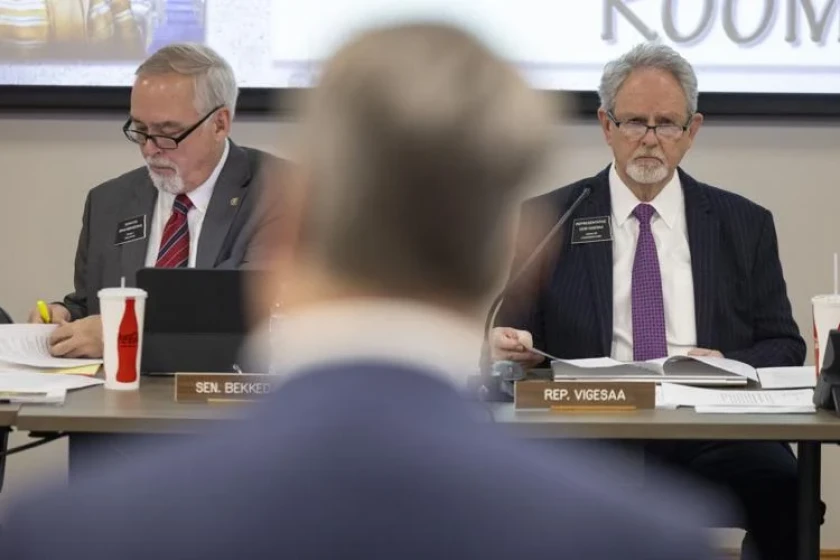
Just moments ago, the committee vote showcased a strong desire for change, with House members approving HB 1624 by a vote of 17-5-1 and the Senate narrowly supporting it 8-7-1. This development comes after initial hesitations among senators, necessitating a second vote when technical issues prevented remote participation.
Polls reveal widespread support for the initiative, with 79% of North Dakotans backing free school meals, according to Nick Archuleta, President of North Dakota United. Furthermore, 82% of respondents in a recent poll advocate for a more significant state role in providing meals to schoolchildren. Currently, nine other states have implemented universal school meal programs.
Despite this support, concerns persist among lawmakers about the financial implications of universal meals. The projected cost for implementing HB 1624 is $65 million for the 2026-27 school year, sourced from the Strategic Investment and Improvement Fund, which relies on taxes from the oil and gas industry.
During the committee discussions, lawmakers voiced apprehensions about the potential budgetary strain if the program is mandated constitutionally. “If we’re constitutionally mandated to spend, we are not going to have any ability to work this program,” stated Mike Nathe, the bill’s sponsor. He emphasized the need for flexibility in funding, contrasting it with the inflexibility of a constitutional amendment.
Additionally, Ty Dressler, who introduced HB 1627, seeks to expand access by raising the income eligibility threshold for free or reduced-price meals from 225% to 300% of the federal poverty line, impacting families earning up to approximately $96,000 for a family of four.
The push for universal meals is partly fueled by community concerns over lunch debt, which remains a significant issue despite existing meal programs. Schools cannot deny meals to students based on payment ability, yet many face challenges due to outstanding lunch debts.
The Together for School Meals advocacy group is also mobilizing support for a ballot measure that would constitutionally mandate free meals in all public schools. This measure is expected to gain traction, given the current legislative climate.
As this urgent situation unfolds, lawmakers are aware that a vote on these bills could significantly affect the future of school nutrition in North Dakota. With the state grappling with an affordability crisis, advocates assert that universal meals can provide immediate relief to families across the state.
Lawmakers will continue to deliberate on these critical measures, and the outcome could reshape the landscape for school meals in North Dakota. Stay tuned for live updates as the situation develops and the vote approaches.