UPDATE: Organized crime is rapidly transforming the political landscape of Latin America, with a significant shift toward right-wing governments in 2025. This alarming trend follows nearly two decades of relative stability, as new reports confirm that violence and illicit activities are surging across the region.
According to the Global Initiative Against Transnational Organized Crime, a staggering 39 organized crime groups are now operating throughout Latin America, adapting to become more sophisticated and interconnected. These criminal networks are no longer limited to drug trafficking; they have diversified into extortion, human trafficking, and arms smuggling, which has increased their territorial control and conflicts.
Hugo Contreras, an expert on organized crime from the Universidad del Desarrollo, highlights that these groups have exploited systemic weaknesses in government institutions. “Organized groups stopped being just traffickers,” Contreras stated. “They have multiplied their sources of illicit income and territorial disputes.”
The impact of this crime wave is felt acutely, with countries like Mexico, Ecuador, Brazil, and Haiti now ranked among the world’s most dangerous, according to the Armed Conflict Location and Event Data Project (ACLED). In 2025, the homicide rates in these nations are projected to reach record highs, particularly in Ecuador, where gang-related violence has already caused over 3,600 deaths.
The situation in Mexico has escalated dramatically following the arrest of notorious cartel leader Ismael “El Mayo” Zambada in July 2024, leading to an internal war within the Sinaloa cartel. Meanwhile, in Haiti, gangs are expanding their reach amid ongoing political instability, while Brazilian criminal organizations engage in violent turf wars in cities like Rio de Janeiro.
The rise of organized crime has not only heightened violence but has also driven a political pivot towards conservatism across the region. At least 10 countries have elected right-wing governments between 2024 and 2025, with these leaders focusing heavily on public order and aggressive crime-fighting strategies.
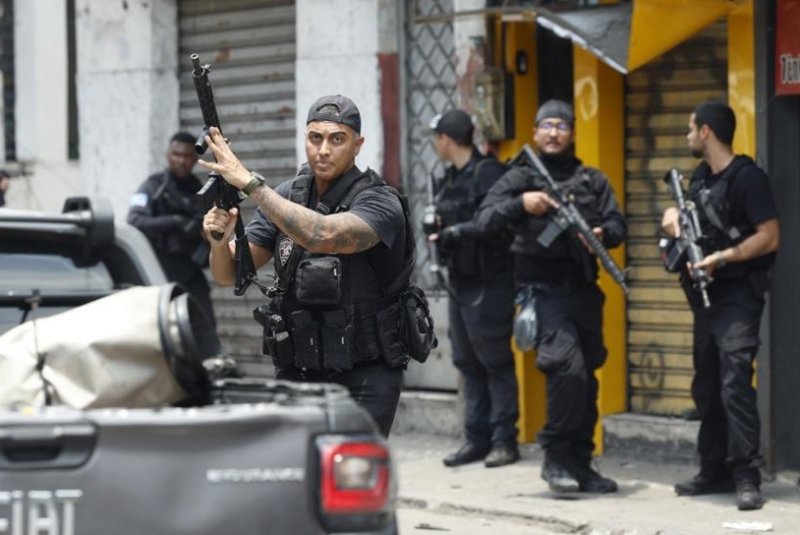
Pablo Carvacho, a researcher at the Pontifical Catholic University of Chile, notes that these governments often resort to emergency measures, intensifying the use of police and military forces. “Containing transnational organized crime requires coordination among countries,” Carvacho emphasized. Simply relying on emergency policies won’t suffice.
The urgency of this situation cannot be overstated. As violence escalates, the need for comprehensive and collaborative strategies becomes paramount. Experts argue that addressing the root causes—vulnerability, lack of opportunities, and social exclusion—is crucial. “Everything else is treating the symptoms of a disease,” Carvacho warns.
As Latin America grapples with this unprecedented crisis, the implications for security, governance, and social stability are profound. Citizens across the region are watching closely as governments struggle to reclaim control and restore peace.
This story is developing, and further updates will be vital as authorities respond to the evolving threat posed by organized crime.