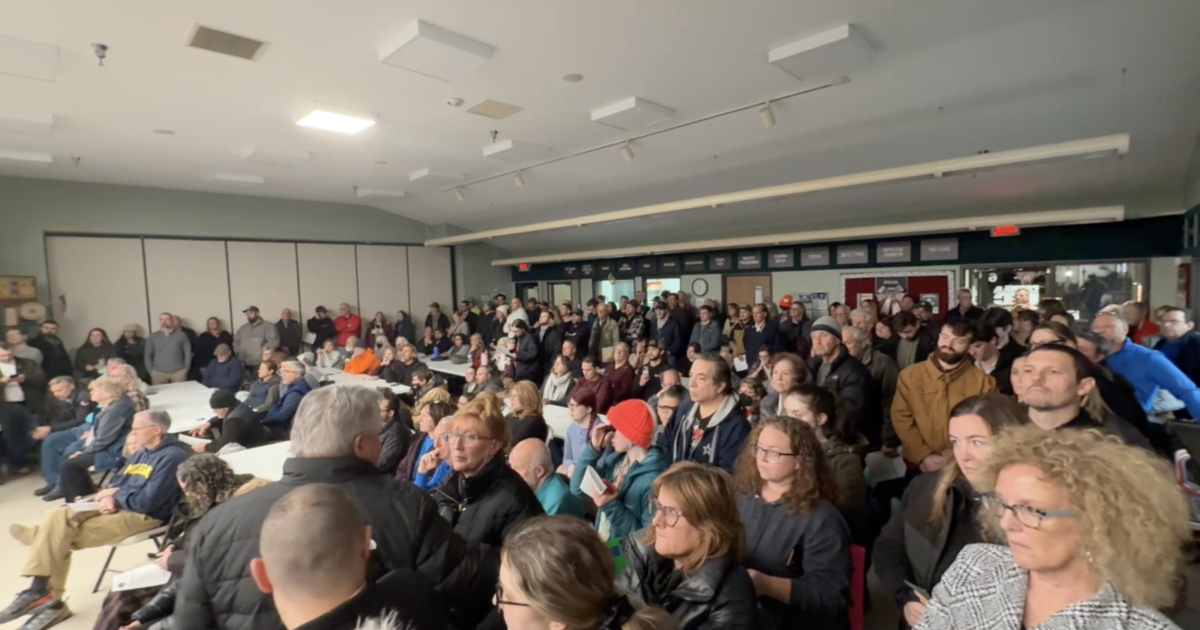
BREAKING: Hundreds of Washington Township residents are actively opposing a major data center proposal that could reshape 312 acres of land into the “32 Mile Technical Campus.” The urgent zoning meeting packed township hall on Thursday night, as voices echoed against the development that seeks to convert agricultural residential land into industrial research technology.
Prologis, a California-based real estate company, is behind this contentious project, citing Michigan’s tax incentives and the explosive growth of artificial intelligence as key motivators for their interest. The land in question is located south of 32 Mile Road and east of M-53.
Residents expressed their concerns passionately during the standing-room-only meeting. “When you don’t know what they’re going to do with the land, then we get handcuffed,” one resident remarked. Environmental worries dominated the discussion, highlighting fears over energy consumption and resource management related to the proposed data center.
“This is going to be a huge energy drain. So my concern is how are they going to manage that?” questioned resident James Eridon, emphasizing the potential impact on local resources. Another attendee, Jacob Newby, raised questions regarding the project’s water usage, asking, “Are they planning to use the well water to cool the systems down or village water?”
Terry Templin, a nearby resident, acknowledged the need for technological advancement but voiced his apprehensions about the project’s proximity to his home. “If it affects lives, people are going to be upset about that and I’m close enough to where it’s going to affect me,” he stated.
The Washington Township planning commission did not make a recommendation on the rezoning request during the meeting, which has led to heightened tensions among residents. The township plans to reconvene in early January 2024 to continue discussions.
In response to community concerns, township officials released statements indicating that the project would not require groundwater and would not raise water or sewer rates. However, Templin conveyed the sentiment of frustration felt by many: “There’s no stopping this; that’s the problem. There’s no stopping this growth.”
As the community awaits the next planning commission meeting, residents remain vigilant and concerned about the implications of the proposed data center. The urgency of their voices reflects the immediate impact this development could have on their lives and the environment.
Residents are encouraged to stay informed and engaged as discussions progress, and many are likely to continue voicing their opposition to this significant change in their community. The outcome of these deliberations could set a precedent for future developments in the area, making it crucial for local voices to be heard.